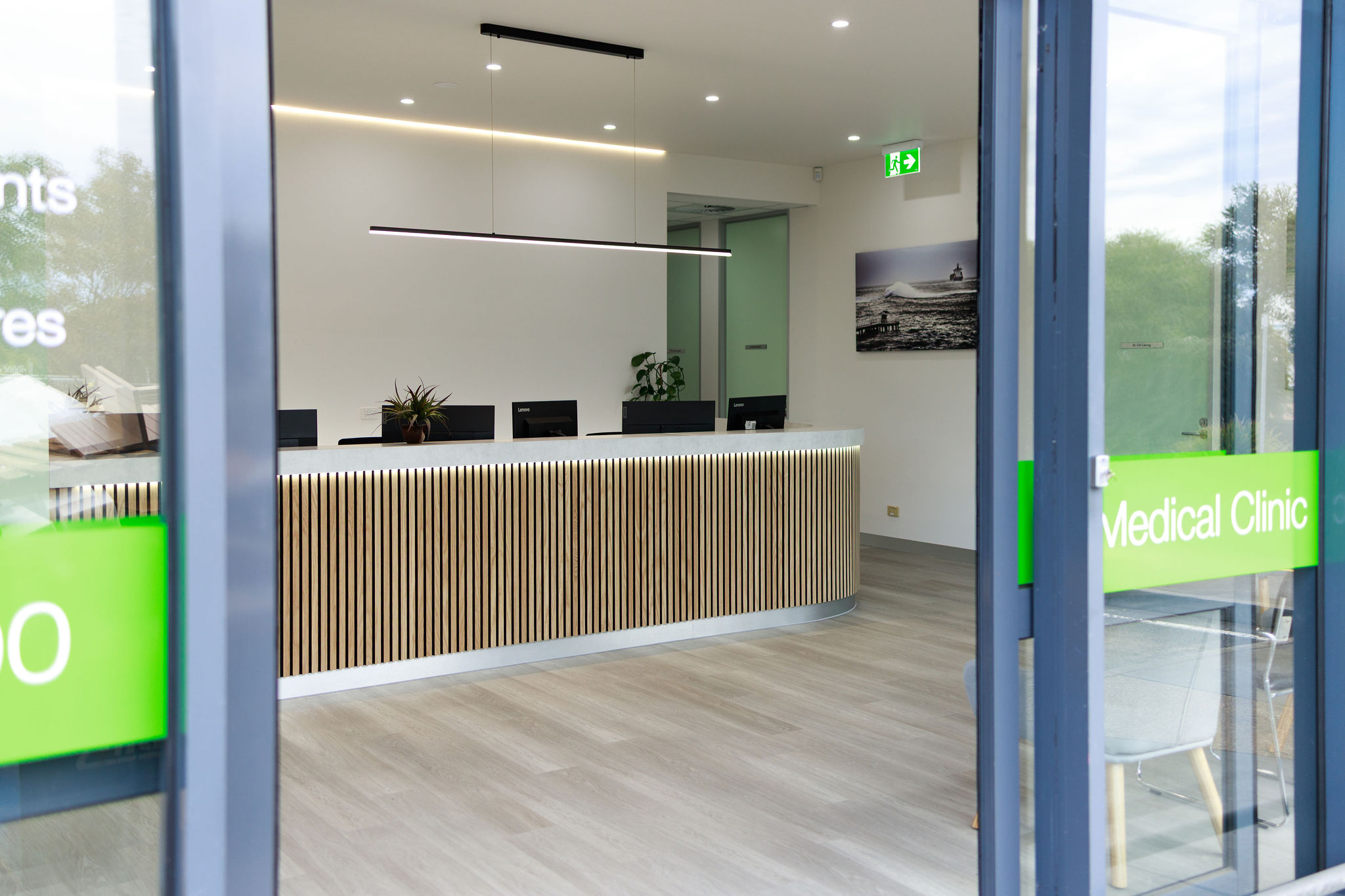
Not every healthcare design trend announces itself loudly.
Some of the most meaningful shifts are actually moving away from louder design language: fewer feature-heavy gestures, less visual clutter, more disciplined storage, calmer material palettes and details that still look trustworthy after the first burst of novelty has passed.
This trend is worth noticing because it speaks directly to how clinics are experienced over time.
A feature-first fitout may photograph well at handover. But if the finishes age quickly, clutter builds visibly, lighting feels harsher in daily use or the room begins to look busy once clinical life moves in, the early visual impact fades fast. Trust is built more quietly than that.
That is why more healthcare spaces are shifting toward restraint.
Calm Materials Are Not the Same as Bland Materials
One concern people sometimes raise is that quieter healthcare interiors might feel too plain.
That only becomes true when the project confuses restraint with indifference. A calm material palette can still feel refined, warm and memorable. The difference is that the room is not relying on one dramatic feature to carry the whole identity of the space.
Instead, the fitout builds trust through:
- durable surfaces that age well
- softer tonal balance
- considered timber or texture where appropriate
- reduced visual noise
- lighting that supports comfort as well as visibility
- joinery that feels integrated rather than added on
This is a more mature version of premium in healthcare. It feels composed rather than performative.
Concealed Storage Is Quietly Changing the Look of Clinics
One of the strongest reasons this trend matters is storage.
Operational clutter can undo a carefully designed room very quickly. Loose items on counters, overflow supplies, visible consumables, charging cables, paperwork and half-temporary solutions all change how calm and capable the clinic feels.
That is why concealed storage is becoming more important. It helps the room stay visually stable even when the work inside it is busy. It also gives staff a better chance to maintain order without constant extra effort.
This is not about hiding the reality of care. It is about supporting it more intelligently.
When joinery is planned around actual use, the room feels clearer for patients and easier to manage for staff.
Durability Is Becoming More Visible as a Design Value
Another reason quieter materials are gaining ground is that clinic owners have become more aware of how quickly some interiors date.
Surfaces that are too fashion-led, too precious or too hard to maintain can create frustration later. What looked current at handover may feel tired much sooner than expected. In a healthcare environment, that visual fatigue can undermine the sense of professionalism and trust the clinic wants to project.
Quieter, more durable choices often perform better because they are less dependent on trend cycles and more connected to the working life of the clinic.
That might mean:
- finishes that tolerate frequent cleaning well
- materials that still feel warm without looking fragile
- details that reduce visible wear points
- lighting balance that avoids glare and clinical harshness
- joinery edges and transitions that stay composed under daily use
These decisions are not flashy. They are long-term decisions.
Lighting Balance Is Part of the Trend Too
Material calm is closely tied to lighting.
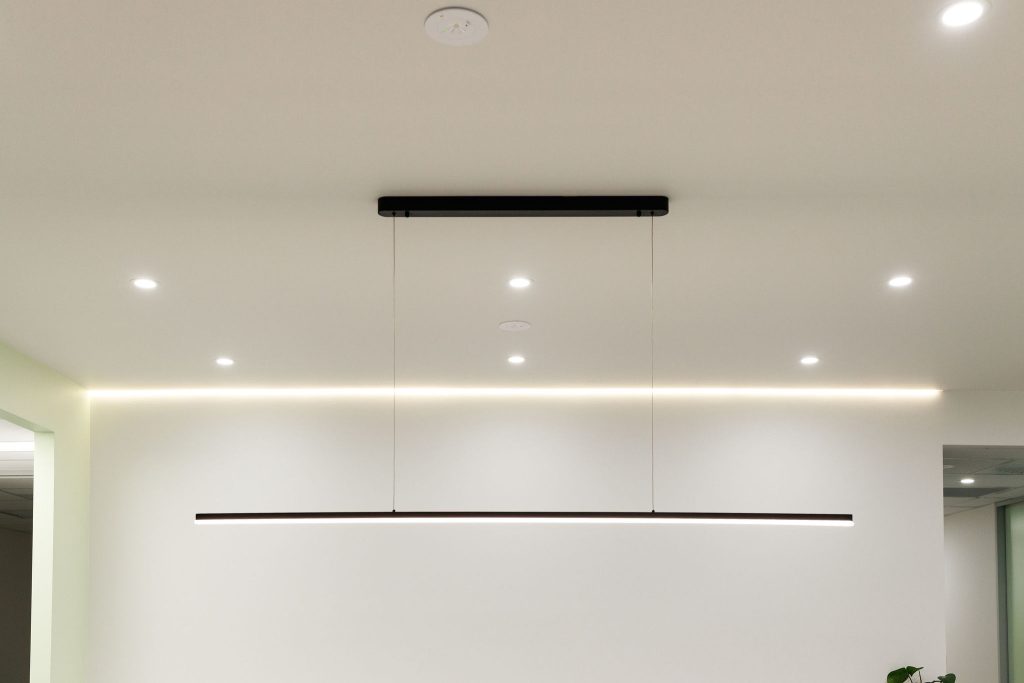
A thoughtful clinic palette can still feel hard if the lighting is too stark or uneven. Likewise, a restrained material approach often feels more resolved when lighting supports wayfinding, comfort and natural depth rather than flattening the whole room.
This is why quiet-material design is not just a finishes conversation. It is a whole-room coordination issue. Palette, joinery, storage and lighting need to support one another.
When they do, the clinic feels settled instead of styled.
Patients Read Order Faster Than They Read Design Theory
Most patients will never describe a room in design language. They are more likely to read it instinctively.
Does it feel clean but not cold? Organised but not rigid? Considered but not showy? Private? Calm? Trustworthy?
Those judgments happen quickly. Quiet materials and better concealed storage help because they reduce the visual interruptions that make a clinic feel busier or less controlled than it should.
That matters for practitioners too. Working in a room that stays composed under pressure helps the day feel more manageable. It is easier to protect calm when the environment is doing some of that work with you.
Restraint Often Ages Better Than Statements
One of the best tests for any design trend is time.
Will the room still feel right after repeated cleaning cycles, equipment changes, staff turnover, seasonal clutter, and the ordinary wear of a full clinic year?
Feature-first interiors can struggle with that test if too much of the room’s identity depends on an immediate visual statement. More restrained rooms often fare better because their quality sits in proportion, detailing, joinery discipline and material consistency rather than novelty.
That is a quieter kind of confidence, and in healthcare it usually lasts longer.
Brief Questions Worth Asking
If a clinic owner wants to use this trend well, a few questions help:
- where does visible clutter usually build up in the current clinic?
- which joinery decisions would make daily order easier?
- are any finish selections more fashion-led than function-led?
- how will the palette feel after heavy use, cleaning and everyday wear?
- does the lighting support calm, or only brightness?
These questions shift the conversation from surface preference to long-term performance.
The Trend Matters Because Trust Ages in the Room
Healthcare interiors do not only need to impress at handover. They need to hold trust over time.
That is why the trend toward quieter materials, concealed storage and less feature-first styling is becoming more valuable. It supports visual calm, operational order and longer-lasting confidence in the space.
At SoulMED, that is the kind of trend worth carrying forward. A composed clinic does not need to announce itself loudly. It needs to keep working well for patients and practitioners long after the opening photos are taken.