How sustainable design principles are reshaping medical facilities: for patients, staff, and the planet.
In 2026, sustainable design in healthcare construction isn’t just a buzzword, it’s a strategic priority. As healthcare professionals and practice owners seek to reduce operational costs, improve patient outcomes, and align with environmental goals, green design trends are shaping the way medical spaces are planned, built, and operated.
Here, we will explore the key sustainable design trends influencing medical and healthcare fitouts, offering insights tailored to healthcare leaders, practice managers, and construction professionals in Victoria.
1. Embracing Biophilic and Human-Centred Design
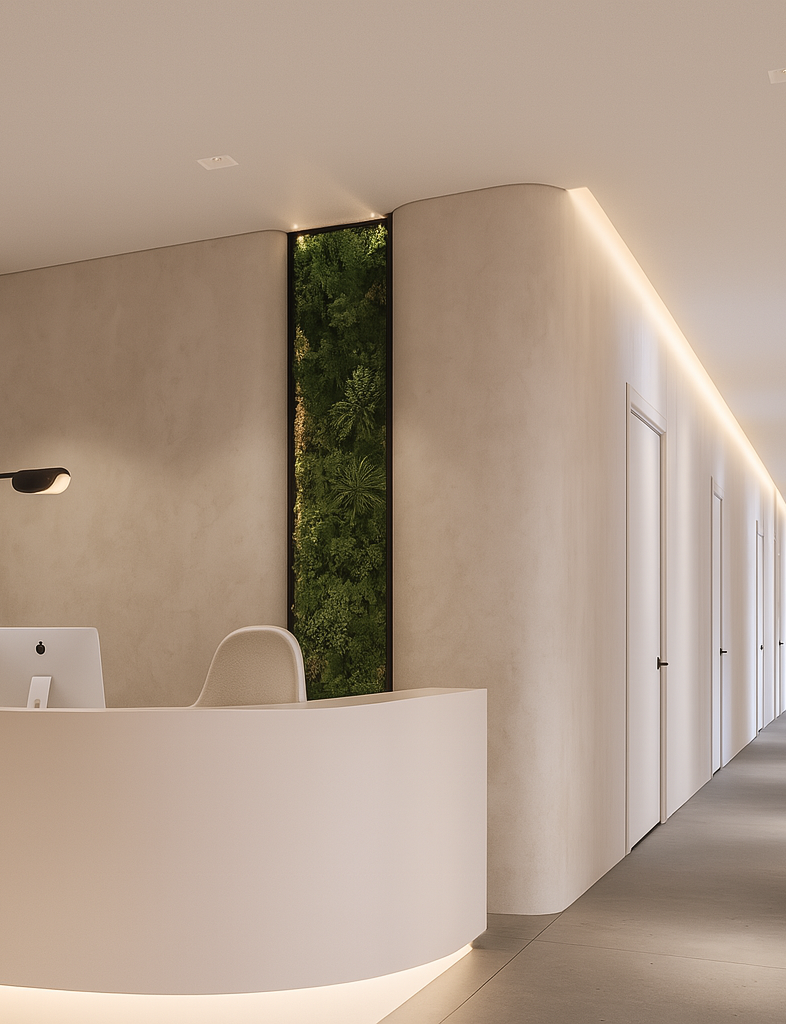
One of the most impactful trends in healthcare fitout design is biophilic design and the integration of natural elements like plants, natural light, and organic materials into interior environments.
Key features include:
- Outdoor garden spaces integrated into care areas
- Indoor greenery and living walls
- Maximised natural daylight through careful window placement
- Natural texture materials like timber and stone
2. Energy Efficiency and Net-Zero Strategies
Healthcare facilities have some of the highest energy demands of all commercial building types. Even smaller clinics operate 24/7, driving significant energy use and carbon emissions.
In response, many facilities are targeting net-zero energy goals. These solutions not only reduce carbon footprints but also lower long-term operating costs, a key consideration for healthcare providers with strict budgets.
Trending strategies in 2026 include:
- Energy management systems that optimise usage patterns
- Solar systems on rooftops and shaded carparks
- High-performance insulation and airtight building envelopes
- Energy-efficient lighting and HVAC systems
3. Smart, Integrated Building Technology
Intelligent building technology is increasingly woven into sustainable healthcare construction. Smart systems automate and optimise energy performance, improve air quality monitoring, and reduce waste.
These technologies help clinics meet both sustainability goals and patient comfort expectations more efficiently.
Examples include:
- Smart ventilation systems that ensure healthy indoor environments
- Automated lighting and temperature control systems
- Sensors to track energy and resource use
4. Modular and Flexible Construction
Modular construction (where building components are prefabricated off-site and assembled on-site) is gaining traction in healthcare fitouts. This approach reduces waste, shortens construction timelines, and improves quality control.
In a world where healthcare needs can change rapidly, flexible and adaptive spaces allow clinics to reconfigure workflows without undergoing expensive renovations later.
5. Sustainable Materials and Circular Economy Practices
Using eco-friendly and non-toxic materials isn’t just good for the environment, it also creates a healthier interior environment for patients, visitors, and staff.
Material selection matters. Sustainable healthcare design prioritises:
- Low-VOC paints and finishes that improve indoor air quality
- Recycled and responsibly sourced materials
- Products designed for reuse or recycling at end of life
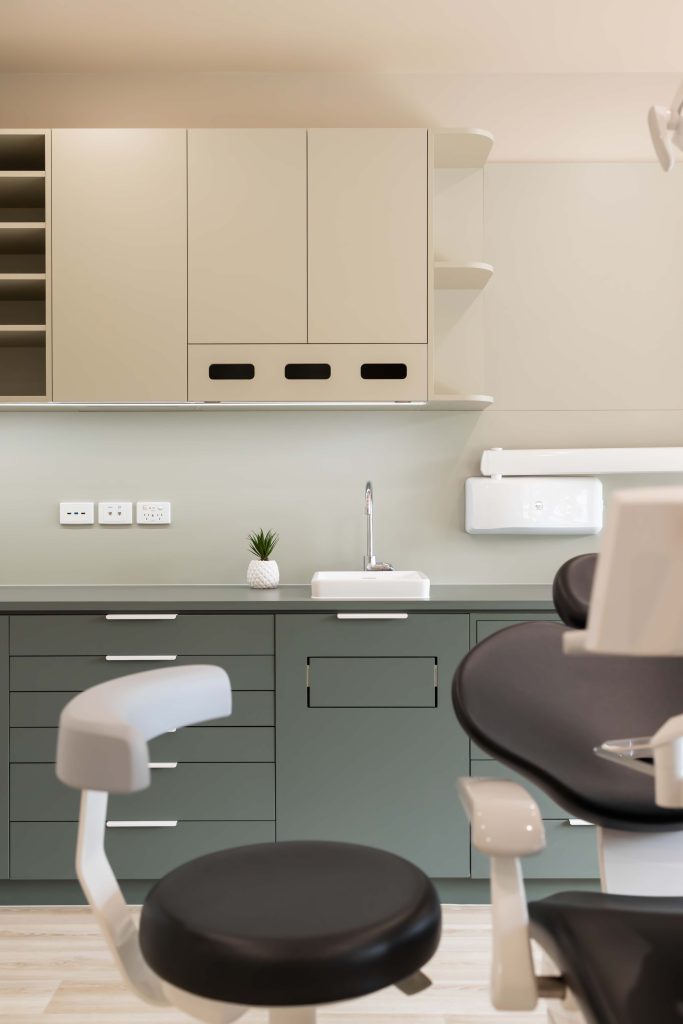
6. Wellness-Enhanced Interiors Over Sterile Spaces
Healthcare fitout interior trends for 2026 emphasise spaces that do more than meet clinical needs, they prioritise comfort and human wellbeing.
These design choices aren’t merely aesthetic; they support better patient satisfaction and calmer, more effective clinical environments.
Design elements now include:
- Acoustic design to reduce noise stress
- Softer colour palettes and warm finishes
- Comfortable waiting areas with natural finishes
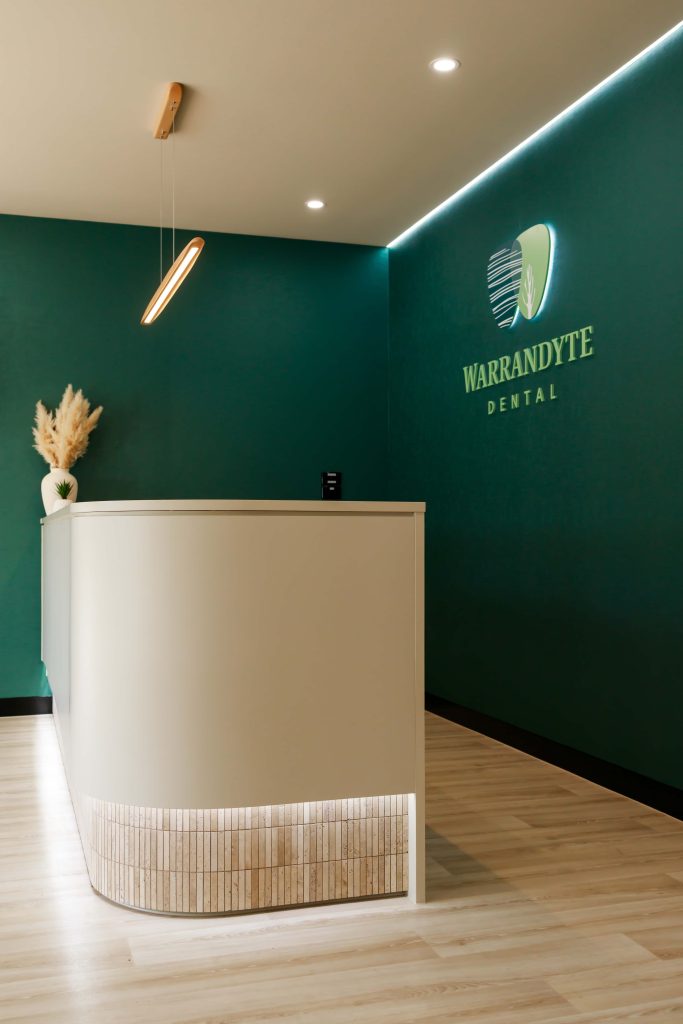
At SoulMED, we work closely with you to bring your design vision to life, creating healthcare environments that are thoughtfully designed around the needs of practitioners and patients.
With a strong focus on emerging green design trends in healthcare fitouts, we can also help you integrate sustainable practices into every stage of your project.
Our approach ensures your medical space is future-ready, supporting patient wellbeing, improving staff comfort, and aligning with evolving sustainability standards in the healthcare sector.