Healthcare design continues to evolve at a rapid pace. In 2025, clinic and practice environments have placed even greater emphasis on flexibility, technology integration, and wellbeing. For those planning new spaces or refurbishments, understanding these medical design trends for 2025 can help guide decisions that balance functionality, compliance, and care.
1. Design That Feels Like Home
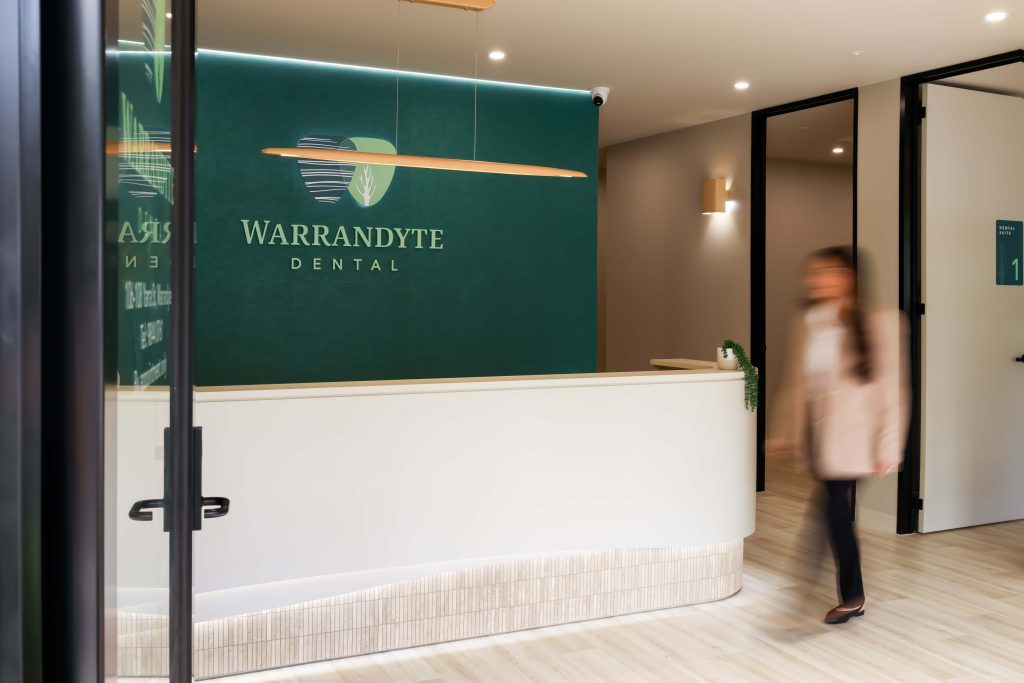
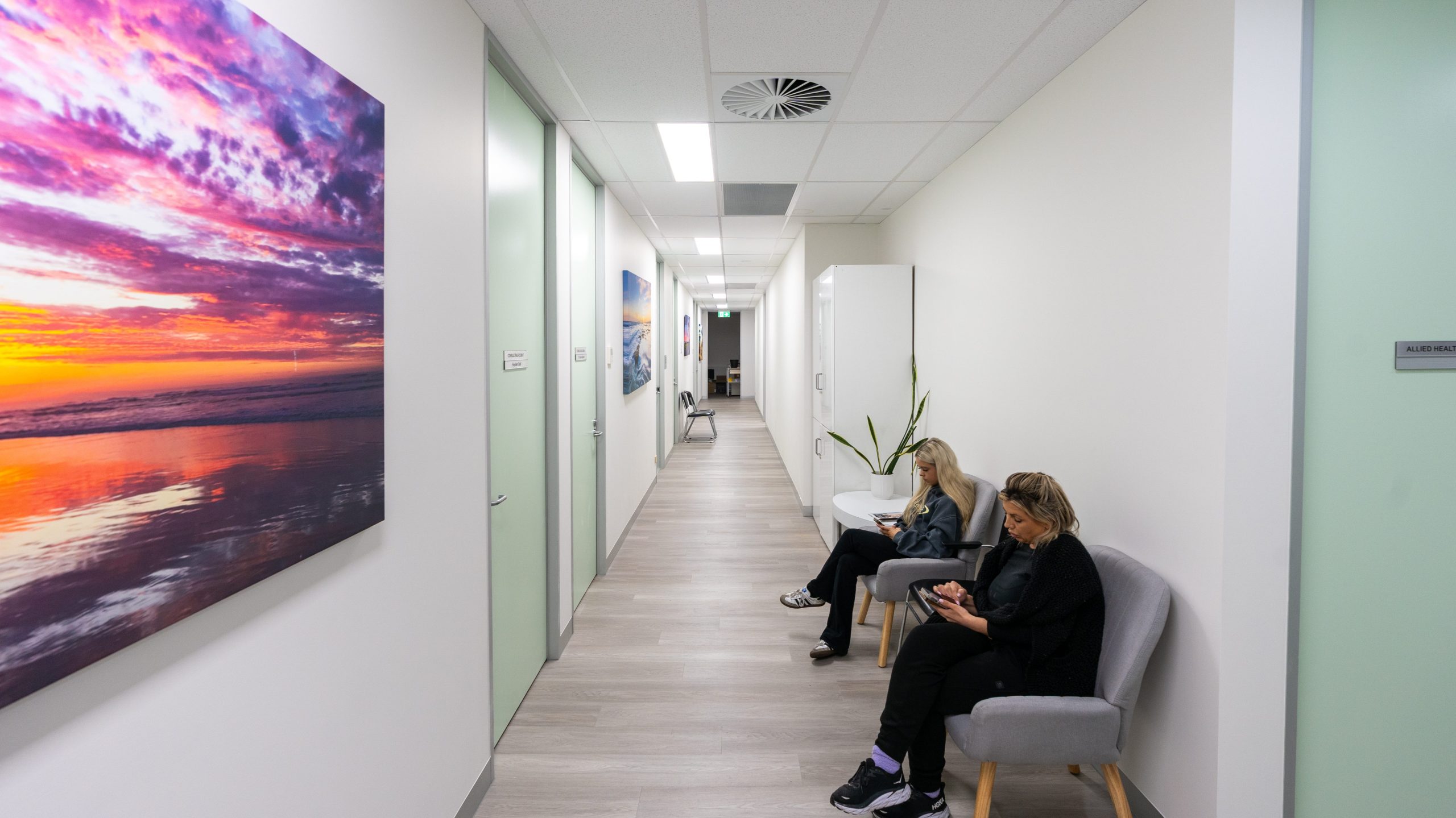
Across Australia, there’s growing attention on how clinical environments affect wellbeing. Designers are looking beyond clinical efficiency to explore how layout, light, and material choices can help patients feel calm and supported.
- Biophilic elements such as plants, natural light, and timber textures are becoming common features.
- Thoughtful zoning – clearly separating reception, consultation, and treatment areas – improves privacy and circulation.
- Accessibility and inclusion remain priorities, with more clinics adopting design features that accommodate a wider range of patient needs.
Together, these elements contribute to a sense of calm and familiarity – helping patients feel more at ease, and more “at home,” even within a clinical setting.
For those seeking further reading, the Office of the Victorian Government Architect’s Good Design for Healthcare Guide outlines principles for creating healthcare environments that are both welcoming and functional.
2. Integrating Smart Technology into Everyday Practice
Technology is influencing every stage of healthcare delivery, and design is following suit. Modern medical fitout ideas increasingly include digital infrastructure that improves both patient experience and staff efficiency.
Examples include:
- Touchless check-in points and automated access control
- Telehealth pods or flexible consultation zones for hybrid models of care
- Smart building systems that monitor air quality, lighting, and energy use
The goal isn’t simply to showcase innovation, but to make technology unobtrusive and supportive of care.
3. Sustainability as Standard Practice
Sustainability continues to move from aspiration to expectation. In 2025, healthcare projects are focusing on design strategies that reduce environmental impact while enhancing operational efficiency.
Emerging approaches include:
- Low-VOC materials and modular construction methods
- Energy-efficient lighting and HVAC systems
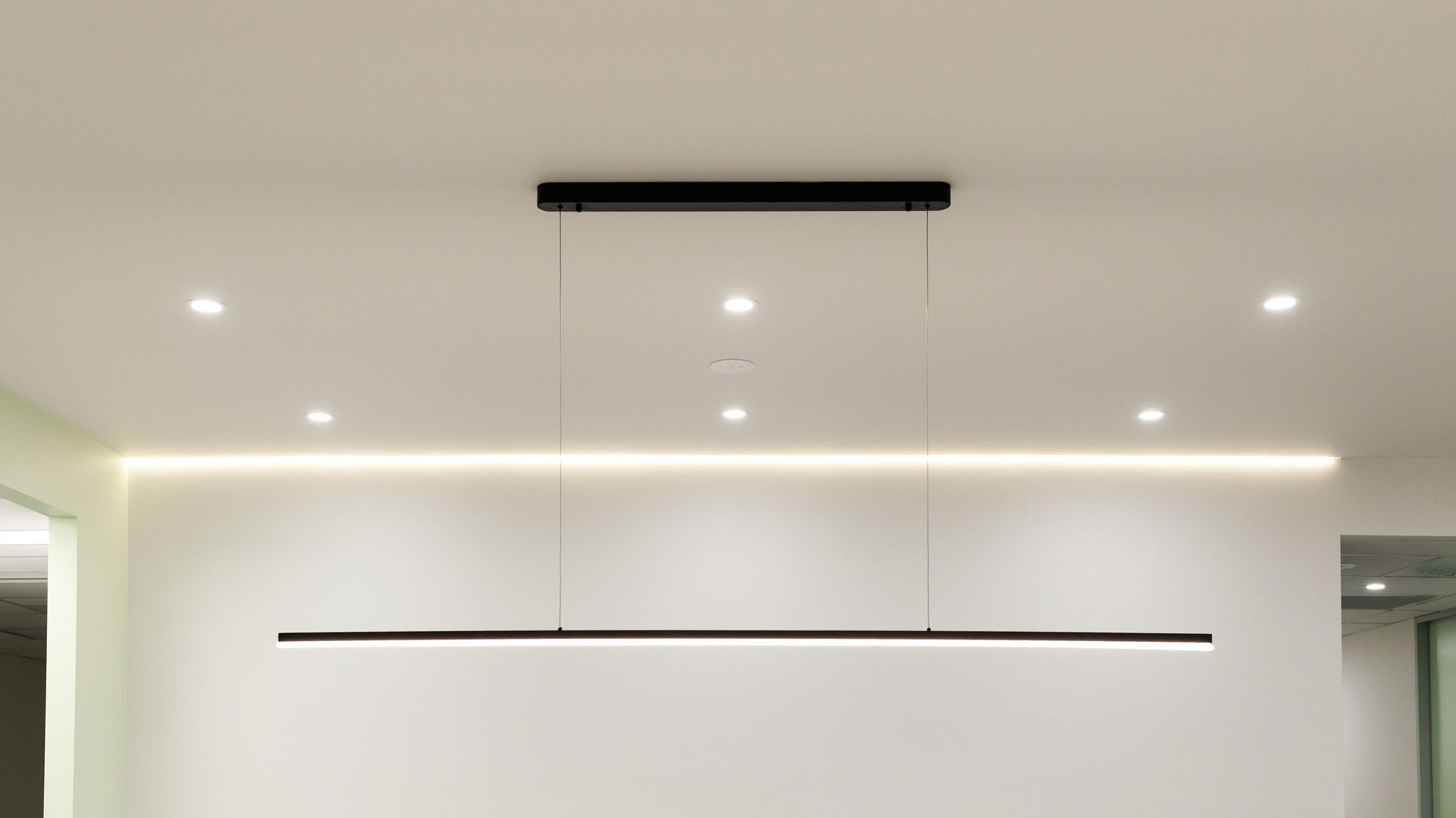
- Maximising daylight to reduce energy consumption
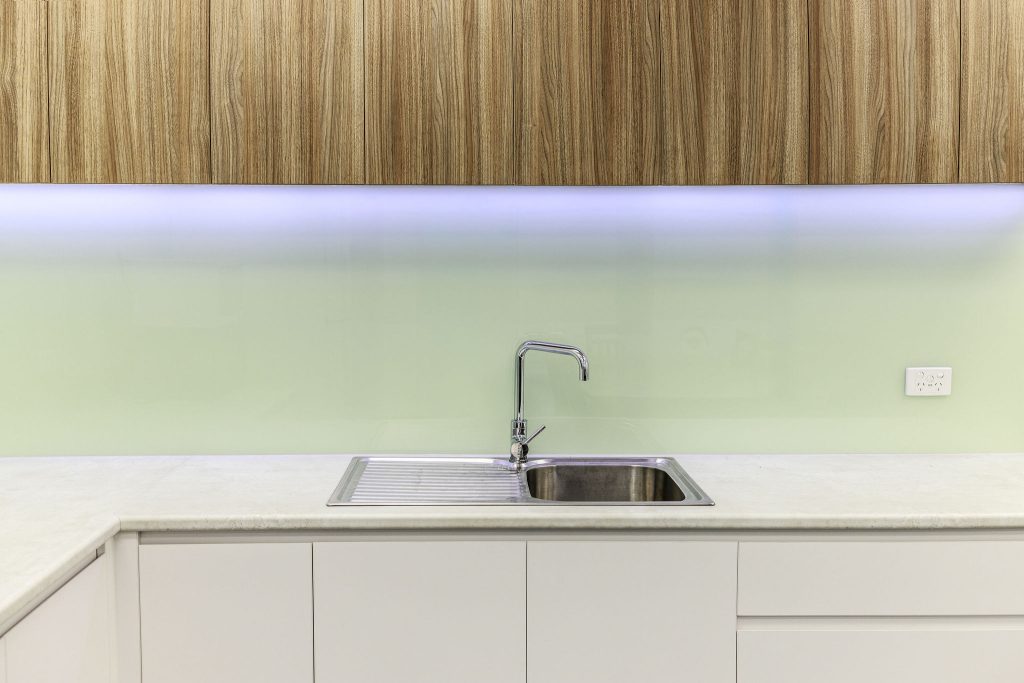
- Durable finishes that extend the life of the fitout
In many cases, sustainable design aligns naturally with healthcare goals, promoting wellness, quality, and longevity in the built environment.
4. Flexible by Nature
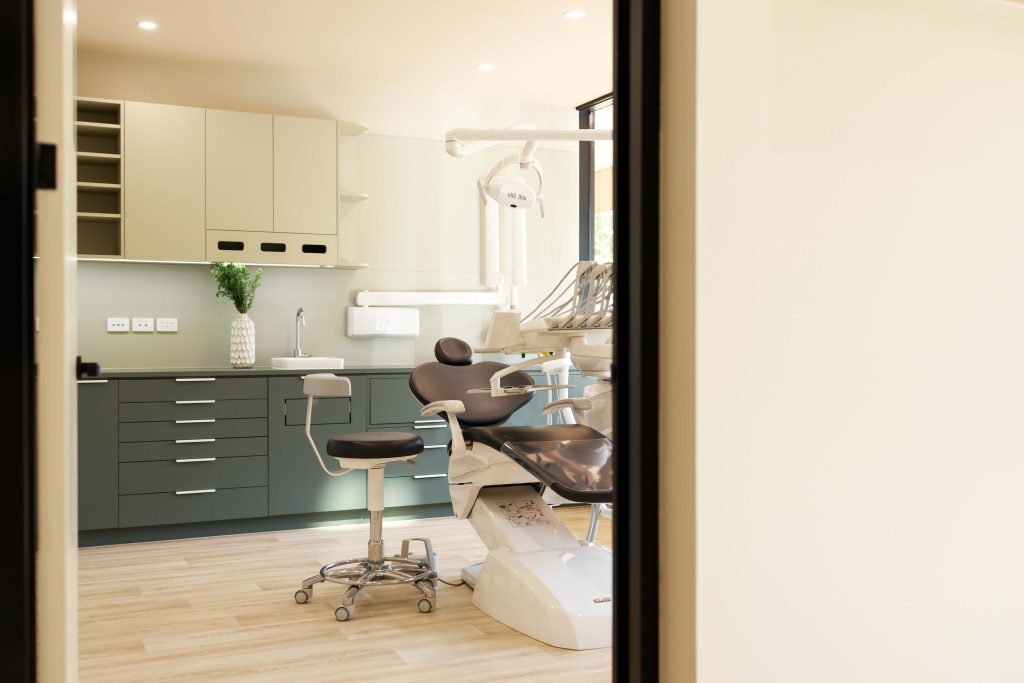
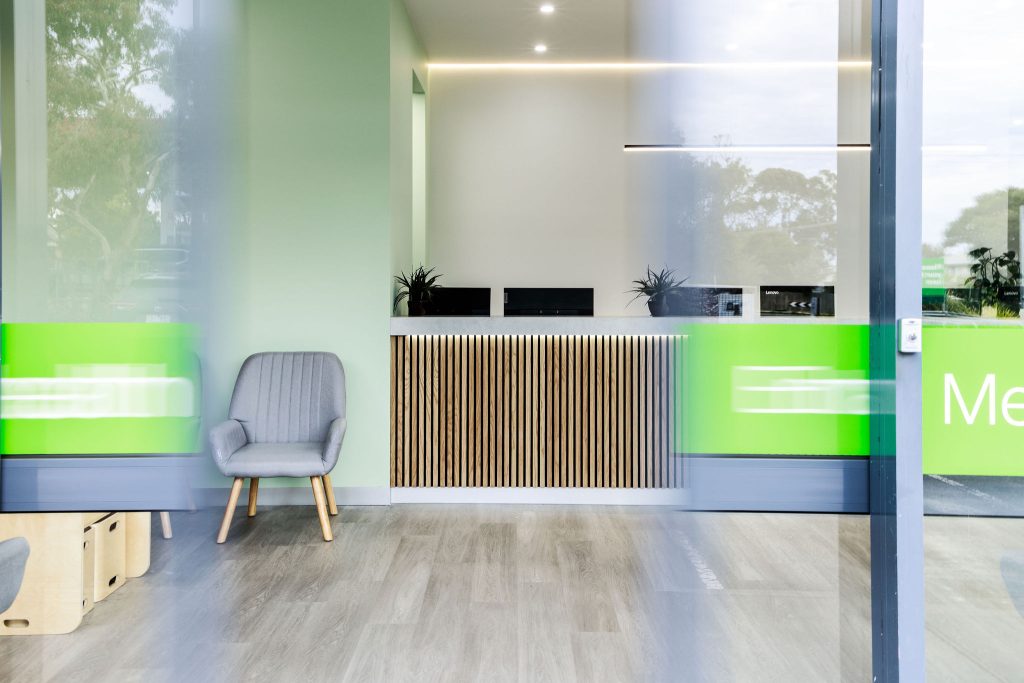
Healthcare delivery is changing quickly, and design needs to anticipate that change. Practices are seeking clinic layout inspiration that allows for growth, new technologies, and service diversification.
Some of the strategies gaining traction include:
- Modular joinery and movable partitions for adaptable floorplans
- Multi-purpose rooms that can switch between consultation, telehealth, or procedure use
- Scalable infrastructure to accommodate future medical equipment
This approach supports resilience, ensuring a clinic remains functional and efficient even as healthcare landscape evolves.
5. When Every Detail Says: We Care
In 2025, aesthetic choices are being guided less by trends and more by the desire to communicate warmth, trust, and clarity. Rather than focusing on brand identity alone, many designers are looking at how materials, colours, and textures influence patient comfort and staff wellbeing.
Common design directions include:
- Neutral tones balanced with gentle, nature-inspired accents
- Use of durable, tactile materials that age well
- Consistency between patient-facing and staff-only areas to create a cohesive environment
The result is a space that quietly communicates professionalism and attentiveness, not through statement design, but through thoughtful detail.
Working with Experienced Fitout Partners
Medical design and construction involve complex requirements: infection control, accessibility, compliance, and functionality all intersect. Many practice owners find value in working with specialists who understand these technical standards and the practical realities of healthcare environments.
At SoulMed, we specialise in medical, dental, and healthcare fitouts. Our structured process helps ensure every project aligns with regulatory standards and operational needs, and your vision, from planning through to handover.
Bringing It All Together
The medical design trends of 2025 point toward a more adaptive, sustainable, and human-centred approach. As practices continue to evolve, the focus remains on creating spaces that support both patient wellbeing and the everyday work of healthcare professionals.
For further inspiration and guidance on planning your next project, explore: