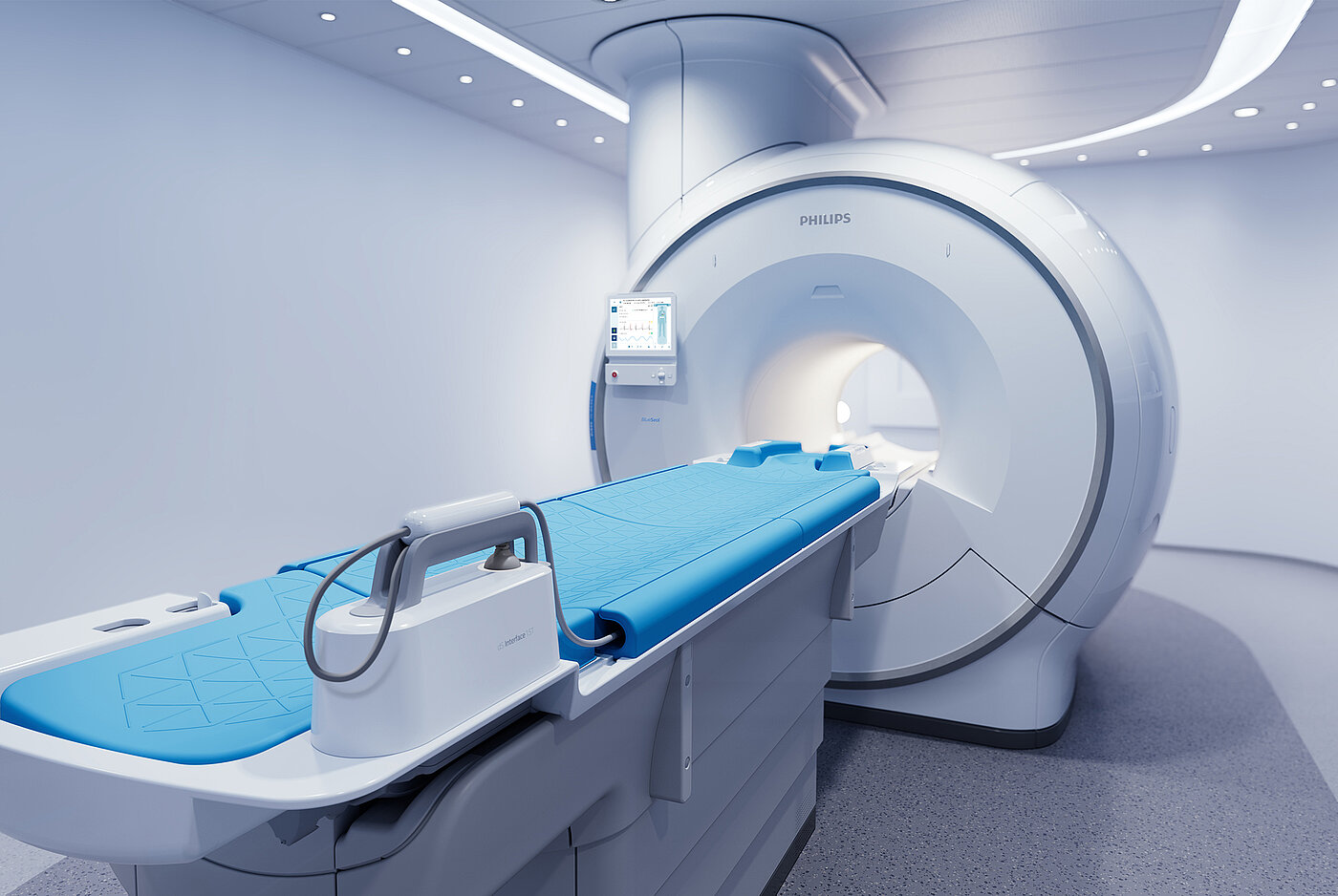
Radiology is evolving quickly, and so is the way imaging clinics need to be designed and built. With rising demand for diagnostic services, rapid advances in imaging technology, and increasing pressure on efficiency, modern radiology clinic design is no longer just about accommodating equipment, it’s about creating adaptable, future-ready healthcare environments.
For healthcare providers planning new facilities or upgrades, understanding these trends early can help avoid costly redesigns later and ensure long-term operational success.
Below are the key trends shaping radiology clinic design and what they mean for your next fitout.
1. Growing Demand for Outpatient Imaging Centres
One of the most significant shifts in healthcare delivery is the move toward outpatient and community-based imaging services. Patients increasingly expect faster, more accessible diagnostics without the need to visit large hospital campuses.
This trend is driving the development of smaller, high-efficiency radiology clinics located in suburban and regional areas. From a design perspective, this means:
- Compact but highly efficient floorplans
- Clear separation between patient flow and staff workflows
- Scalable layouts that allow for future expansion
- Smart use of space to maximise throughput without compromising comfort
For builders and healthcare developers, the challenge is creating facilities that feel calm and patient-friendly while still supporting high daily volumes.
2. AI-Enabled Radiology Workflows and Reporting Spaces
Artificial intelligence is increasingly being integrated into radiology workflows, assisting with image interpretation, prioritisation, and reporting efficiency. While AI doesn’t replace radiologists, it is changing how and where they work.
As a result, clinic design is shifting toward more digital-centric reporting environments, including:
- Flexible reading rooms with enhanced digital infrastructure
- Ergonomic workstation design for long reporting sessions
- Quiet, low-distraction zones for focused analysis
- Strong data and network cabling provisions built into the base design
This shift highlights the importance of designing infrastructure that supports evolving technology, not just today’s equipment requirements.
3. Flexible Rooms for Evolving Imaging Technology
Medical imaging technology is advancing quickly, and equipment lifecycles are becoming shorter. Radiology clinics now need to plan for change from day one.
Future-ready design often includes:
- Modular wall systems that allow room reconfiguration
- Ceiling-mounted service grids for adaptable equipment positioning
- Oversized service zones for future machine upgrades
- Reinforced structural slabs to accommodate heavier or newer scanners
Flexibility is now a core design principle in radiology fitouts. Clinics that invest in adaptable layouts are better positioned to upgrade equipment without major disruption or redevelopment.
4. Sustainability and Energy Efficiency in Medical Facilities
Sustainability is becoming a key priority in healthcare construction. Radiology clinics, in particular, have high energy demands due to imaging equipment, cooling systems, and 24/7 operational requirements.
Forward-thinking designs are incorporating:
- High-efficiency HVAC systems to manage heat loads
- Energy-efficient lighting and smart controls
- Better insulation and thermal performance in clinical spaces
- Sustainable materials that meet healthcare durability standards
Beyond environmental benefits, energy-efficient design also helps reduce long-term operating costs, an important consideration for private imaging providers.
5. Designing for Higher Patient Volumes Without Sacrificing Experience
As demand continues to rise, radiology clinics must balance efficiency with patient comfort. Poorly designed facilities can quickly become congested, leading to delays and a negative patient experience.
Modern clinic design focuses on:
- Streamlined check-in and waiting processes
- Clear circulation paths to reduce bottlenecks
- Multiple imaging rooms supported by shared prep and recovery spaces
- Calm, well-considered interiors that reduce stress and anxiety
The goal is simple: move more patients efficiently while maintaining a high standard of care and comfort.
Designing Radiology Clinics for the Future
Radiology clinic design is entering a new era, one defined by flexibility, technology integration, and patient-centred efficiency. For healthcare providers, the most successful projects will be those that anticipate change rather than react to it.
By partnering with experienced medical fitout specialists who understand both construction and clinical workflows, clinics can ensure their facilities are ready for today’s demands and tomorrow’s innovations.