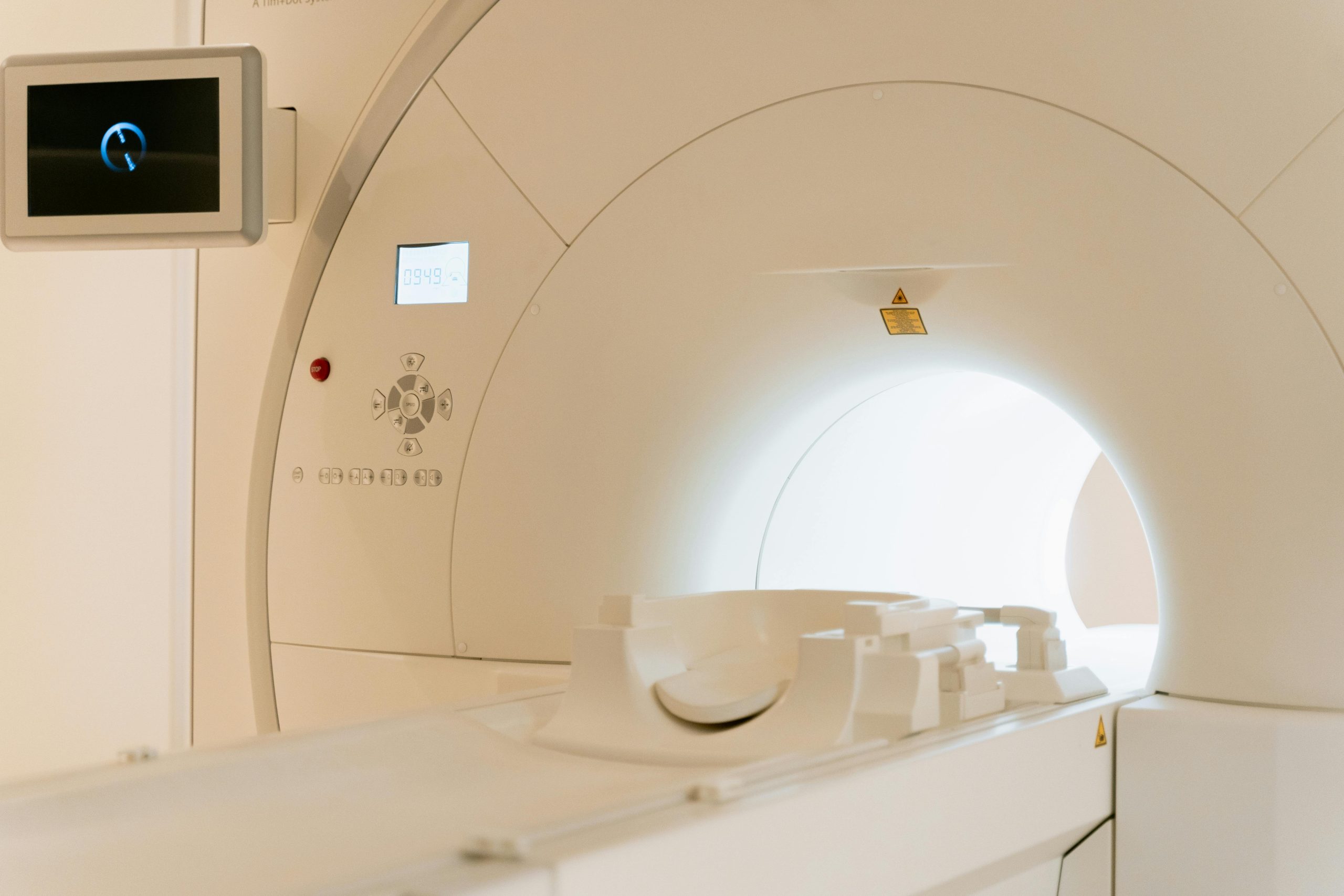
Planning a radiology clinic fitout is a major step for any healthcare provider. Whether you’re developing a new imaging centre or upgrading an existing facility, the decisions made before construction begins will directly impact cost, efficiency, compliance, and long-term flexibility.
Radiology environments are highly technical, and unlike standard commercial fitouts, they require early coordination between builders, medical equipment suppliers, engineers, and regulatory consultants. Getting the planning phase right is what separates a smooth delivery from costly delays and redesigns.
Below are the key considerations every clinic owner and healthcare operator should understand before starting a radiology fitout.
1. Site Selection: Designing Around Imaging Requirements
The success of a radiology clinic often starts with the site itself. Not all buildings are suitable for high-end imaging equipment, and this is something that needs to be assessed early.
Key factors include:
- Floor loading capacity for heavy equipment such as MRI and CT scanners
- Ceiling heights and structural clearances
- Access for large deliveries and equipment installation
- Proximity to electrical infrastructure and services
- Ability to control vibration from surrounding environments
A site that seems ideal on paper may require significant structural upgrades if these factors are not considered upfront.
2. Space Planning for Different Imaging Modalities
Each imaging modality has unique spatial and functional requirements. A well-planned radiology fitout ensures that MRI, CT, ultrasound, and X-ray rooms are designed for both equipment performance and clinical workflow.
Typical considerations include:
- MRI suites requiring dedicated control rooms and safety zones
- CT rooms needing efficient patient flow for high throughput
- Ultrasound rooms designed for privacy and flexibility
- X-ray rooms with appropriate shielding and access control
Efficient space planning also improves patient movement through the clinic, reducing wait times and operational bottlenecks.
3. Power, Cooling, and Accessibility Requirements
Radiology equipment places significant demands on building services. These systems must be designed early, as they are difficult and expensive to modify once construction is underway.
Important infrastructure requirements include:
- Dedicated high-capacity electrical supply for imaging equipment
- Backup power systems for critical continuity
- Advanced HVAC systems to manage heat generated by machines
- Precise temperature and humidity control in imaging rooms
- Accessible pathways for both patients and equipment servicing
Underestimating these requirements is one of the most common causes of project delays in radiology fitouts.
4. Compliance Approvals and Certification Timelines
Radiology clinics operate within strict regulatory frameworks, particularly around radiation safety and building compliance. These approvals can significantly influence project timelines.
Key elements include:
- Radiation shielding design and verification
- Compliance with healthcare building codes and standards
- Certification from relevant authorities before commissioning
- Coordination with radiation safety consultants and physicists
These processes should be integrated into the project schedule from the very beginning to avoid delays at completion.
5. Budgeting for Hidden Infrastructure Costs
While imaging equipment is often the largest investment, the supporting infrastructure can also represent a significant portion of the budget.
Commonly overlooked costs include:
- Structural reinforcement for heavy equipment
- Lead shielding for radiology rooms
- Upgraded mechanical and electrical systems
- Data infrastructure and networking requirements
- Commissioning and certification processes
Accurate budgeting early in the planning phase helps prevent scope changes and financial pressure later in the project.
6. Designing for Future Expansion
Healthcare demand continues to grow, and radiology clinics need to be designed with flexibility in mind. A well-planned fitout should allow for future expansion without major disruption.
This can include:
- Allocating space for additional imaging rooms
- Designing modular layouts that can be reconfigured
- Oversizing plant rooms and service routes
- Planning for future technology upgrades and heavier equipment
Future-proofing the design ensures the facility remains viable and competitive as technology and demand evolve.
A Successful Radiology Fitout
A successful radiology fitout is never just about construction, it’s about careful planning, technical coordination, and long-term thinking. The decisions made before breaking ground will shape the clinic’s efficiency, compliance, and profitability for years to come.
By engaging experienced medical fitout specialists early, healthcare providers can avoid common pitfalls and ensure their facility is built for both current needs and future growth.
Looking for advice?