IVF and embryology suites sit at the core of every fertility clinic. These are highly specialised environments where precision, control, and consistency are essential – not only for compliance, but for clinical outcomes.
Designing and constructing these spaces requires more than meeting minimum standards. The most successful IVF facilities are those where every design decision is deliberate, supporting laboratory performance, staff workflow, and long-term adaptability.
Below are the key design considerations that matter most when planning an IVF clinic or embryology suite, particularly within the Australian healthcare context.
Function First: Designing for Laboratory Performance
Effective IVF lab design considers:
- Logical adjacencies between lab zones, procedure rooms, and cryostorage
- Clear separation between clean and non-clean areas
- Minimised movement and handling of samples
- Ergonomic layouts that support long hours of detailed work
Rather than over-complicating layouts, strong design simplifies them – removing friction from daily workflows and reducing the risk of error.
Environmental Control and Consistency
Embryology suites demand extremely stable conditions. Temperature, air quality, humidity, and vibration all play a role in maintaining optimal laboratory performance.
Key considerations include:
- High-quality HVAC systems designed specifically for laboratory environments
- Stable temperature control with minimal fluctuation
- Air filtration strategies that support infection control and clean room principles
- Careful equipment placement to reduce heat load and vibration
These systems must be integrated seamlessly into the fitout – not treated as add-ons -so that performance is reliable, efficient, and maintainable over time.
Materials, Finishes, and Build Quality
In IVF clinics, materials are chosen for performance first, but that doesn’t mean aesthetics are irrelevant. Durable, hygienic finishes that are easy to maintain can still feel considered and refined.
Attention to detailing – junctions, edges, transitions – often separates average medical spaces from those that perform consistently over the long term.
Lighting That Supports Precision Work
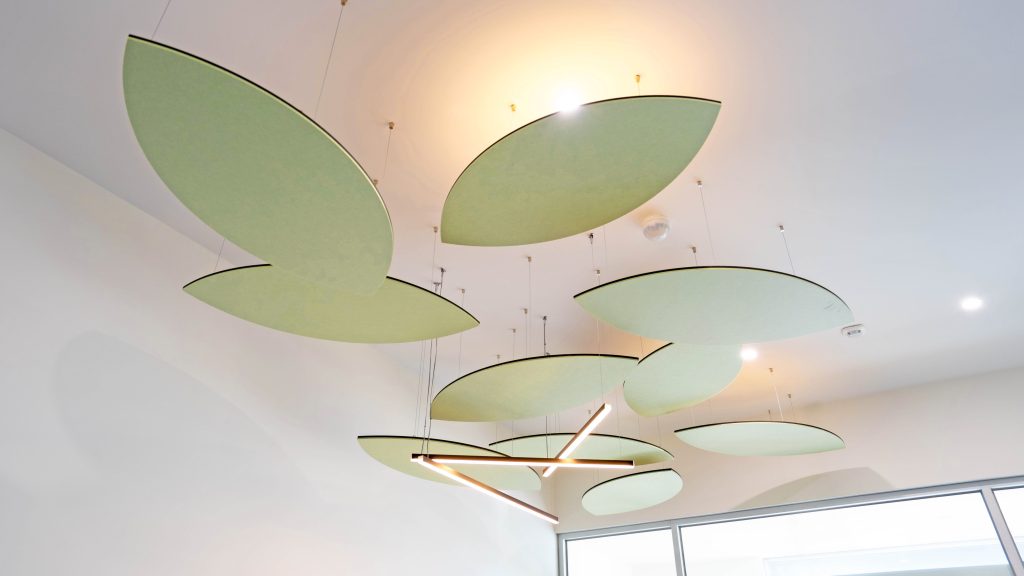
Lighting in embryology suites is not simply about illumination. It directly affects visibility, fatigue, and accuracy.
The goal is a space that supports sustained focus, rather than one that overwhelms or distracts.

Infection Control Without Compromise
Infection control is a non-negotiable requirement in IVF laboratory design, but it should be embedded into the overall fitout strategy, not layered on as an afterthought.
This includes:
- Clearly defined circulation paths for staff, patients, and materials
- Finishes and junctions designed to reduce dust and contamination
- Integrated hand hygiene stations and waste management solutions
- Construction methodologies that protect clean environments during upgrades
When infection control is considered early in the design and construction process, it becomes part of how the space functions rather than a constraint on it.
Privacy, Focus, and Staff Wellbeing
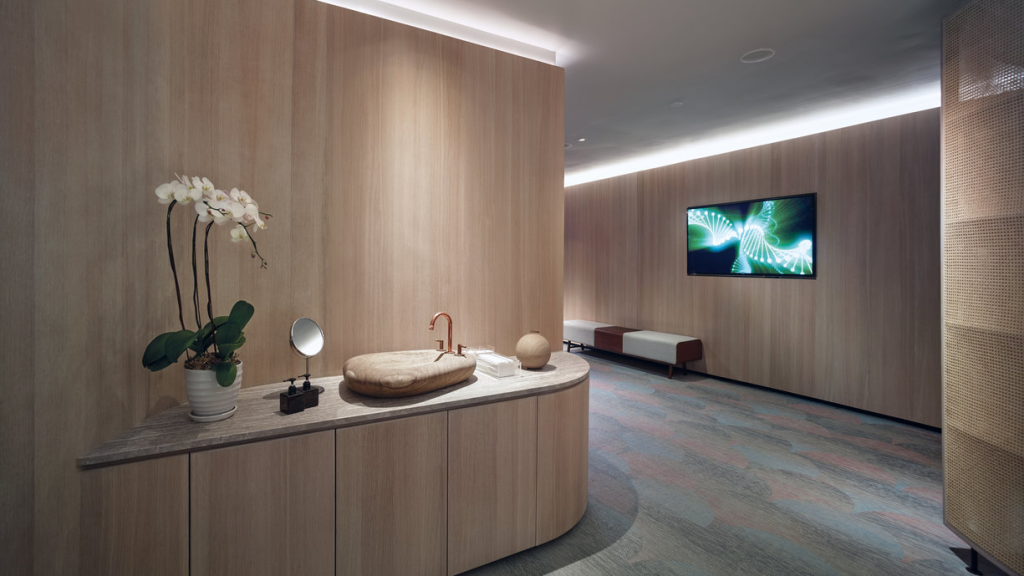
Embryologists and laboratory staff spend long hours in high-concentration environments. The design of IVF clinics should support focus and wellbeing, just as much as technical performance.
Well-designed IVF clinics acknowledge that people, not just processes, are central to successful outcomes.
Planning for Future Change
IVF technology continues to evolve, and laboratories must be able to adapt. Healthcare fitouts that only address current needs often require costly rework sooner than expected.
Future-ready IVF clinic design considers:
- Flexible layouts that allow equipment upgrades
- Sufficient services capacity for new technologies
- Modular elements that can be reconfigured with minimal disruption
This approach protects the clinic’s investment and supports growth without compromising day-to-day operations.
The Role of Specialist Medical Fitout Experience
Designing and constructing IVF clinics and embryology suites requires close collaboration between clinic stakeholders, consultants, and builders who understand healthcare environments.
A construction partner experienced in medical fitouts and IVF clinic construction brings value by:
- Translating complex clinical requirements into practical build solutions
- Coordinating specialist trades and laboratory services
- Delivering high-quality outcomes while managing compliance and risk
When laboratory spaces are approached with the same level of care, planning, and execution as high-performing commercial environments, the result is a facility that supports excellence – quietly, consistently, and intentionally.