Designing Psychology Clinics With Scalability in Mind
Launching a psychology clinic is more than finding the right therapists, getting your accreditations, or choosing a lease. The physical design of your clinic can make or break your ability to grow sustainably. If you design with scalability in mind from the outset, you can adapt seamlessly as patient demand, team size, and service offerings change.
In this article, we’ll walk you through smart strategies for future-proofing your psychology clinic, discussing modular layouts, flexible infrastructure, and fit-out decisions that support long-term growth. As a medical fit-out specialist, we at SoulMed believe in building spaces that aren’t just functional today but grow with you and your practice.
Why Scalability Matters for Psychology Clinics
- Unpredictable Growth
Mental health demand is rising, and your clinic may expand faster than you expect or pivot into allied services or telehealth.
- Cost of Retrofit
Renovating later can be much more expensive than planning flexibility into the original fit-out. Studies of healthcare facilities stress how future-proofing can reduce long-term costs.
- Operational Efficiency
A scalable layout supports better workflows: easy room reconfiguration, efficient use of shared spaces, and smarter infrastructure planning.
- Regulatory & Infrastructure Alignment
Designing with modular, future-ready systems aligns with health-facility guidelines, reducing risk down the track.
6 Key Design Principles for a Scalable Psychology Clinic
Here are strategic principles to guide your clinic’s design so that it supports both your immediate needs and future growth.
1. Use Modular & Flexible Layouts
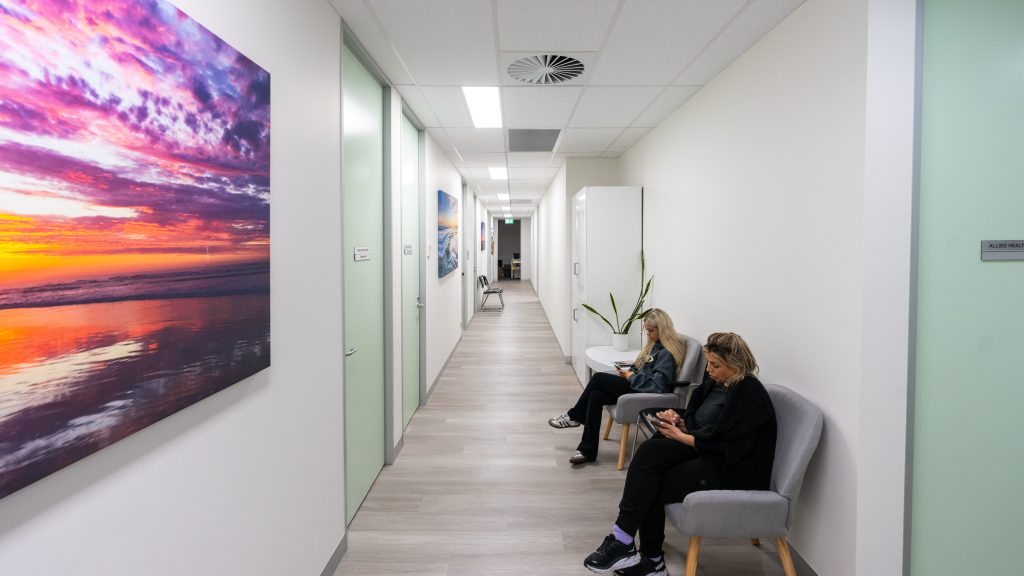
Strategic zoning: Plan public zones (waiting, reception), consult rooms, admin, and therapy zones with adjacency that supports both current flow and future expansion.
Modular rooms / partitions: Incorporate moveable walls or modular partitions so spaces can be reconfigured as demand changes. For instance, transforming a consult room into a group therapy room or telehealth suite. Smart planning emphasises modular design to adapt to changing models of care.
Generic “universal” spaces: Design rooms with universal utility (power/data points, standard door widths, service access) so they can serve multiple purposes.
2. Invest in Future-Ready Infrastructure
Utility flexibility: Ensure ceilings, electrical systems, and plumbing support adaptability. For example, gas or data risers should be placed to allow for future alterations.
Structural planning: Where possible, allow for vertical or horizontal expansion by aligning structural grids or leaving room for future extensions.
Tech infrastructure: Wire for data, power, and telehealth from the start. Embedding smart, scalable technology saves you from costly retrofits later.
3. Embrace Evidence-Based Design (EBD)
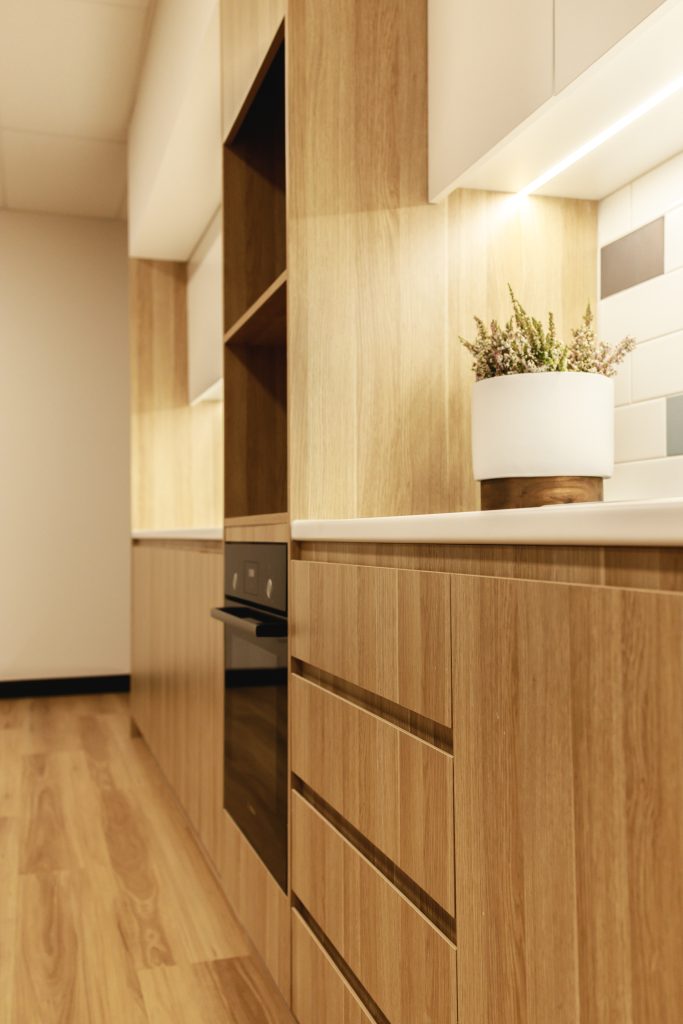
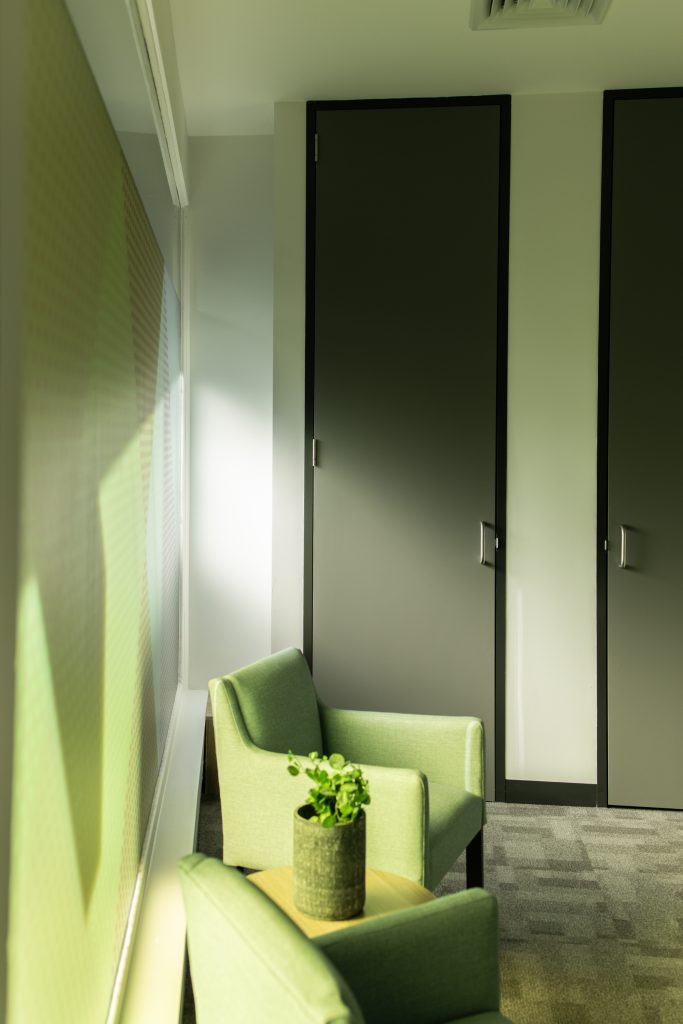
Comfort + functionality: Incorporate calming layouts, natural light, soundproofing, and biophilic elements to promote a healing environment.
Design with outcomes in mind: Use evidence-based design principles which draw on research linking physical environments to patient outcomes to enhance wellbeing, reduce stress, and boost satisfaction.
4. Plan for Telehealth and Hybrid Care
Technology-enabled design: Pre-wire for high-bandwidth internet, AV equipment, and secure cabling making virtual care a first-class feature, not an afterthought.
Dedicated hybrid rooms: Design specific consult spaces that can double as telehealth rooms, with appropriate lighting, acoustics, and privacy.
5. Back-of-House Efficiency
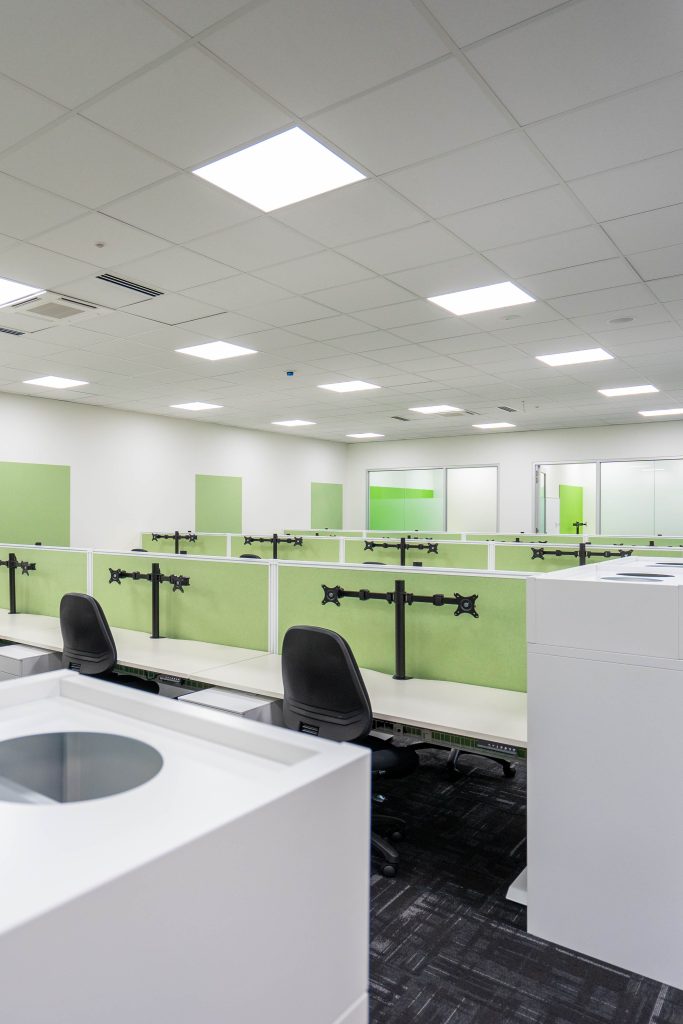
Leadership & team structure: Design workflows (and rooms) with leadership, operations, and financial roles in mind. You may not start with them, but the space should allow for them.
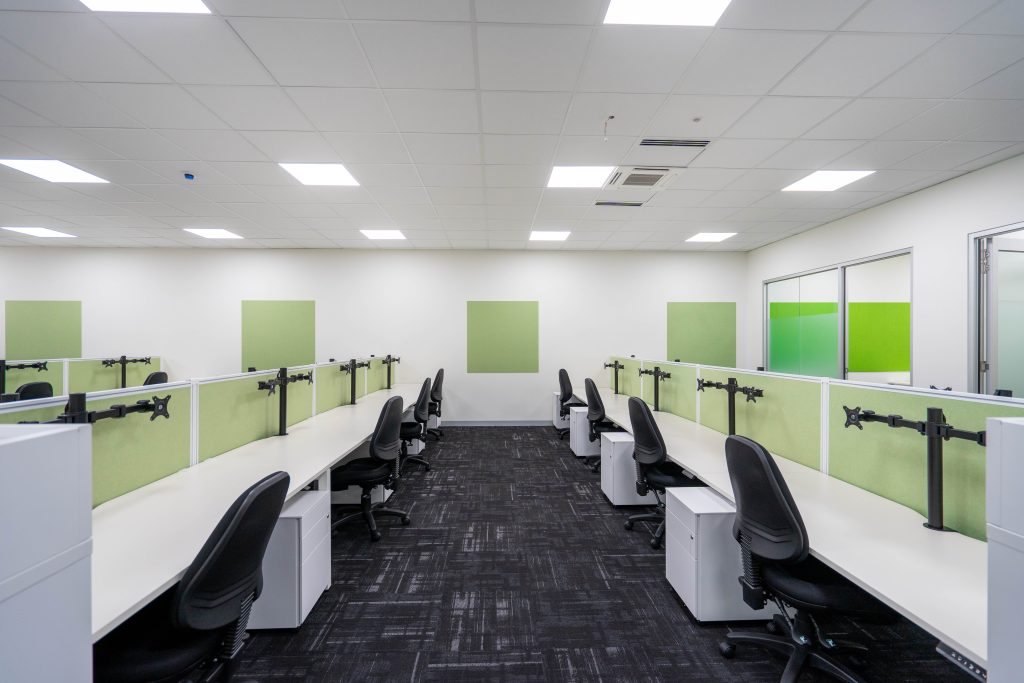
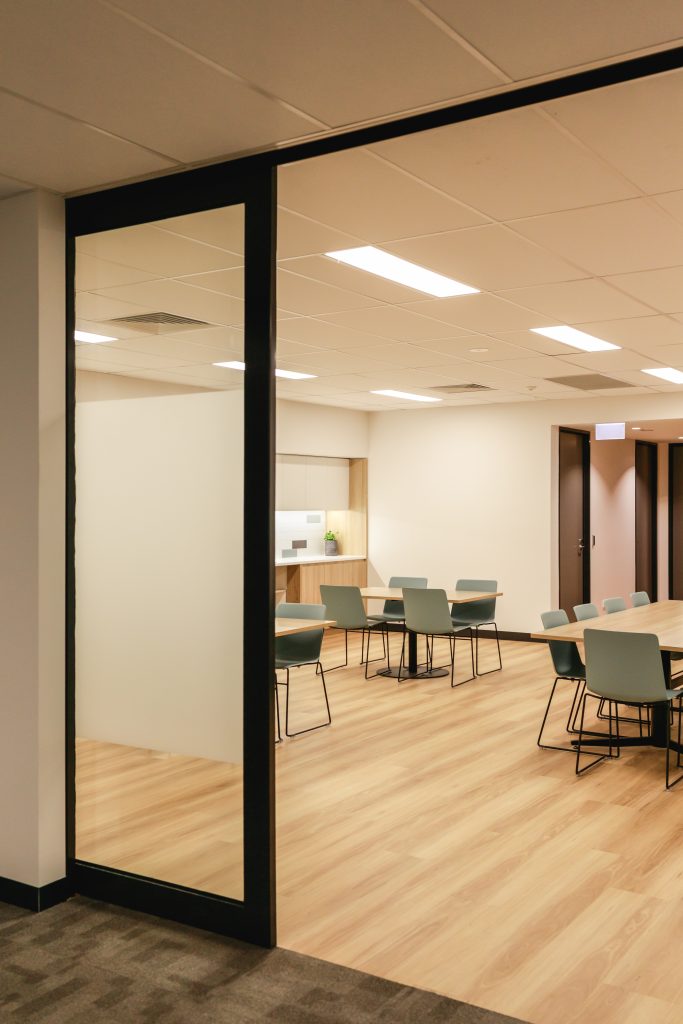
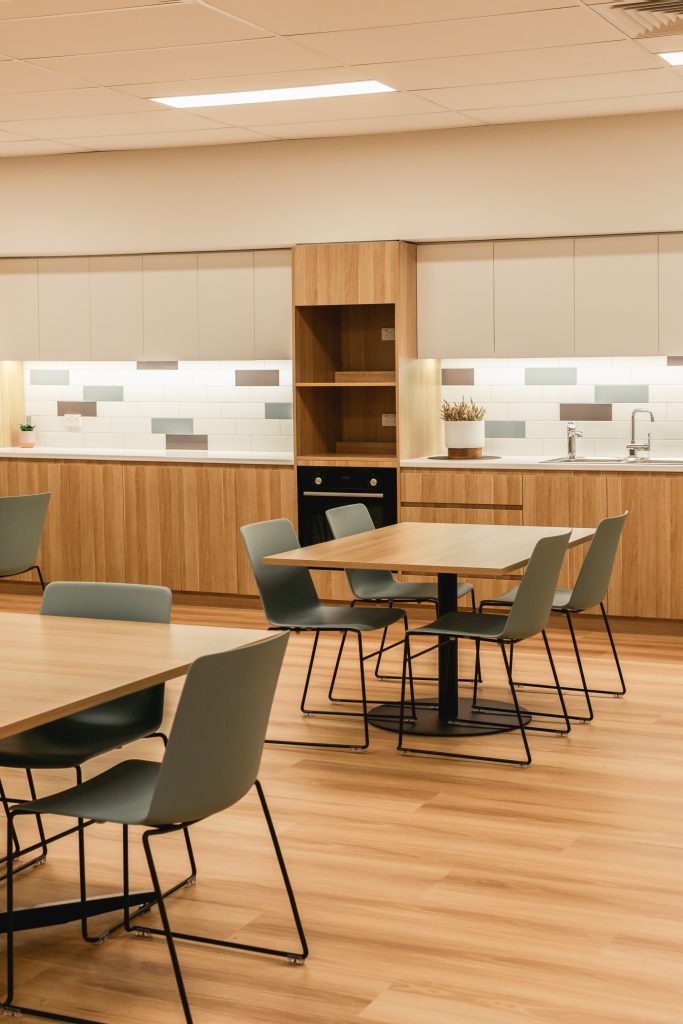
Shared back-of-house zones: Plan staff break rooms, storage, and admin areas that can support additional clinicians later.
Standard operating procedures (SOPs): As you scale, having clear clinical and admin SOPs helps maintain consistency and your physical space should support those workflows.
6. Sustainability & Compliance
Expandability in infrastructure: Plan HVAC, electrical, and service risers so that they are not obstacles when you expand.
Low-emission finishes: Use low-VOC paints, sustainable materials, and antimicrobial surfaces for long-term health and compliance.
Common Pitfalls to Avoid
| Neglecting patient experience | Ignoring service infrastructure | Underestimating regulatory complexity | Neglecting patient experience |
|---|---|---|---|
| Building too specifically for your current needs might prevent you from pivoting later. | Not planning for data, power, or HVAC expansion can lead to expensive retrofits. | Healthcare facilities approved without future expansion in mind may struggle with zoning or code compliance later. | A purely clinical layout may be efficient but not psychologically safe or welcoming for clients. |
How Working With a Specialist Fit-Out Company Helps
Medical & Healthcare Experience
As a construction company specialising in medical and healthcare fitouts, we understand the regulatory, clinical, and design needs specific to psychology clinics.
Future-proof Planning
We help you integrate modular design, infrastructure planning, and flexible layouts from the very beginning, saving potential cost and disruption later.
Turn-key Delivery
From design through construction to compliance, we streamline the process so you can focus on building your practice, not managing builders.
Design For Wellbeing
Our fitouts don’t just meet clinical standards, they create calm, therapeutic environments that enhance client comfort and practitioner workflow.
Explore more about how we can help: Soul Med Medical Fitouts – Melbourne.

Conclusion
Designing a psychology clinic with growth in mind is not just smart, it’s essential.
By embedding flexibility, modularity, and future-ready infrastructure into your fit-out, you set yourself up for long-term success and adaptability. Whether you’re starting small or planning for a multi-therapist practice, consider scalability as a foundational element, not an afterthought.
If you’re ready to build a clinic that evolves with your practice, let’s get in touch! Let’s plan a space that supports your vision today and into the future.
Contact us to discuss how our medical-fitout expertise can help you design a psychology clinic built for sustainable growth.