Converting a House Into a Psychology Practice: What You Need to Know
More psychologists are turning residential homes into private practices, and for good reason.
Houses feel warm, calm, and familiar for clients, and they give practitioners more flexibility than standard medical suites. But a home isn’t automatically fit for clinical use. To avoid costly surprises, here’s what to consider before starting a house-to-clinic conversion.
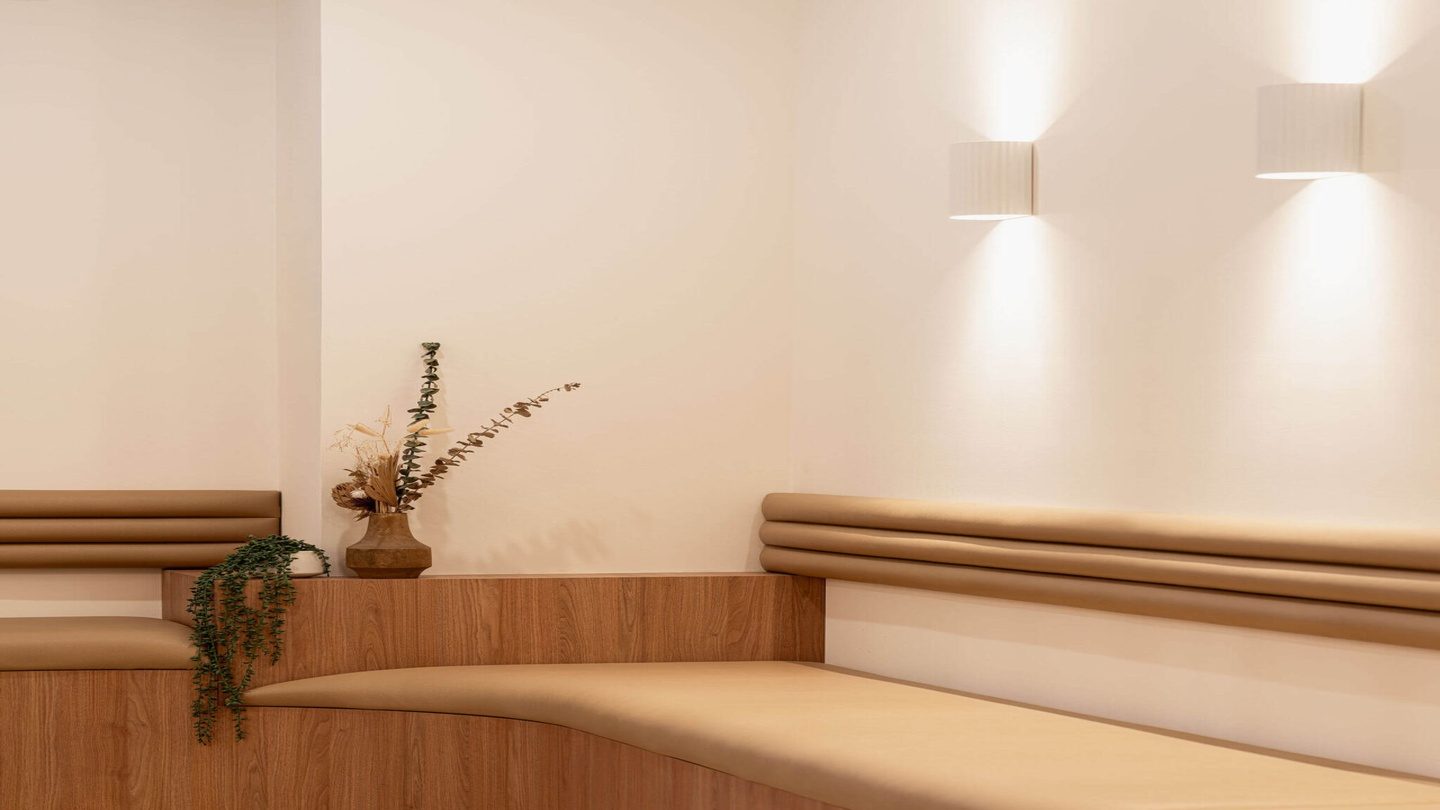
Start With the Basics: Is the Property Suitable?
Not every home works as a psychology clinic.
Before you sign anything, check:
- Zoning and council rules — Some properties require a Change of Use approval.
- Parking — Healthcare practices often need dedicated spaces.
- Accessibility potential — Can you create a step-free entry and accessible bathroom?
- Layout — Bedrooms can become consulting rooms, but look for good flow, privacy, and natural light.
These early checks can save you thousands later.
Approvals & Compliance: Don’t Skip This Step
Once you choose the right property, the next stage is approvals.
Psychology clinics must meet standards around:
- Fire safety
- Ventilation
- Accessibility
- Signage
- Acoustic privacy
This is where an experienced healthcare-fitout builder can guide you, especially on meeting code requirements inside a residential structure.
Check out our Free Guide!
Designing a Space That Feels Safe and Professional
A converted home can become an incredibly therapeutic environment when designed well.
Focus on:
- A calming waiting area with soft lighting and comfortable seating
- Consulting rooms with strong soundproofing and neutral décor
- Clear client flow from entry to session space
- A small staff breakout area for between-session resets
Keep the design simple, warm, and distraction-free.
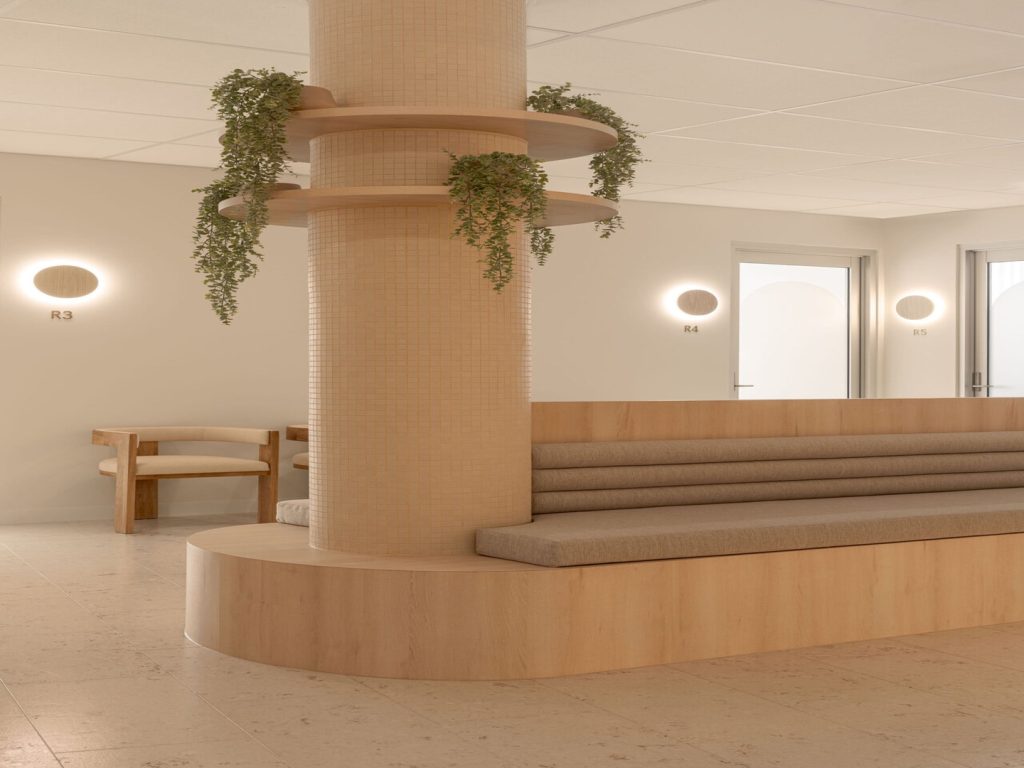
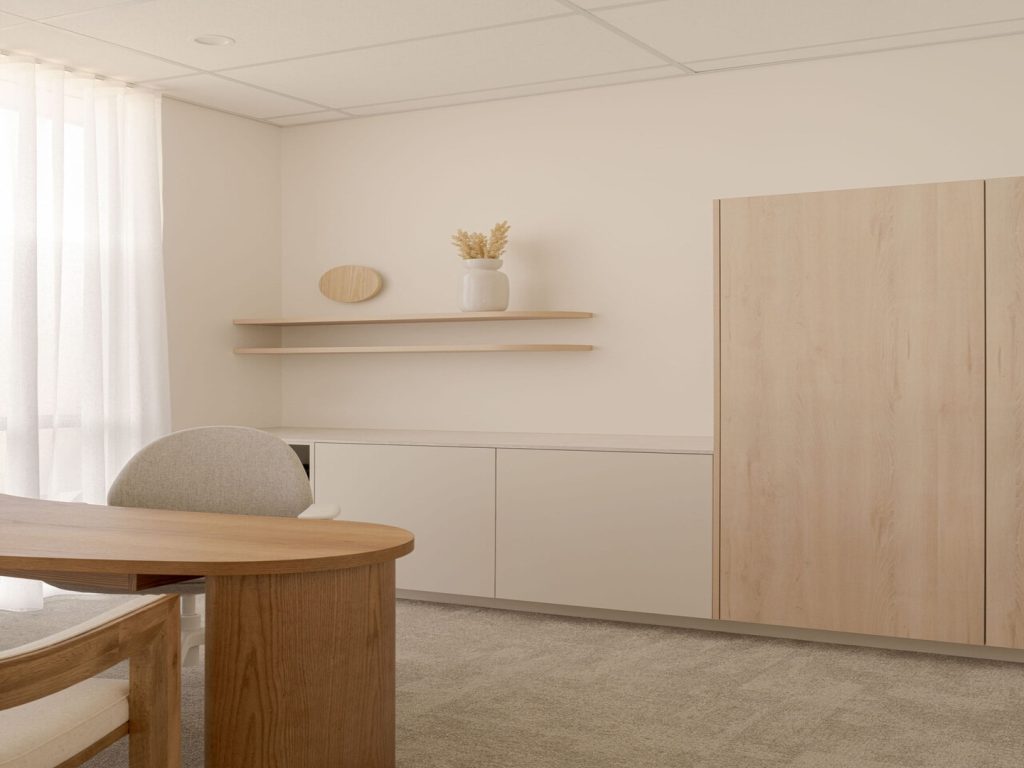
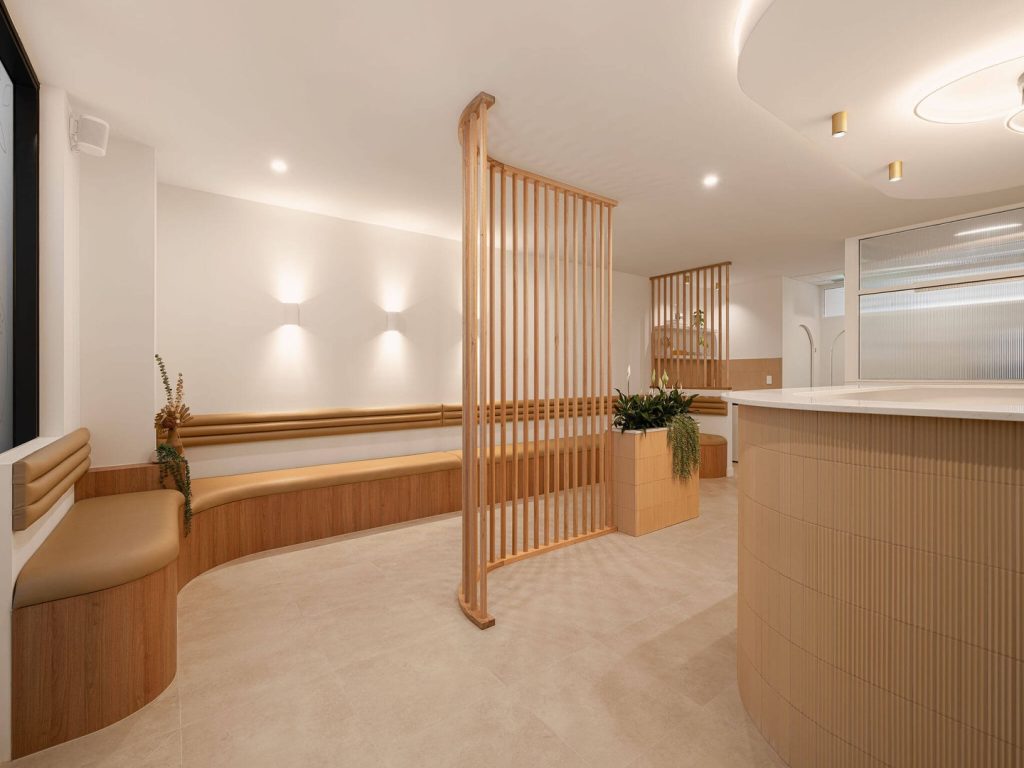
Confidentiality Starts With Good Soundproofing
Sound privacy is one of the biggest challenges in residential conversions.
Solid-core doors, insulated walls, acoustic plasterboard, and door seals create the quiet, confidential environment clients expect. This should be planned early, it’s hard to fix later.
Make Accessibility a Priority
Even small psychology clinics benefit from accessible design, and in many cases, it’s required.
Think: wider doorways, level entries, compliant bathrooms, and clear paths of travel. It’s good practice and helps make your clinic more inclusive.
Bringing It All Together With a Professional Fitout
The construction phase transforms the house into a clinic, reconfiguring walls, upgrading services, installing soundproofing, adding ramps, fitting cabinetry, and ensuring the space meets clinical standards.
With the right team, a residential property can become a warm, compliant, beautifully functioning psychology practice.
Take a look at some of our Recent Fitouts Here!
Want the Full Step-by-Step Checklist?
Converting a residential property into a psychology clinic is one of the most rewarding types of healthcare fitouts. It allows clinicians to create warm, welcoming spaces that enhance therapeutic engagement and client comfort.
But it’s also a process that requires care, planning, and expertise. When done correctly, the result is a practice that feels both professional and home-like: a space that supports both clients and clinicians for years to come.
Use this article as the overview and download our Free Checklist for everything psychologists need when converting a home into a clinic.