
Making Patient Information Part of the Practice Design
A waiting-room wall collects messages over time. One notice explains a booking policy. Another promotes a service. A third gives an important instruction. Each was added for a reason,...

The Small Detail That Makes a Consultation Room Feel Considered
A patient enters a consultation room carrying a handbag, a jacket and a folder. The visitor chair is clear, but the only nearby surface belongs to the clinician. The...
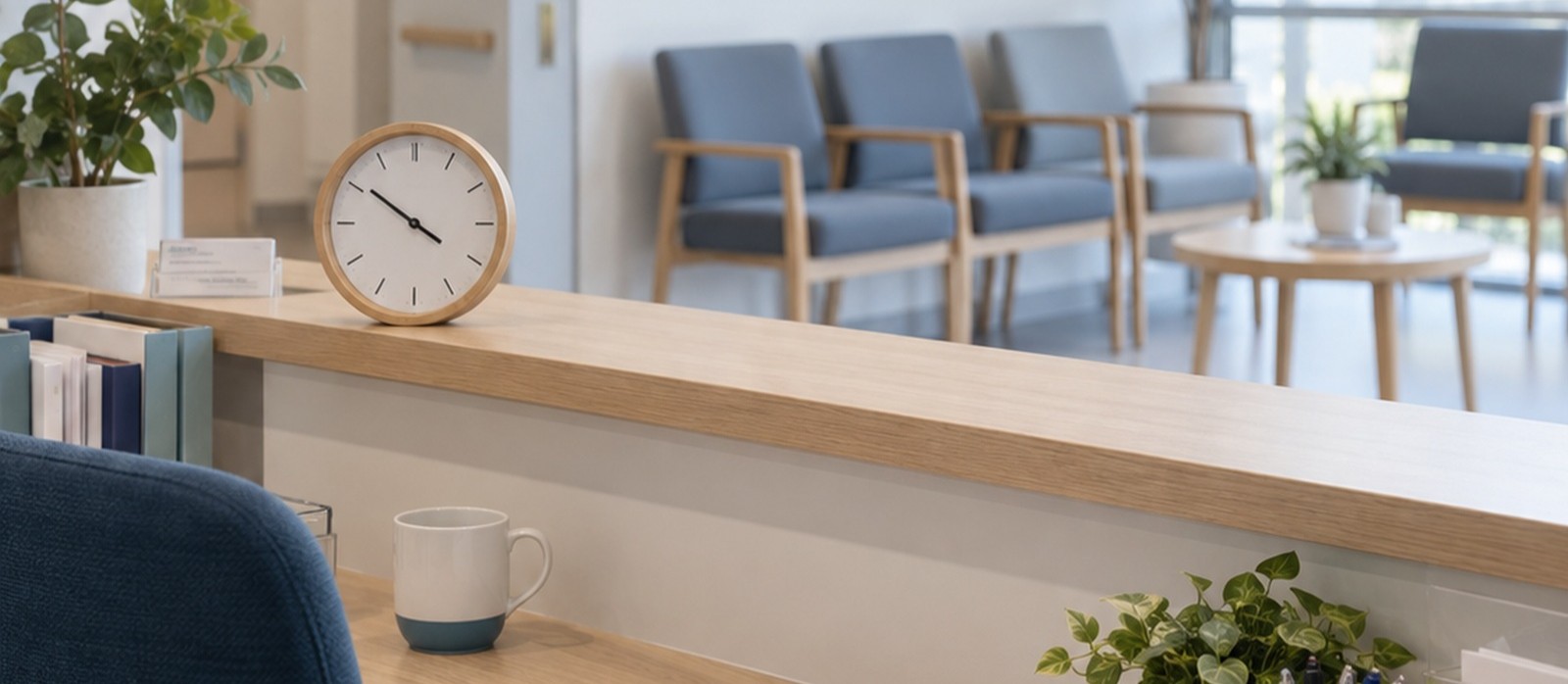
When the Appointment Runs Late, Can Your Waiting Room Support a Clear Update?
A patient has checked in, found a seat and put their phone away. Their appointment time passes. Each time a door opens, they look up. They are unsure whether...

Before You Approve the Clinic Joinery, Ask How One Worn Part Gets Replaced
A cabinet door in a consultation room is damaged. The rest of the unit is sound. Replacing that one part sounds straightforward, until the team discovers that the finish...

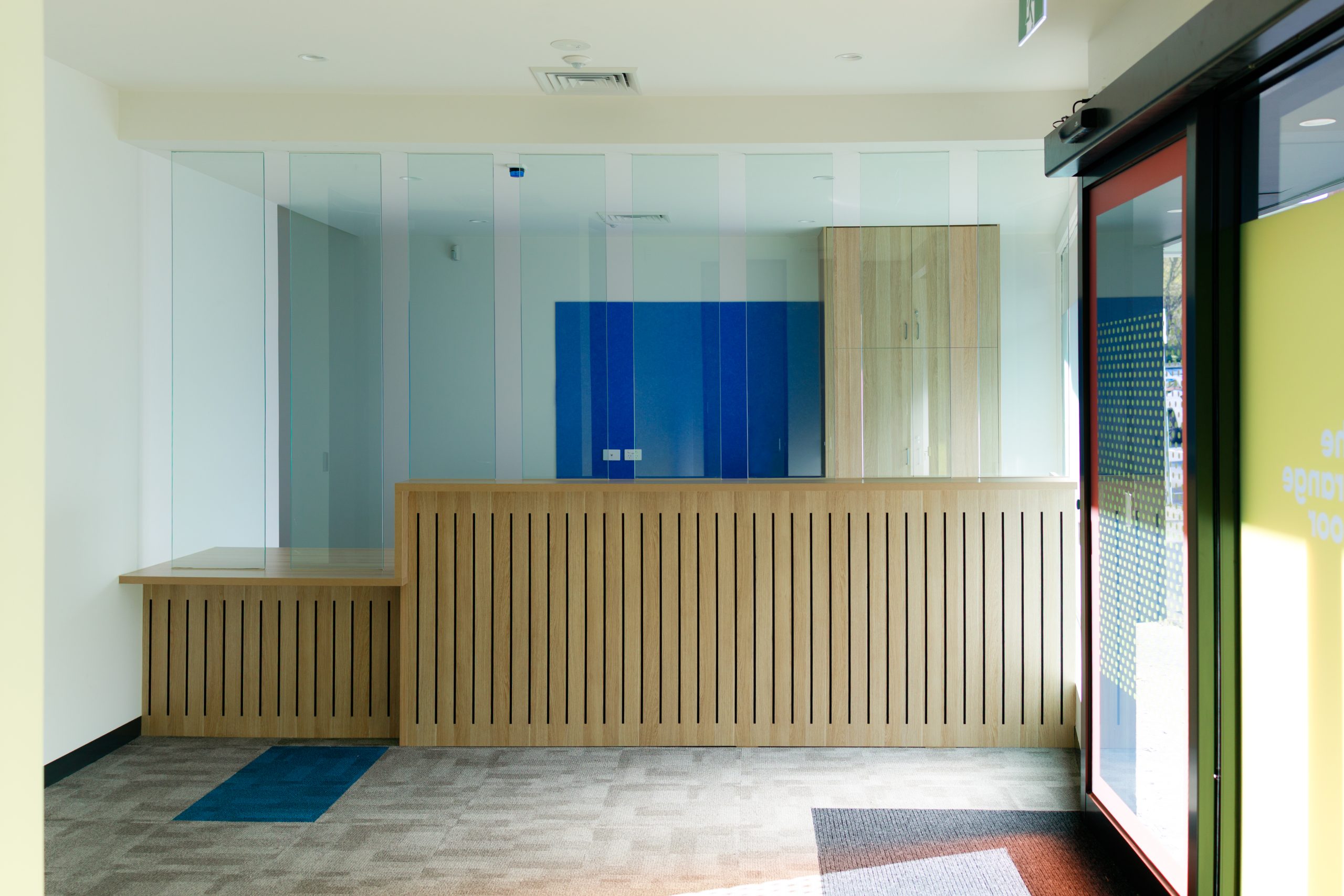
Planning a Clinic Entrance That Works Beyond the Screen
A patient arrives with an appointment confirmation on their phone, but cannot complete the check-in screen. The instructions are unfamiliar. The device is difficult to use from their seated...
The Minutes Between In-Person and Video Appointments Deserve a Design Brief
A patient leaves the consultation room. The next appointment is by video. Before that call can begin, the practitioner turns the monitor, moves a chair, finds the headset and...
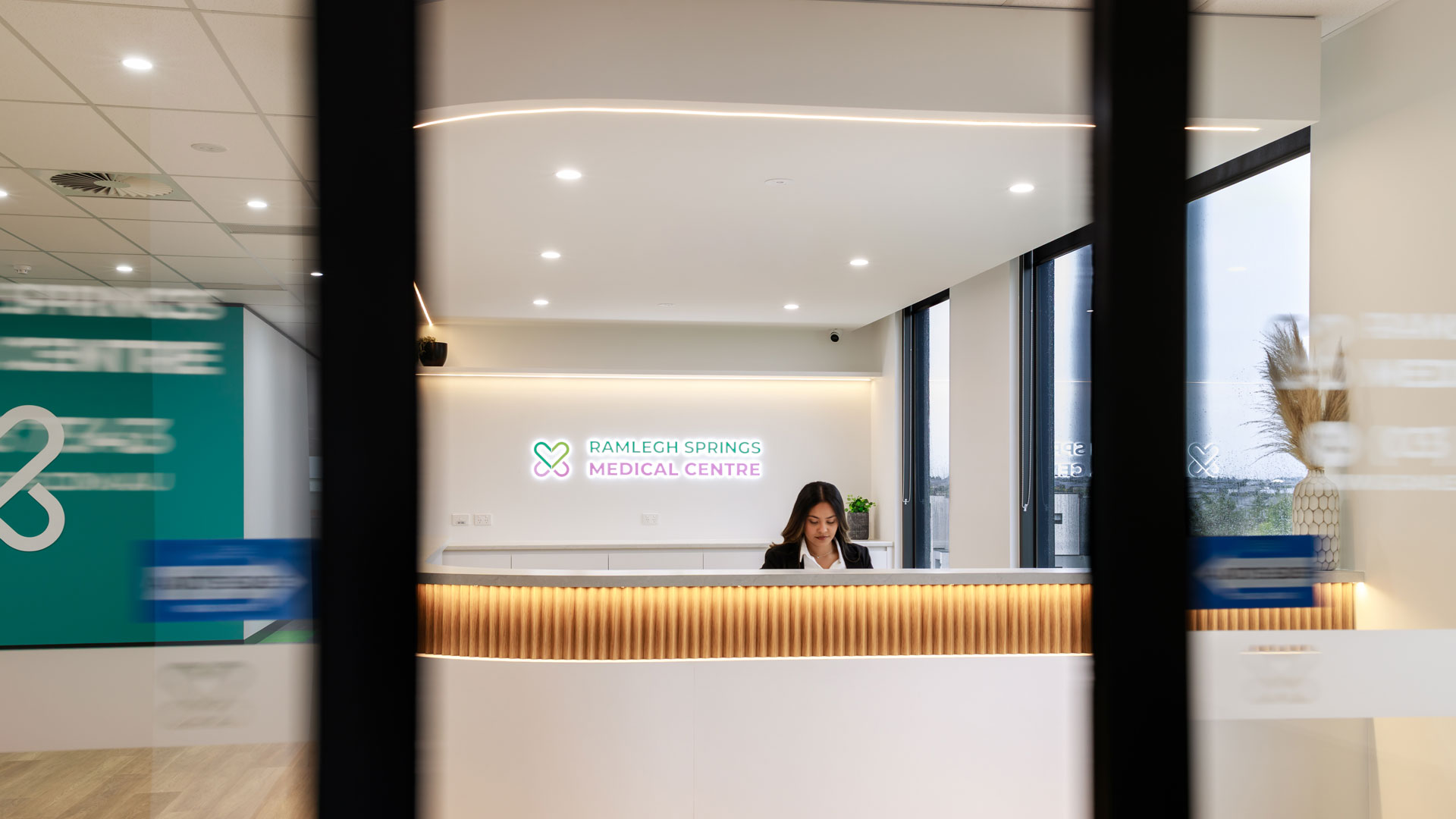
The Hidden Layout Problems That Quietly Drain Clinical Teams
Not every clinic problem announces itself clearly. Some issues are obvious. A waiting room is too small. A room is missing. A site has poor access. Those constraints are...
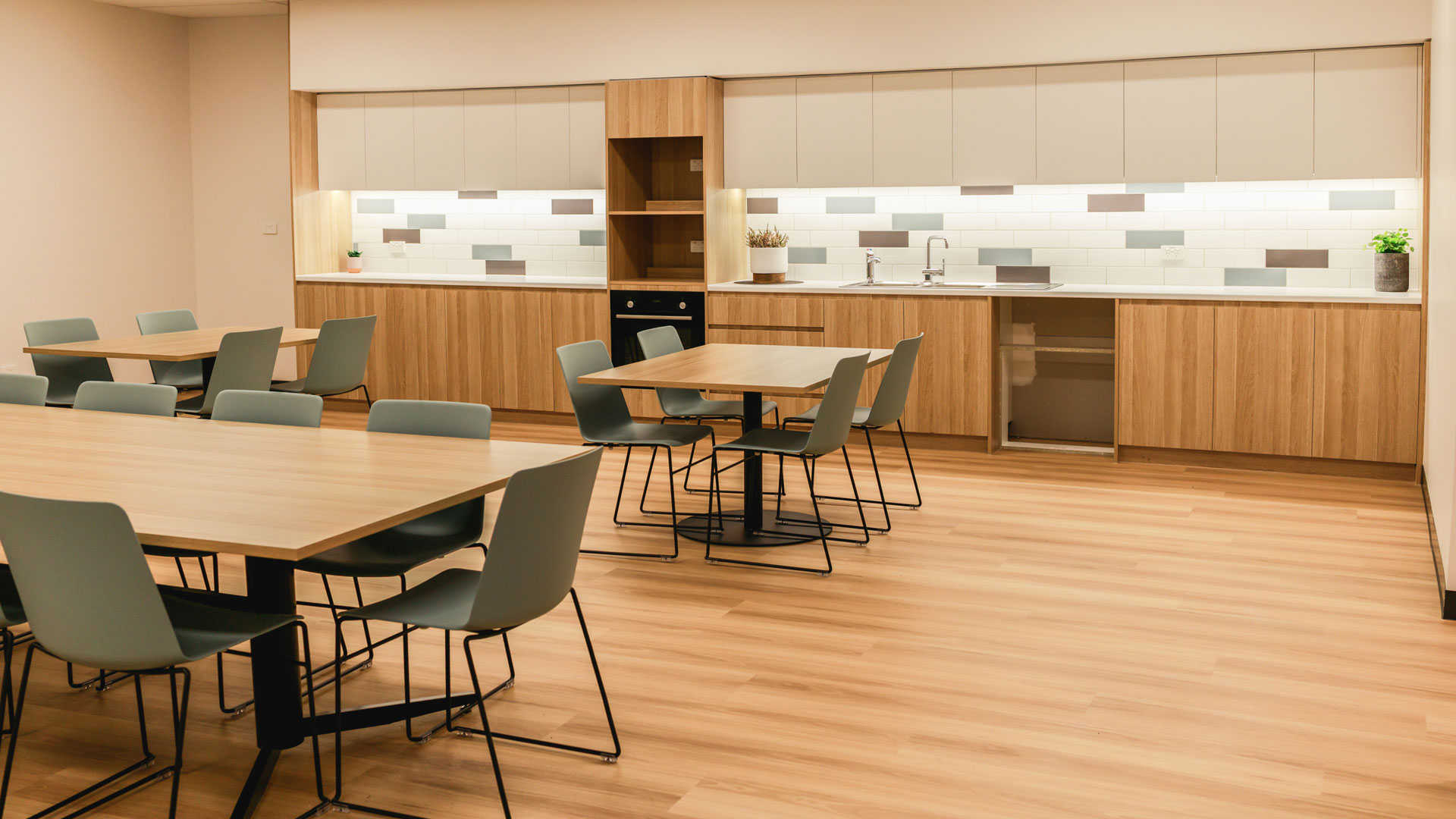
What Makes a Medical Practice Easier to Work In Every Single Day?
Many healthcare spaces are judged first by how they look to patients. That makes sense. First impressions matter. Calm, trust and professionalism all begin the moment someone arrives.But a...

The Design Phase of a Healthcare Fitout Is Really a Coordination Phase
Once the fitout brief is in place, many teams feel they are moving into the “creative” part of the project. That is partly true. The design phase is where...
Why the Briefing Phase Decides More Than Most Healthcare Fitout Teams Expect
When people describe the phases of a fitout project, the first stage often sounds deceptively simple. Get the brief together. Confirm the rooms. Establish the budget. Move into design....