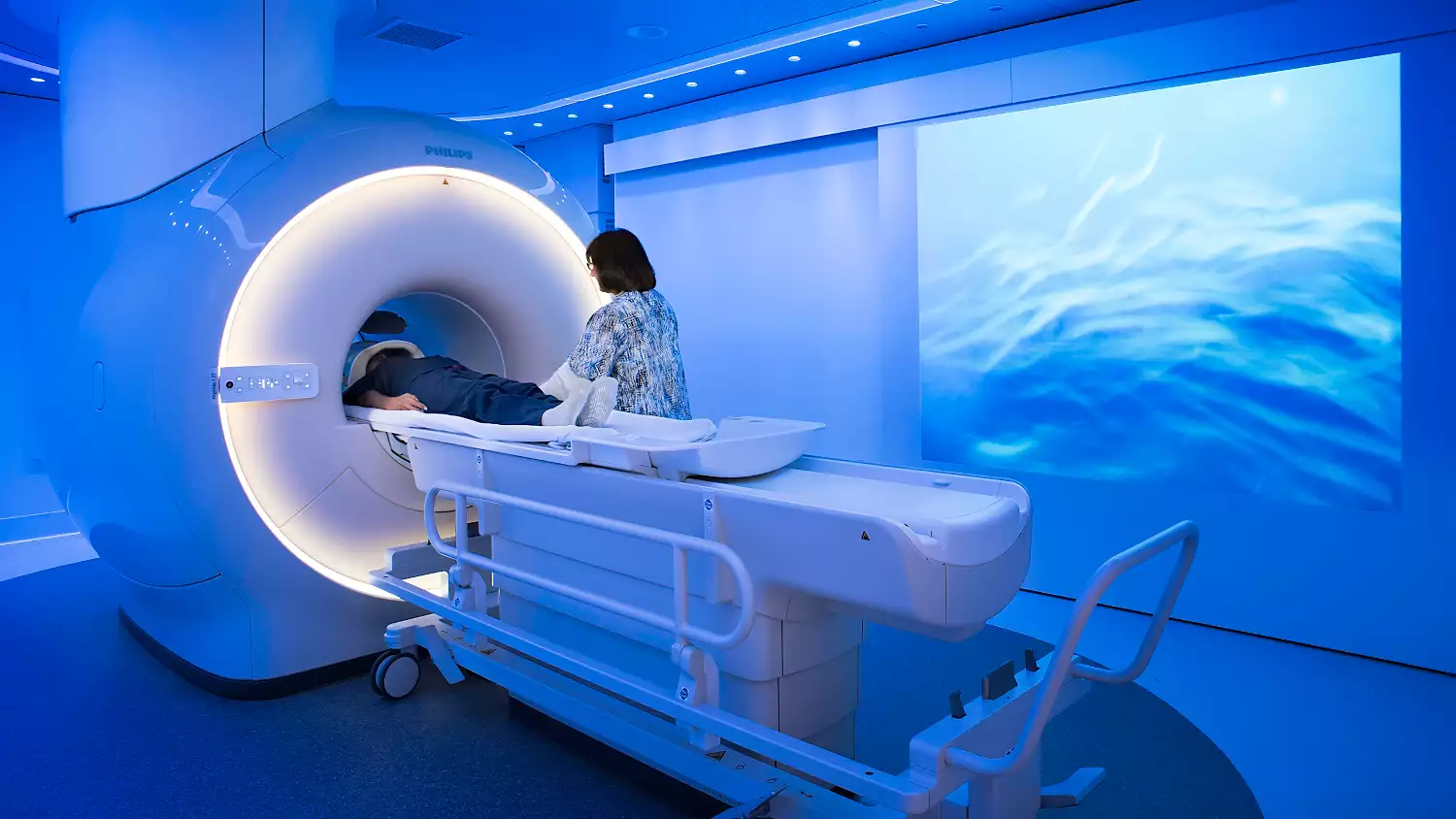
Modern radiology clinics are no longer simple healthcare spaces with a few imaging rooms added in. They are highly engineered environments where building design and advanced medical equipment must work together from the very beginning.
MRI, CT, and PET scanners are complex, heavy, and sensitive systems that place significant demands on a building’s structure and services. Successful delivery depends on early coordination between builders, engineers, equipment suppliers, and healthcare operators, long before construction begins.
When this coordination is done well, clinics benefit from smoother installations, fewer delays, and imaging environments that perform exactly as intended from day one.
Below are the key considerations when integrating advanced medical imaging equipment into building design.
Structural Requirements for Heavy Imaging Equipment
One of the first considerations in any radiology fitout is whether the building can physically support the equipment.
Imaging systems such as MRI and CT scanners can weigh several tonnes once installed, including associated shielding and support systems.
Key structural factors include:
- Floor loading capacity for concentrated equipment weights
- Slab thickness and reinforcement requirements
- Positioning of equipment relative to structural columns and footings
- Access routes for craning and installation of large components
If these requirements are not addressed early, significant structural upgrades may be required later, often adding cost and time to the project.
Vibration Control and Slab Reinforcement
Advanced imaging equipment is highly sensitive to vibration. Even minor movement in a building can impact image quality and diagnostic accuracy.
This makes vibration control a critical part of the design process.
Common solutions include:
- Structural isolation of imaging slabs from surrounding floors
- Installation of vibration dampening systems or pads
- Careful site selection away from heavy traffic or mechanical plant rooms
- Coordination with structural engineers to model movement impacts
Coordination Between All Project Stakeholders
Radiology fitouts require a high level of coordination between multiple specialists.
Unlike standard commercial projects, equipment selection often happens in parallel with design and construction.
Key stakeholders typically include:
- Builders and fitout contractors
- Structural and services engineers
- Equipment suppliers and manufacturers
- Radiation safety consultants and medical physicists
- Healthcare operators and radiologists
Early and ongoing collaboration helps ensure that equipment requirements are accurately reflected in the building design, reducing the risk of rework during installation.
Lead Shielding and Fixed Equipment Layouts
Radiation protection is a fundamental requirement in radiology environments. This often involves integrating lead lining or equivalent shielding into walls, doors, and sometimes ceilings.
Because shielding is permanent once installed, it must be carefully coordinated with:
- Equipment positioning and room layouts
- Wall construction sequencing
- Door and access point placement
- Service penetrations for electrical and data systems
Errors at this stage can be costly and difficult to correct once construction progresses.
Power, Cooling, and Data Infrastructure
Modern imaging equipment places heavy demands on building services. These systems are just as important as the physical space itself.
Key requirements include:
- Dedicated high-capacity electrical supply for imaging systems
- Backup power solutions for critical continuity
- Advanced HVAC systems to manage heat loads from equipment
- Stable temperature and humidity control for performance reliability
- High-speed data infrastructure for imaging transfer and reporting
These systems must be designed early, as they often influence overall building layout and plant room sizing.
Sequencing Construction and Equipment Installation
The final stage of integration is planning how construction aligns with equipment delivery and installation.
Imaging equipment is typically installed late in the construction program, but requires early preparation to ensure smooth delivery.
This includes:
- Protecting finished areas prior to installation
- Ensuring clear access routes for delivery and craning
- Coordinating installation timing with certification and commissioning
- Aligning builder handover with equipment supplier readiness
Careful sequencing reduces downtime and helps avoid delays during commissioning.
The Result
Integrating advanced medical imaging equipment into building design is a highly technical process that relies on early planning, precise coordination, and strong communication between all project partners.
When done properly, it results in a radiology environment that performs efficiently, supports advanced technology, and delivers reliable outcomes for both clinicians and patients.
For healthcare providers, engaging experienced medical fitout specialists early in the process is one of the most effective ways to ensure complex imaging requirements are successfully delivered without compromise.