What to Consider When Planning a Medical Fitout in Australia
Planning a medical fitout is one of the most significant decisions you’ll make for your practice. Get it right, and you’ll have a space that supports your clinical team, puts patients at ease, and keeps you compliant for years to come. Rush it, and you’ll be dealing with costly rework, compliance delays, and a layout that fights you every single day.
Here’s what to focus on when planning your fitout, whether you’re setting up a new clinic or refreshing an existing space.
Key Takeaways
- Compliance isn’t optional. Australian healthcare fitouts must meet specific building codes and health facility guidelines that go well beyond standard commercial fit-outs
- Your layout should be designed around clinical workflow, not just aesthetics
- Different clinic types have different design requirements
- Engaging a specialist healthcare builder early is one of the most important decisions you’ll make
- A turnkey approach reduces risk and keeps your project moving without you managing a dozen different contractors
Compliance Is the Foundation, Not an Afterthought
Before any design decisions are made, compliance needs to be on the table. Medical fitouts in Australia are governed by a layer of standards that standard commercial builders often aren’t across.
At minimum, your fitout must comply with the National Construction Code (NCC), the Disability (Access to Premises – Buildings) Standards, and relevant local council requirements. On top of that, healthcare fitouts are shaped by the Australasian Health Facility Guidelines (AusHFG), a comprehensive framework that covers room sizing, clinical zone separation, infection control principles, ventilation requirements, and more.
Miss one of these, and you’re looking at delays, redesigns, and additional costs. The smartest thing you can do is engage a builder who already knows this landscape inside out.
Design for Workflow, Not Just Appearance
A beautiful fitout that creates workflow bottlenecks is a problem you’ll feel every single shift. Patient flow, staff movement, and the positioning of clean versus contaminated zones all need to be resolved at the design stage, not after construction starts.
Think about:
- How patients move from reception through to consulting rooms and back out
- Where staff need to access equipment, supplies, and records throughout the day
- How clean and soiled zones are separated (a key infection control requirement)
- Whether consultation rooms allow for privacy without creating dead-end corridors
Every unnecessary step your team takes during a busy day adds up. Thoughtfully designed healthcare spaces can help to reduce staff fatigue, improve patient experience, and support better clinical outcomes.
Different Clinic Types, Different Requirements
This is where many fitout projects go wrong. A general practice, a dental clinic, and a veterinary clinic all operate under different spatial, compliance, and equipment requirements. Using a generalist approach across all three leads to compromises that you’ll live with indefinitely.
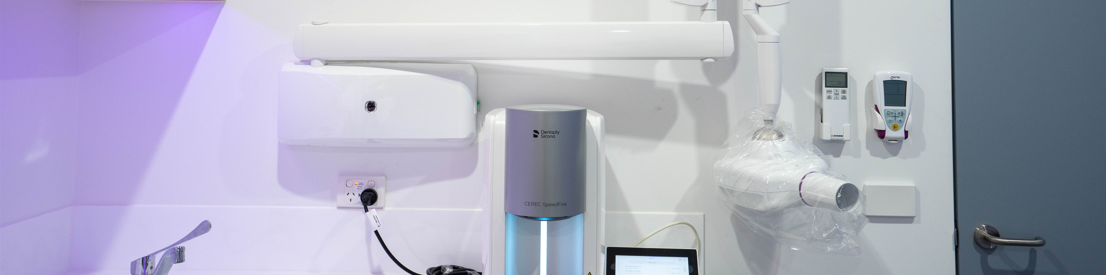
Dental fitouts require specific considerations around chair positioning and ergonomics, suction and plumbing infrastructure, sterilisation and instrument reprocessing areas, and lead-lining where X-ray equipment is involved.
Veterinary fitouts introduce a different set of demands entirely: species separation in waiting areas, kennelling ventilation and drainage, surgical theatre design, and the acoustic management of a space that can get loud. Design elements such as lighting, colour, temperature, and sound-dampening also play a measurable role in reducing animal stress during visits.
Each discipline has its own body of standards, workflow logic, and equipment requirements. The fitout process needs to reflect that.
Plan for Technology From Day One
It’s far easier to run cables and build infrastructure before walls go up than to retrofit it later. Think through your IT network, clinical software terminals, integrated imaging equipment, patient call systems, and any anticipated telehealth infrastructure.
Technology in healthcare evolves quickly. Designing with flexibility in mind saves significant money down the track.
The Case for a Single Specialist Partner
One of the most consistent sources of fitout pain is having too many separate parties who don’t communicate cleanly with each other. Scope gaps emerge, timelines slip, and you end up managing the coordination yourself.
Working with a single specialist who manages the entire process from concept through to completion removes that friction. You get clarity on timelines and budgets, consistent accountability, and a team that already knows how healthcare spaces should work.
Start With a Design Conversation
The planning phase is where the best fitouts are made. It’s a time to talk through your clinical model, growth plans, equipment wish list, and any constraints your tenancy or site might pose.
At SoulMED, we work with healthcare professionals across Victoria to bring medical, dental, and veterinary clinics from concept to completion. If you’re in the early stages of planning, we’d love to talk through what’s possible for your space. Get in touch with our team to start the conversation.