Why Intentional Design Is Redefining Healthcare Fitouts
As we enter 2026, medical clinic design trends are shifting toward more intentional, human-centred healthcare environments. Today’s clinics are no longer designed purely for function, they are carefully considered spaces that support patient wellbeing, practitioner performance, and long-term operational success. From sustainable material choices to seamless technology integration, premium medical fitouts are redefining what quality means in healthcare design, proving that thoughtful, purpose-driven design delivers lasting value.
Premium doesn’t mean luxury finishes or excess, it means clarity, purpose, and intentional design decisions.
Spaces that feel fresh today and still make sense five years from now.
1. From Trends to Authenticity: Clinics with Purpose
Healthcare clients are moving away from short-lived design trends and toward authentic, values-driven environments. In medical design, this means clinics that feel calm, human, and aligned with the way practitioners work and patients experience care.
Rather than copying what’s popular, clinics are being designed around:
- The specific workflow of the practice
- The emotional journey of patients
- The identity and philosophy of the clinicians
This approach results in spaces that are timeless rather than trendy, and far more resilient to change. Authentic design also allows for deeper storytelling — clinics feel intentional, not generic, and that builds trust from the moment a patient walks in.


2. The Rise of Design Literacy in Healthcare Clients
Medical professionals today are more design-literate than ever. Many have researched materials, sustainability, technology, and spatial planning long before the fitout process begins.
What’s changed is why they care.
Design is no longer about prestige or appearances — it’s about:
- Supporting long working hours
- Reducing cognitive and emotional stress
- Creating spaces that feel grounded, calm, and efficient
In 2026, successful medical fitouts prioritise how a space feels, not just how it looks. Waiting rooms are designed to lower anxiety. Consultation rooms support privacy and connection. Staff areas promote restoration, not just utility.

3. Sustainability as a Standard, Not a Feature
Sustainability in healthcare design has shifted from a “nice to have” to an expectation. Clients are increasingly aware that materials, energy use, and lifecycle decisions have long-term consequences — financially, environmentally, and operationally.
Key sustainability considerations in modern medical fitouts include:
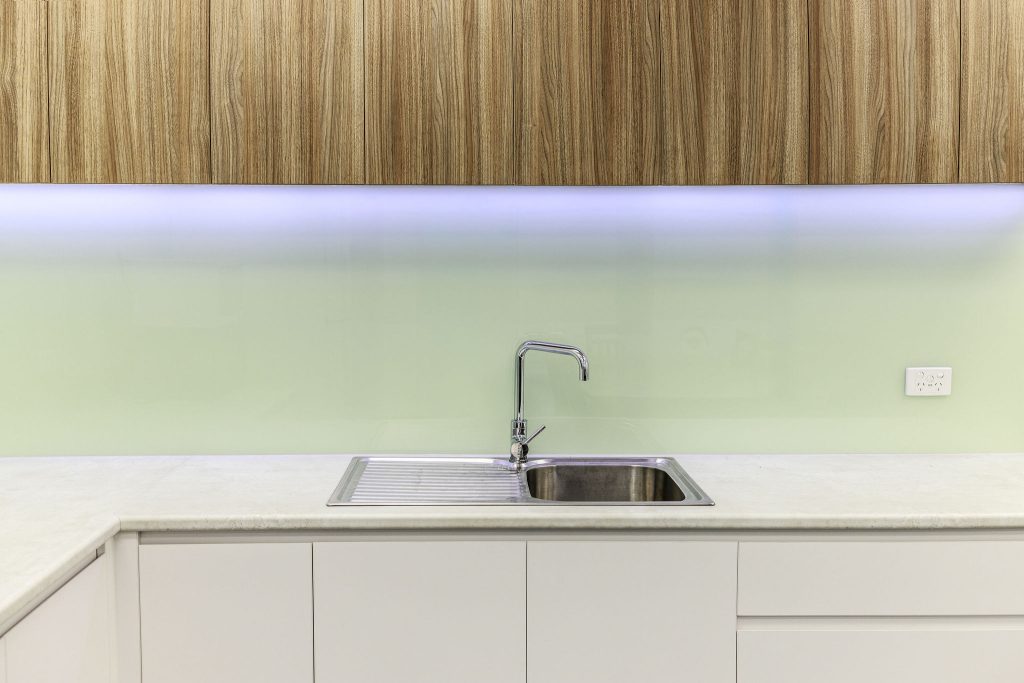
- Durable, low-maintenance materials with long lifespans
- Efficient lighting and HVAC systems that support comfort and compliance
- Smarter layouts that reduce waste during construction and future refurbishments
Importantly, sustainability in 2026 is about quiet responsibility, not visual statements. Thoughtful choices are embedded into the design, supporting both the planet and the clinic’s long-term performance.


4. Invisible Technology: Smart Clinics That Feel Simple
Technology continues to evolve rapidly, but the most important trend in medical design is technology that disappears.
Rather than flashy systems, clinics are embracing:
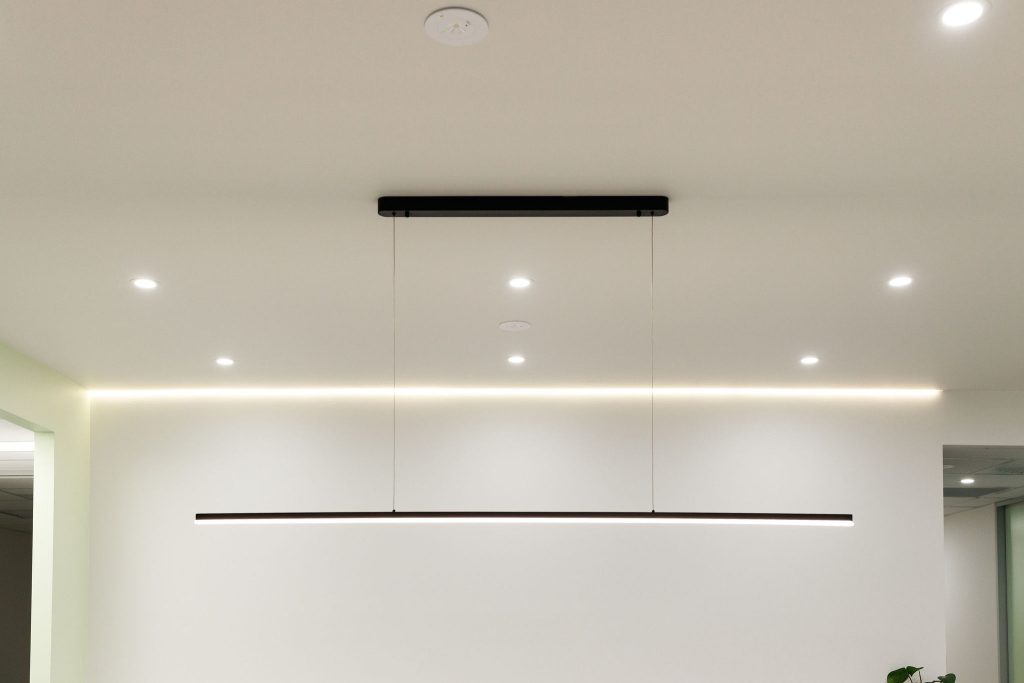
- Intuitive lighting that supports circadian rhythms
- Seamless climate control that adjusts without constant intervention
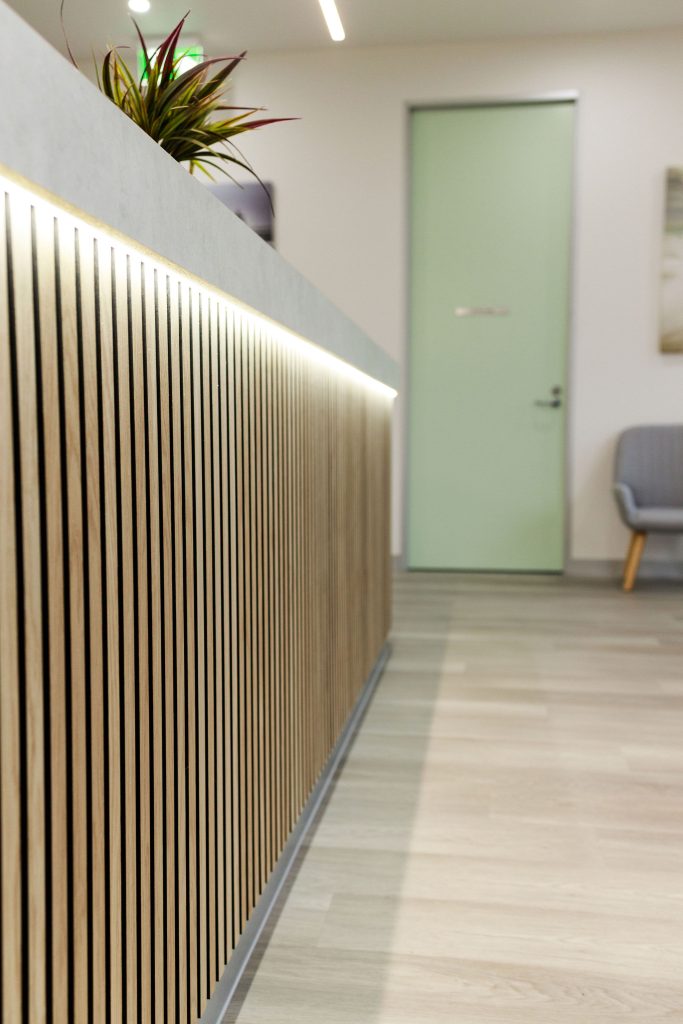
- Integrated power, data, and charging solutions built into joinery
The goal is calm efficiency. Technology should support clinicians and patients without drawing attention to itself or adding complexity. When done well, smart systems enhance care delivery while keeping the environment serene and uncluttered.
5. Early Collaboration: The Foundation of Premium Outcomes
One of the biggest challenges in medical fitouts remains alignment — between design vision, construction realities, and technology integration. In 2026, the most successful projects are those where design, build, and technology partners collaborate from the very beginning.
Early alignment allows for:
- Better budget control without compromising intent
- Buildable detailing that preserves design quality
- Seamless integration of technology into architecture
This collaborative approach transforms potential friction into a coordinated process, ensuring the finished clinic reflects the original vision — not a diluted version of it.

6. Innovation and Timelessness Can Coexist
In healthcare design, innovation doesn’t need to come at the expense of longevity. In fact, the best medical fitouts balance both.
Timeless design is achieved through:
- Clear spatial planning
- Honest material selection
- Respect for proportion, light, and flow
Innovation, when applied thoughtfully, enhances these fundamentals rather than overshadowing them. The result is a clinic that feels current today — and will continue to perform without needing constant reinvention.

Designing Clinics for the Future of Care
As expectations continue to evolve, one thing is clear: medical clinics are no longer exempt from good design. Patients, practitioners, and staff all benefit from environments that are intentional, human-centred, and intelligently built.
Premium medical design isn’t about luxury — it’s about awareness, purpose, and execution. When design quality, construction expertise, and technology work together, clinics become spaces that truly support wellbeing, care, and longevity.
And that’s the future of medical fitouts in 2026.