Reception areas are the heart of any medical practice, whether you’re running a GP clinic, dental surgery, radiology practice, specialist rooms, or allied health facility. But they also represent one of the most high-risk zones, where staff interact with patients who may be distressed, unwell, confused, or in heightened emotional states.
With increasing focus on workplace health and safety within the Victorian healthcare sector, medical practices are seeking stronger, compliance-led design solutions to better protect staff and patients.
This article explores practical, compliant and highly effective reception security strategies, and how thoughtful design during a medical fitout can significantly improve safety without compromising warmth, trust or patient experience.
Why Reception Security Matters in Healthcare Settings
Front-of-house staff are often the first to interact with patients who may be:
- distressed, anxious or in pain
- mental health challenges
- medication side-effects
- stress from wait times or clinical uncertainty
Victorian health bodies such as WorkSafe Victoria emphasise the need for safe, well-designed environments that reduce the risk of occupational violence in healthcare:
Healthcare reception areas must therefore be designed to be welcoming, but also robust enough to reduce risk.
A well-designed reception area prioritises:
- staff protection and patient privacy
- controlled access to clinical areas
- safer emergency response pathways
7 Key Security Features for Modern Medical Clinic Receptions
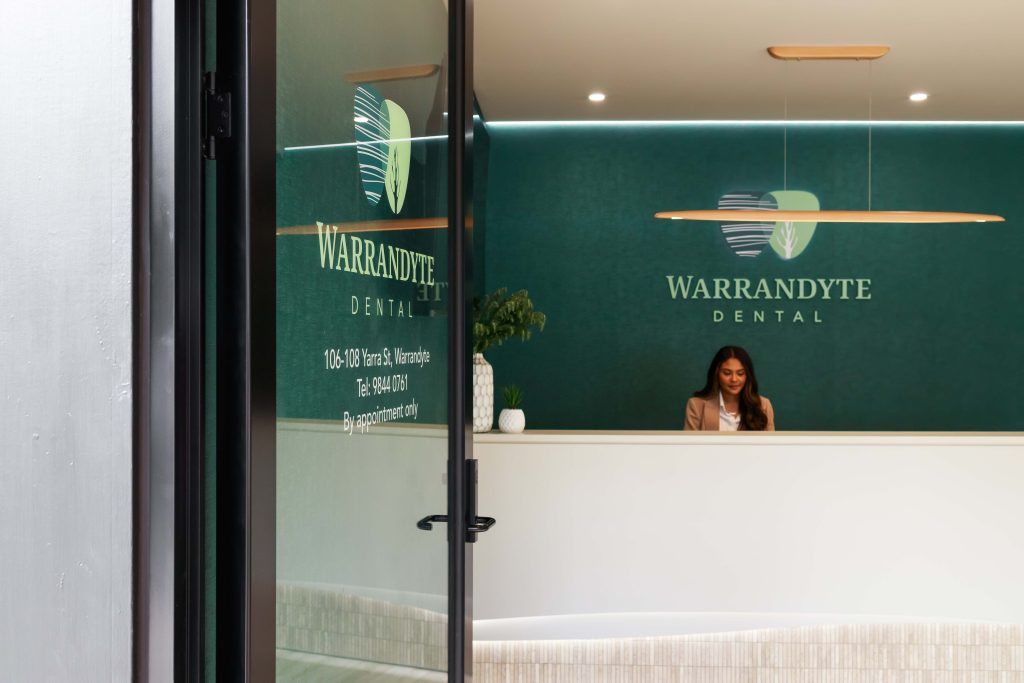
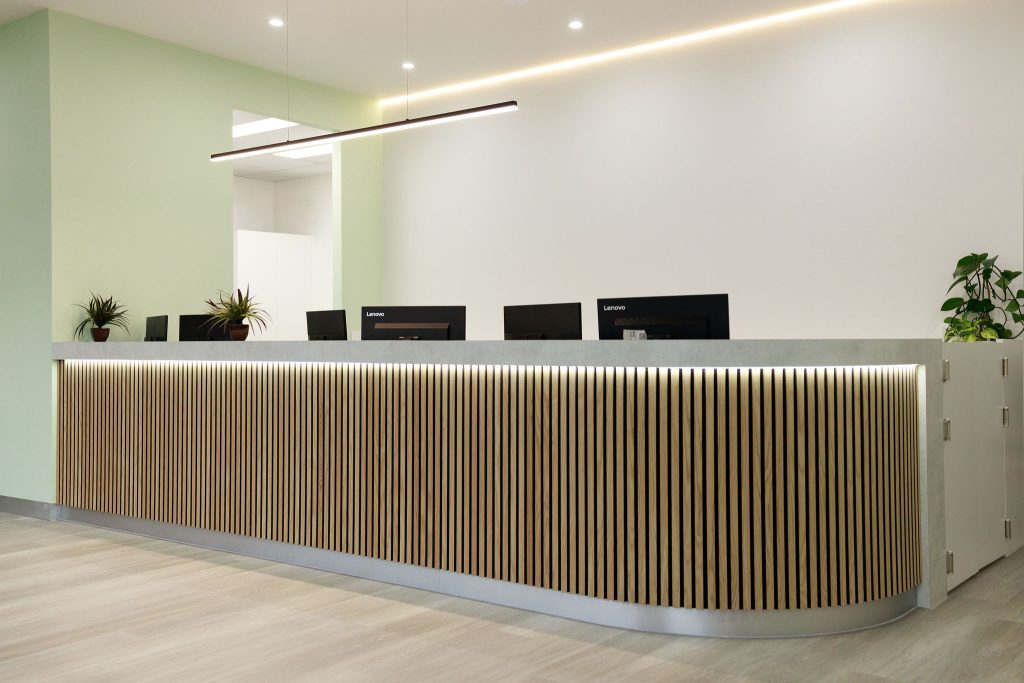
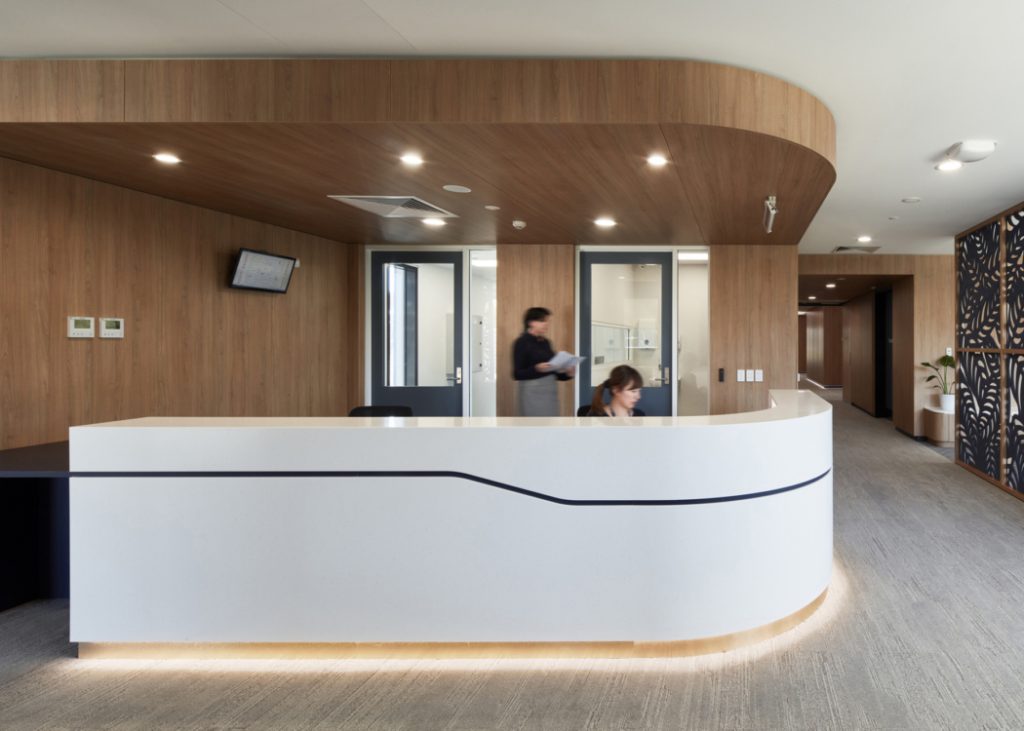
1. Safety Screens: Blending Protection With Patient-Friendly Design
Safety screens (also called reception shields or protective barriers) are becoming increasingly common in Victoria’s medical clinics, not just for infection control but also for preventing physical aggression.
Benefits include:
- increased staff protection
- clearer separation of clinical and public zones
- improved hygiene and infection control
- enhanced privacy during patient check-in
The Australian Government Department of Health highlights the importance of safe, hygienic environments in clinical settings.
Today’s screens can be designed to remain aesthetically clean and modern, matching your clinic’s brand and maintaining a calm, reassuring feel.
2. Controlled Access to Back-of-House and Treatment Areas
A secure reception design ensures patients cannot inadvertently or intentionally enter sensitive areas.
Common safety features include:
- Swipe-card or keypad access doors
- Automated locking systems
- Dual-door vestibules
- Positioning of staff exits
- Controlled access dispensaries or sterile storage
These measures help clinics align with the Australian Standards for Healthcare Facilities , and not only enhances security but also improves operational flow, ensuring staff can move safely between zones.
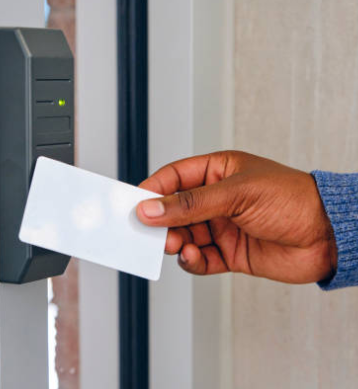
3. Panic Buttons and Duress Alarms
Many Victorian medical facilities now incorporate discreet duress systems linked to:
- local security teams
- onsite management
- emergency services
- internal alert systems
These can be integrated directly into your fitout, positioned at reception counters, under desks, and within key clinical zones.
4. CCTV Placement That Respects Privacy and Enhances Safety
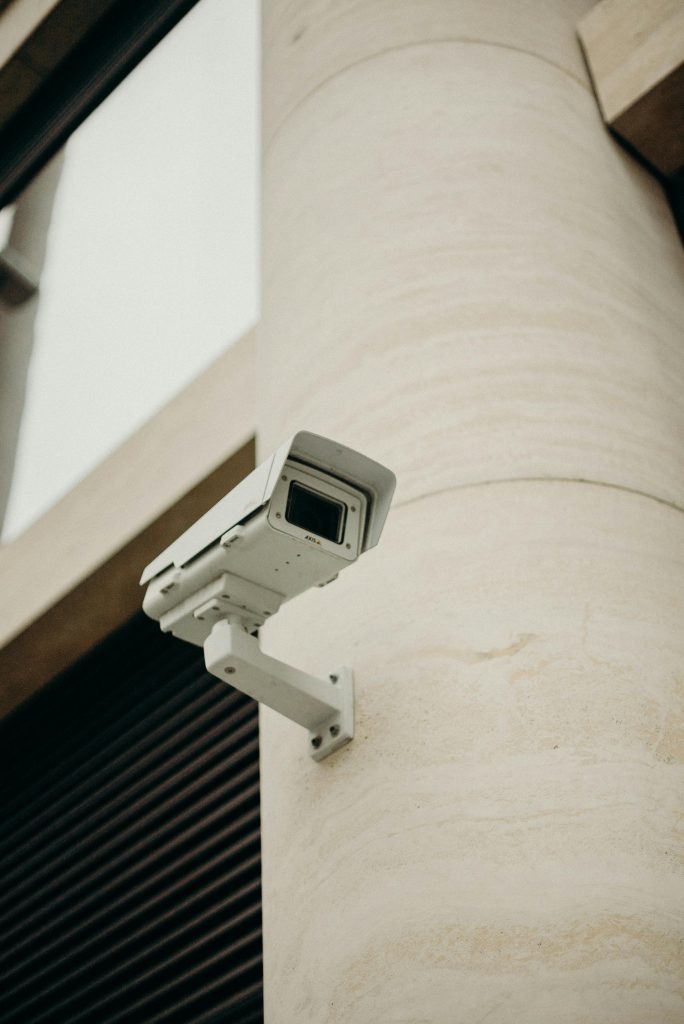
CCTV is a powerful deterrent, but must be installed carefully to meet Victorian privacy legislation, especially for medical environments.
CCTV is most effective in:
- entrances and exits
- waiting areas
- reception desks
- pharmacy or dispensary zones
- staff-only corridors
A compliant fitout ensures cameras are positioned to maximise safety without compromising patient confidentiality.
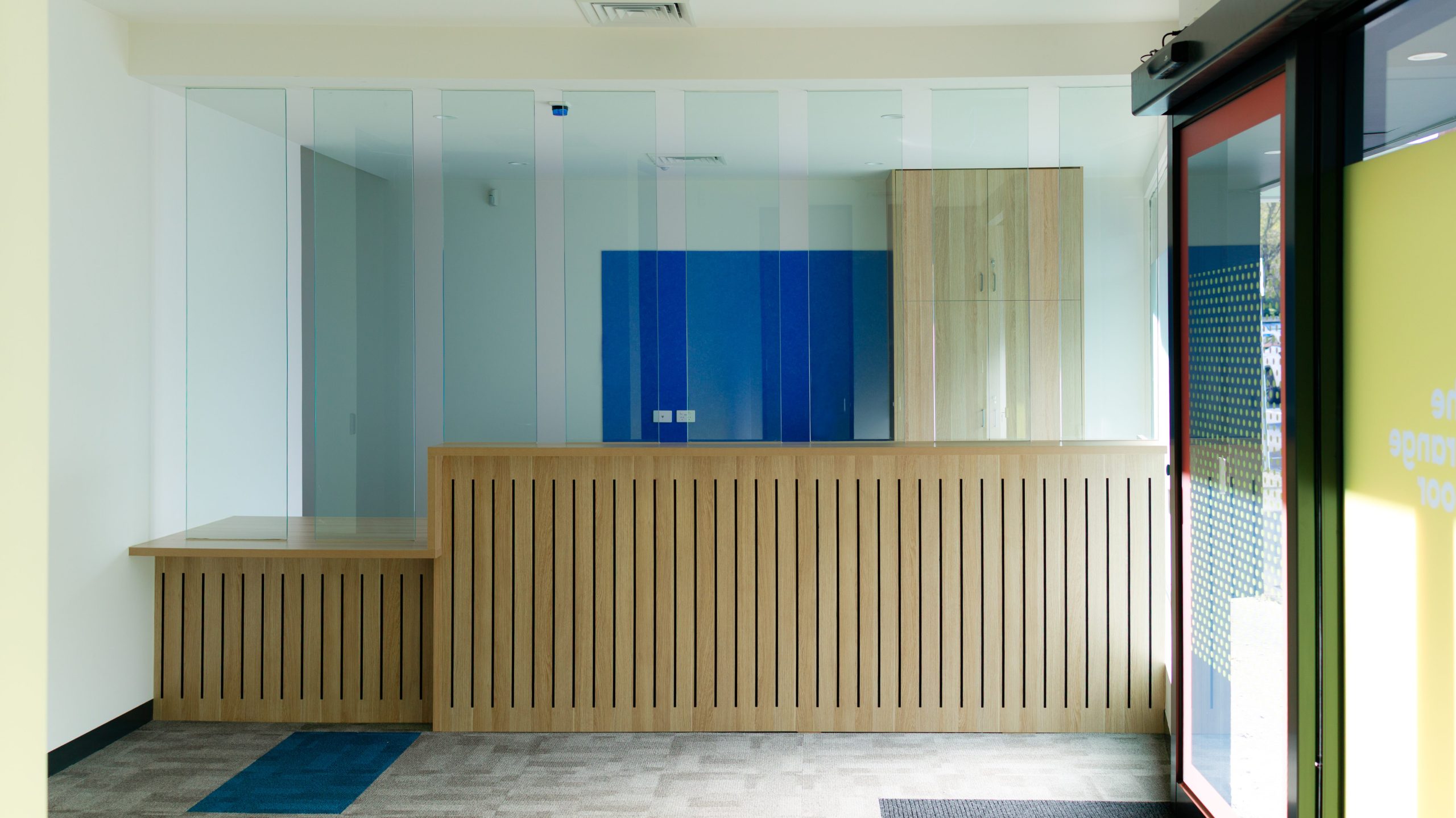
5. Reception Desk Design That Supports Safety & Patient Care
The right reception design supports both safety and smooth patient flow. Key design considerations include:
- Desk height that offers staff protection without creating barriers
- Clear sightlines to waiting areas and entry points
- Secure under-bench lockable storage
- Recessed computer screens for privacy
- Built-in cable management to remove trip hazards
Good design reinforces both safety and efficient workflows.
6. Lighting & Acoustics That Reduce Stress and Improve Visibility
Bright, even lighting helps staff maintain visibility and reduces patient anxiety. Good acoustic design prevents the type of noise build-up that can increase stress triggers in medical spaces.
7. Wayfinding That Prevents Bottlenecks and Confusion
Clear directional signage, flooring cues, and visual markers help patients move easily through your space. Good wayfinding reduces:
- crowding in high-risk zones
- patient frustration
- the likelihood of conflict or confusion
This is especially important for multidisciplinary medical centres, radiology clinics, and dental practices where multiple services operate in one location.
Building a Safe Medical Reception Area Starts at the Fitout Stage
Reception safety should be integrated from the earliest planning stage.
At SoulMed, we specialise in medical fitouts across Victoria, handling everything from:
- Victorian Building Regulations
- Australian healthcare facility standards
- Occupational violence and aggression guidelines
- Infection control guidelines
- Accessibility and DDA compliance requirements
- Privacy and CCTV legislation
Our team works to ensure every clinic we design and build meets the latest Victorian safety, accessibility and healthcare compliance standards, including reception security, duress systems, access control and patient-safe layouts.
You can explore our complete, step-by-step approach Here.
If You’re Planning a New Clinic or Reception Upgrade
We’d be happy to help guide you through the process, whether you’re running a GP clinic, dental practice, specialist rooms, radiology suite, physio clinic or allied health centre.