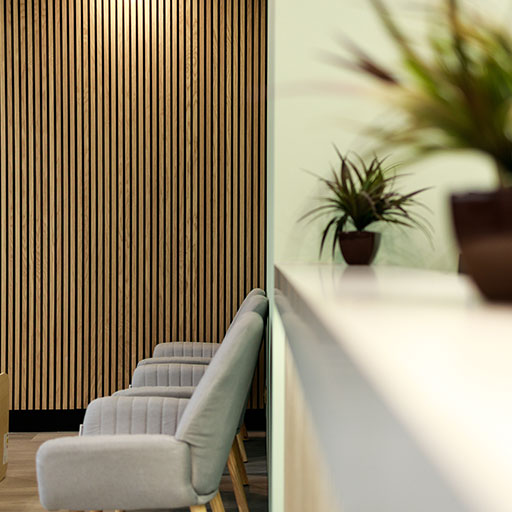
Endocrinology clinics sit in a unique space within healthcare design. They’re not defined by high-turnover procedures or large surgical footprints, but by something more ongoing and relational: long-term patient care.
Because patients often return over many years for chronic condition management, the clinic environment becomes part of that relationship. It needs to feel consistent, calm, and clinically efficient, while also supporting evolving models of care, digital health integration, and multidisciplinary collaboration.
Designing and building these spaces well requires a careful balance between clinical function, patient experience, and future adaptability.
1. The Clinic as a Long-Term Care Environment
Unlike procedural specialties, endocrinology relies heavily on continuity. Patients may attend regular consultations for years, meaning the environment must support familiarity and trust.
This influences design decisions such as:
- Consistent consultation room layouts that feel familiar on return visits
- Calm, non-institutional aesthetics that reduce clinical anxiety
- Logical, easy-to-navigate patient flow for repeat attendance
- Waiting areas designed for comfort during ongoing care journeys
The clinic becomes more than a workplace, it becomes a consistent point of contact in a patient’s health journey.
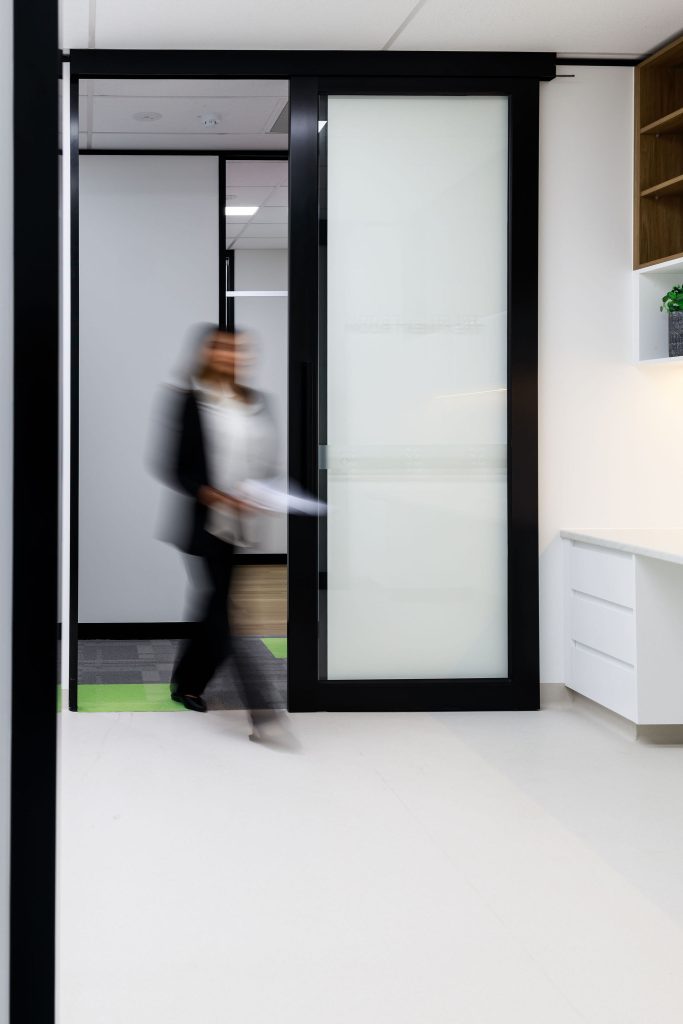
2. Consultation Rooms as the Core Clinical Space
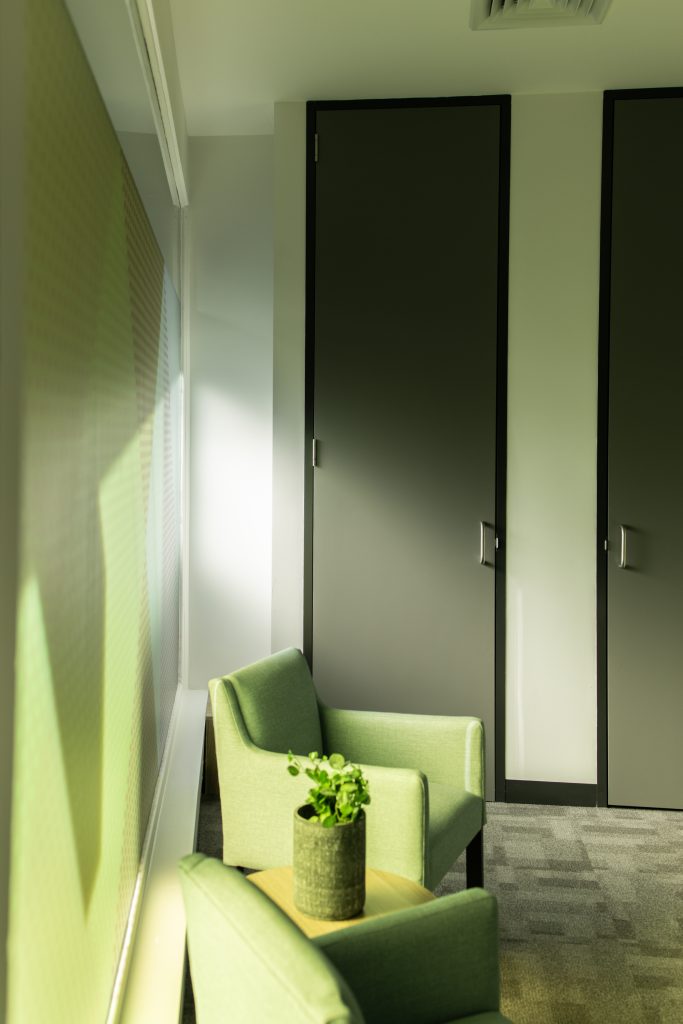
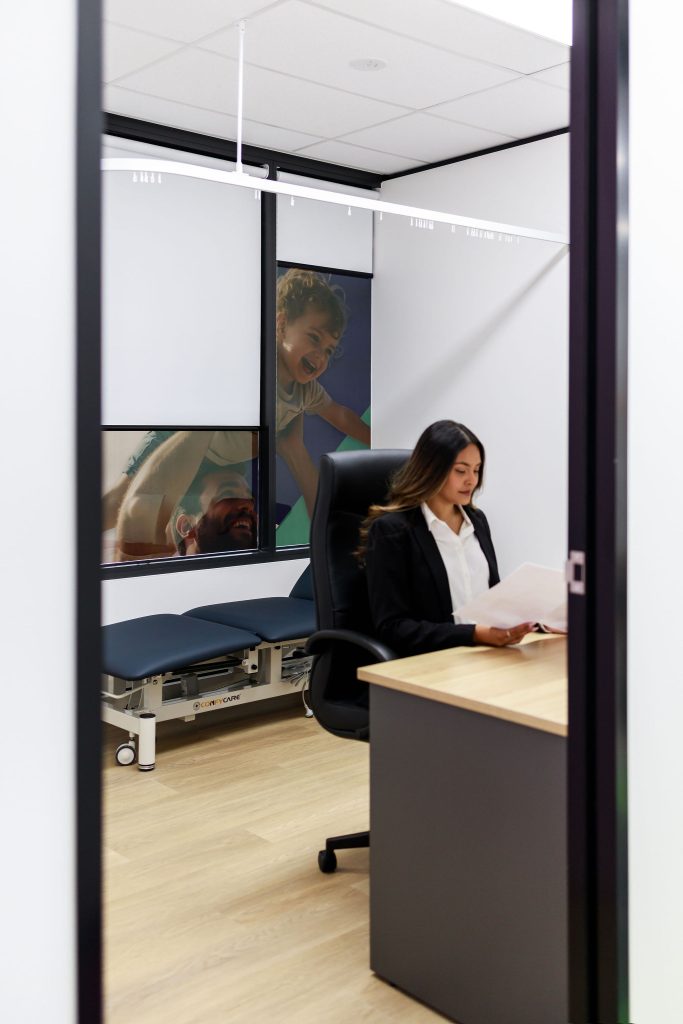
In most endocrinology practices, consultation rooms carry the majority of clinical activity. As a result, their design has an outsized impact on efficiency and patient experience.
Effective consultation room design considers:
- Ergonomic layouts for extended consultations and data review
- Integrated digital workstations for electronic records and monitoring
- Clear separation between clinician workspace and patient interaction zones
- Acoustic privacy for sensitive health discussions
- Space for basic examinations without overcrowding the room
Small inefficiencies in these rooms are amplified over thousands of patient interactions, making design precision critical.
3. Integrating Allied Health and Collaborative Care Models
Modern endocrinology care is increasingly multidisciplinary. Clinics often work closely with dietitians, diabetes educators, and other allied health professionals.
Fitout design needs to support this integration through:
- Flexible rooms that can accommodate different practitioners
- Efficient adjacency between consult rooms and allied health spaces
- Shared areas that support coordinated care planning
- Clear separation between clinical, education, and administrative functions
When designed well, the physical space reinforces a collaborative care model rather than working against it.
4. Patient Comfort and Psychological Experience
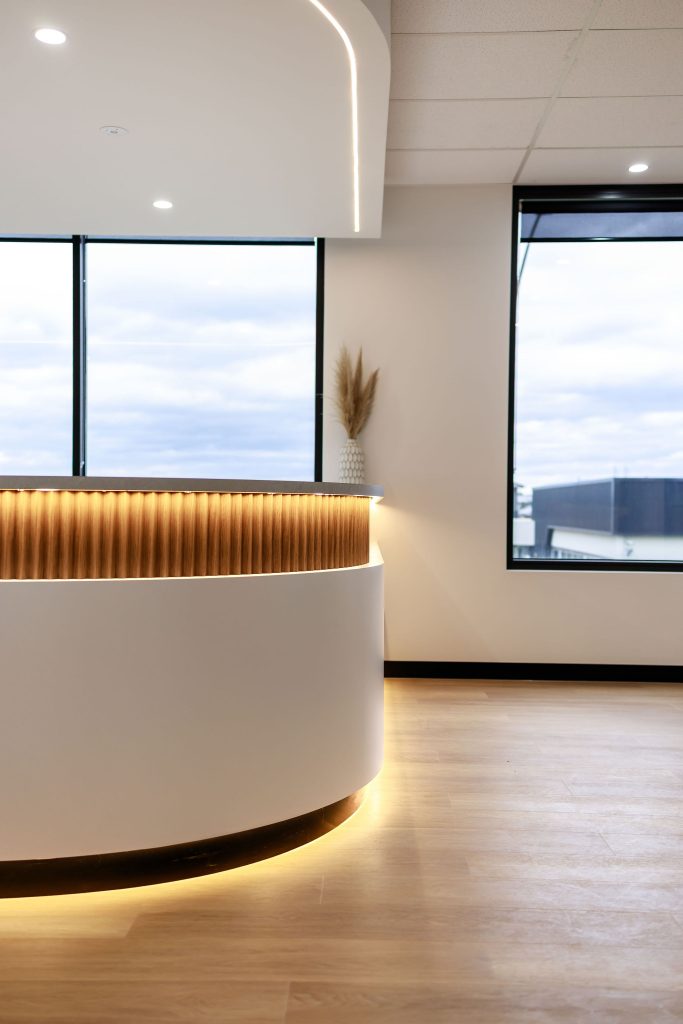
Endocrinology patients are often managing long-term or complex conditions, which makes emotional comfort just as important as clinical function.
Design choices that support this include:
- Softened, non-clinical material palettes
- Acoustic control to protect privacy in waiting and consult areas
- Thoughtful lighting that avoids harsh clinical environments
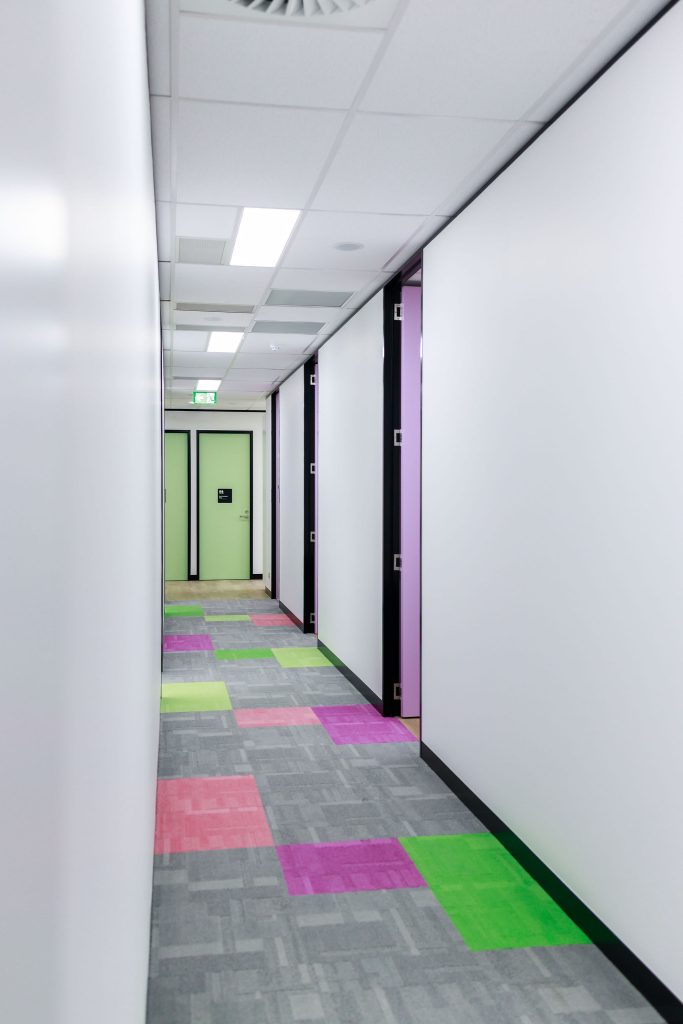
- Clear signage and intuitive circulation paths
- Waiting spaces that feel calm rather than transactional
These elements help reduce stress and support a more positive perception of ongoing care.
5. Infrastructure That Supports Modern Healthcare Delivery
While endocrinology clinics may not rely on heavy procedural equipment, they are increasingly dependent on digital systems and integrated care platforms.
Key infrastructure considerations include:
- Reliable, clinic-wide data and network systems
- Strong support for telehealth consultations
- Scalable IT infrastructure for future digital health tools
- Adequate electrical planning for clinical and administrative equipment
- Efficient HVAC systems to maintain comfort across all zones
These systems are often invisible to patients but essential to daily clinical performance.
6. Designing for Growth Without Disruption
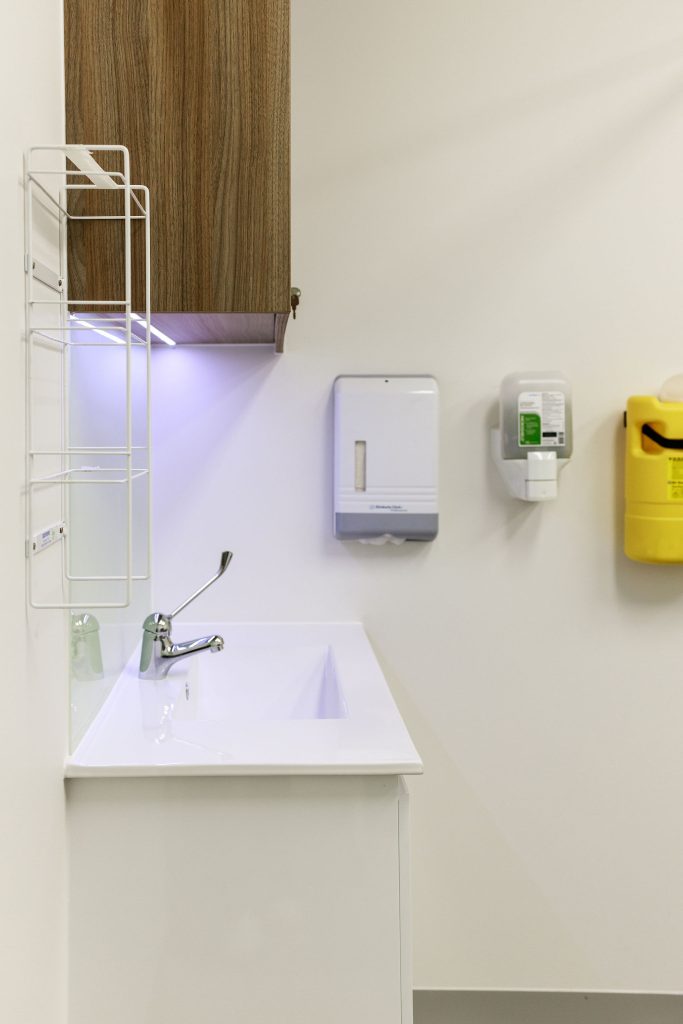
Most endocrinology clinics evolve over time, expanding services, increasing patient volumes, or integrating new care models.
A well-planned fitout anticipates this change by incorporating:
- Standardised room sizes for flexible reallocation
- Multi-use spaces that can shift between functions
- Infrastructure capacity reserved for future expansion
- Layouts that allow staged growth without major renovation
This approach reduces operational disruption as the clinic develops.
Endocrinology clinic design is ultimately about supporting continuity of care, of experience, and of clinical function.
When the built environment aligns with how care is actually delivered, it becomes a long-term asset to both practitioners and patients, rather than just a physical setting for consultations.