
Specialist medical clinics are changing quickly. What once functioned as a simple consultation-and-waiting-room model is now evolving into more integrated, technology-enabled, and patient-centred environments.
Endocrinology clinics in particular are seeing increased demand driven by chronic disease management, preventative health, and long-term patient relationships. This shift is influencing not just how care is delivered, but how clinics need to be designed and built.
As a medical fitout builder, we’re seeing a clear trend: the most successful specialist clinics are those designed not just for today’s workflows, but for how healthcare will be delivered over the next decade.
Below are the key design and construction trends shaping the future of specialist clinics, with a focus on endocrinology practices.
Technology-Enabled Consultation Rooms
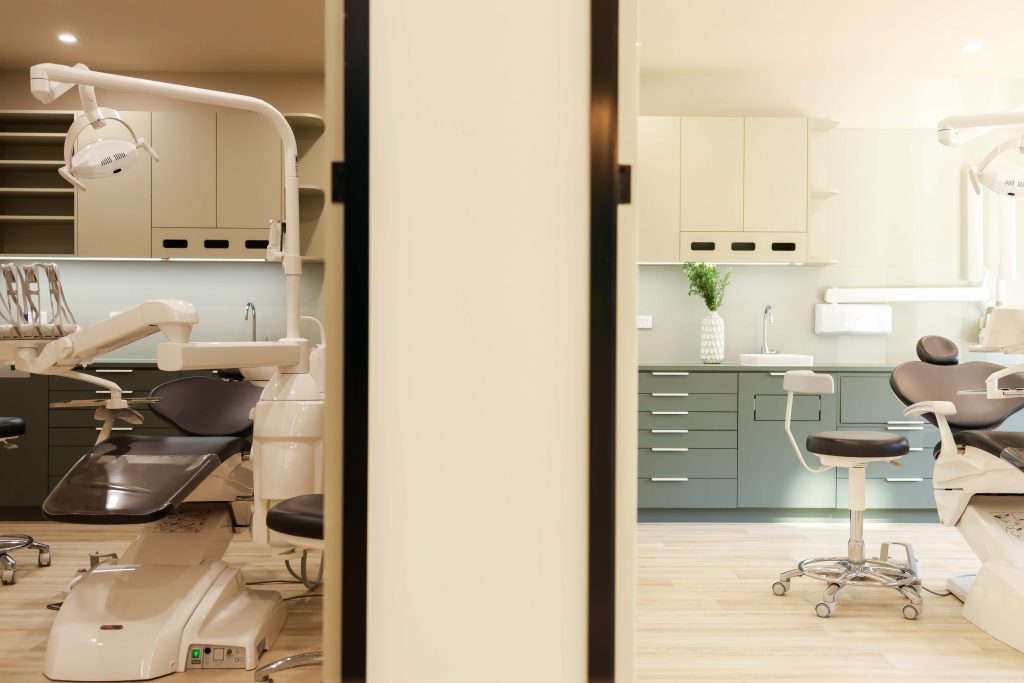
Consultation rooms are no longer just desks, chairs, and examination space. They are becoming integrated digital healthcare hubs.
For endocrinology clinics, where long-term monitoring of conditions like diabetes, thyroid disorders, and metabolic health is common, technology plays a central role.
Modern consultation rooms are increasingly designed to support:
- Electronic medical records and real-time data access
- Patient-facing screen sharing for education and engagement
- Integration with wearable health data and remote monitoring tools
- Telehealth consultations within standard clinic rooms
- Secure digital infrastructure for sensitive health data
From a construction perspective, this means careful planning of data cabling, power placement, and ergonomic layouts that support both clinician and patient interaction with technology.
Flexible Specialist Clinic Layouts
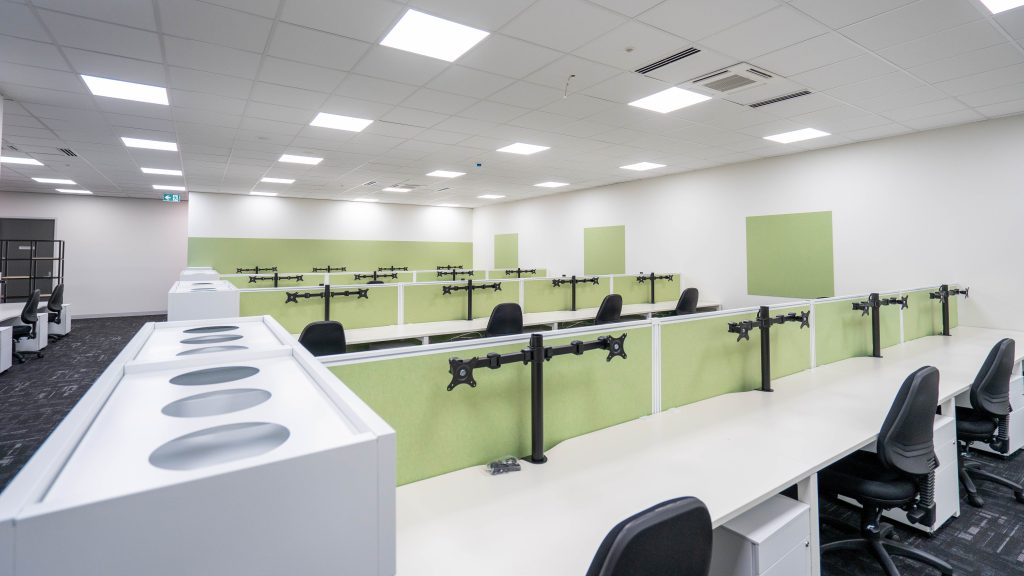
Flexibility is becoming a core requirement in healthcare design.
Endocrinology clinics often need to adapt to changing service models, including:
- Expansion into allied health services (dietitians, diabetes educators)
- Increased patient volumes over time
- Integration of group education sessions or multidisciplinary care
- Changes in consultation-to-treatment ratios
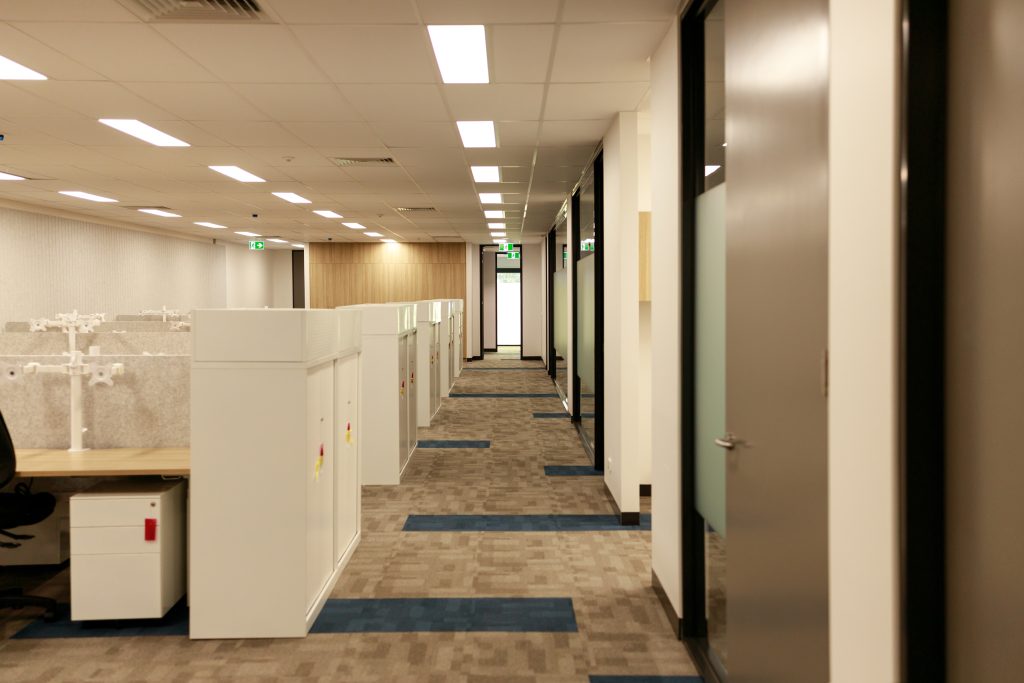
Flexible layouts allow clinics to evolve without major structural changes.
This is achieved through:
- Standardised room sizing across consult spaces
- Multi-purpose rooms that can shift between consult and education use
- Movable or modular internal partitions
- Efficient circulation pathways that support future reconfiguration
A well-designed flexible clinic reduces downtime and avoids costly future renovations.
Sustainability and Energy-Efficient Healthcare Design
Sustainability is no longer a “nice to have” in healthcare, it’s becoming an operational and regulatory consideration.
For specialist clinics, including endocrinology practices, sustainable design can also support long-term cost efficiency.
Key considerations include:
- Energy-efficient HVAC systems with zoning capability
- LED lighting with occupancy and daylight controls
- Low-VOC, durable materials suitable for clinical environments
- Water-efficient fixtures in patient and staff areas
- Smart building systems for energy monitoring and optimisation
Beyond environmental impact, these systems help reduce operational overheads and improve overall building performance.
Patient-Centred, Wellness-Focused Environments
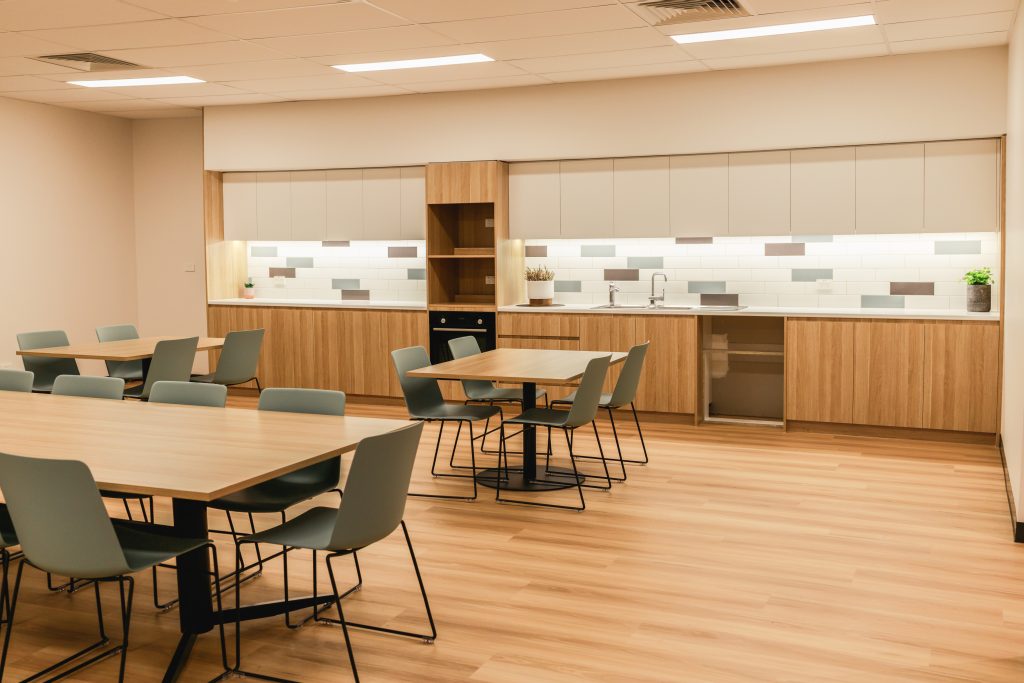
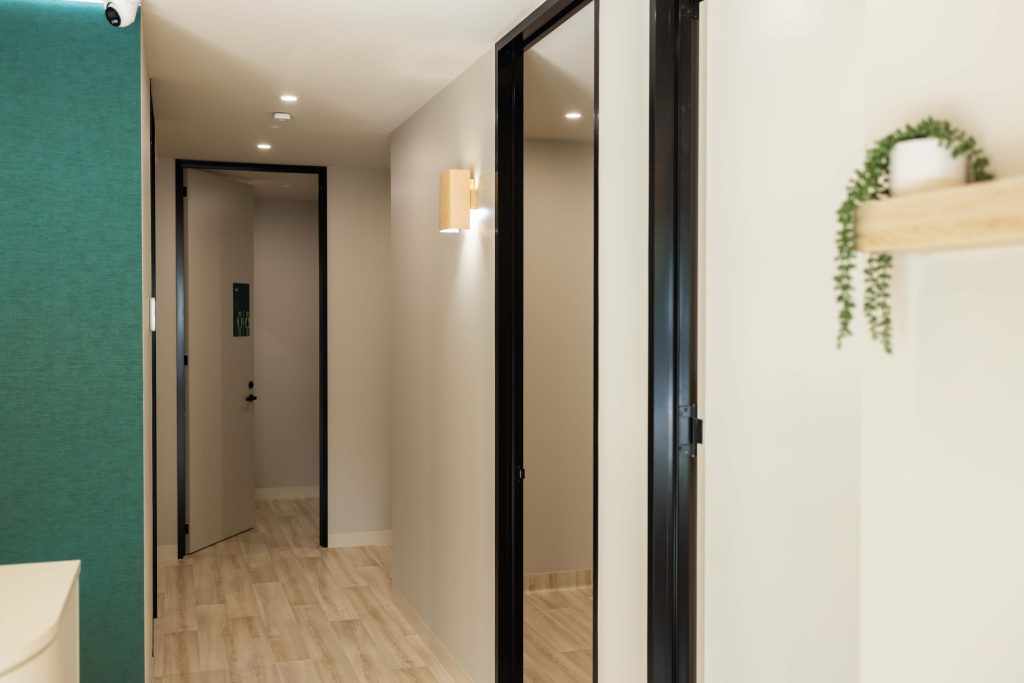
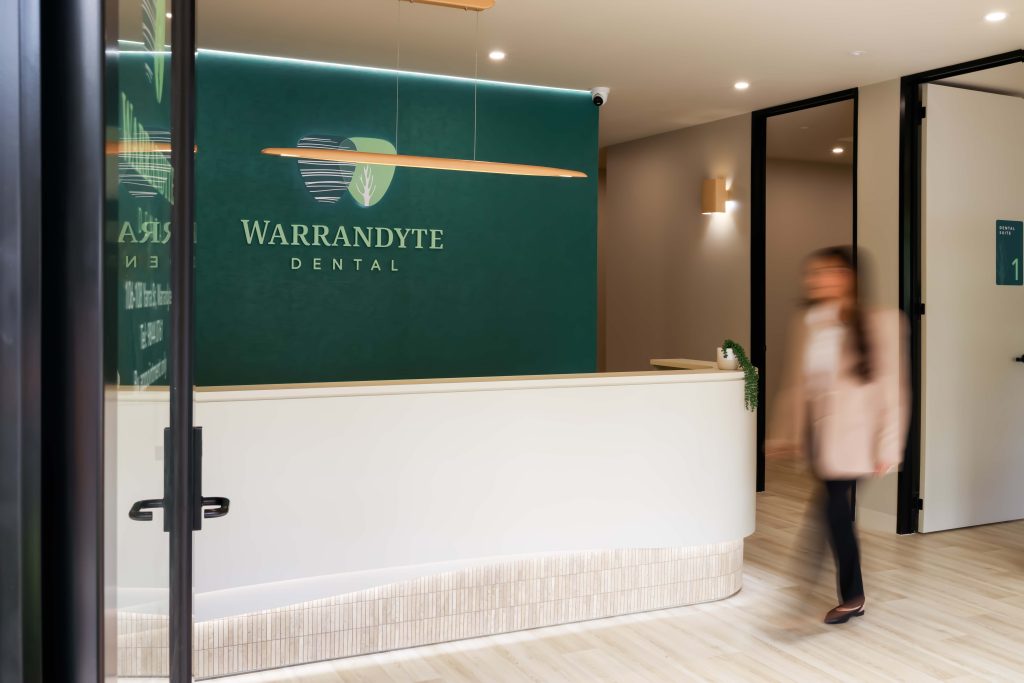
Endocrinology patients often require long-term care and ongoing engagement with their health journey. As a result, clinic design is increasingly focused on comfort, clarity, and emotional wellbeing.
Modern patient-centred design includes:
- Calming, non-institutional aesthetics
- Natural light and warm material palettes where possible
- Clear and intuitive wayfinding through the clinic
- Comfortable waiting areas designed for longer visit durations
- Acoustic control for privacy and reduced stress
The goal is to create an environment where patients feel supported, not rushed or overwhelmed.
Adaptable Infrastructure for Evolving Healthcare Models
Healthcare delivery is changing rapidly, particularly with the rise of hybrid care models that combine in-person and remote consultations.
To support this, clinics must be designed with adaptable infrastructure, including:
- Robust digital connectivity throughout the clinic
- Scalable electrical systems to support future equipment upgrades
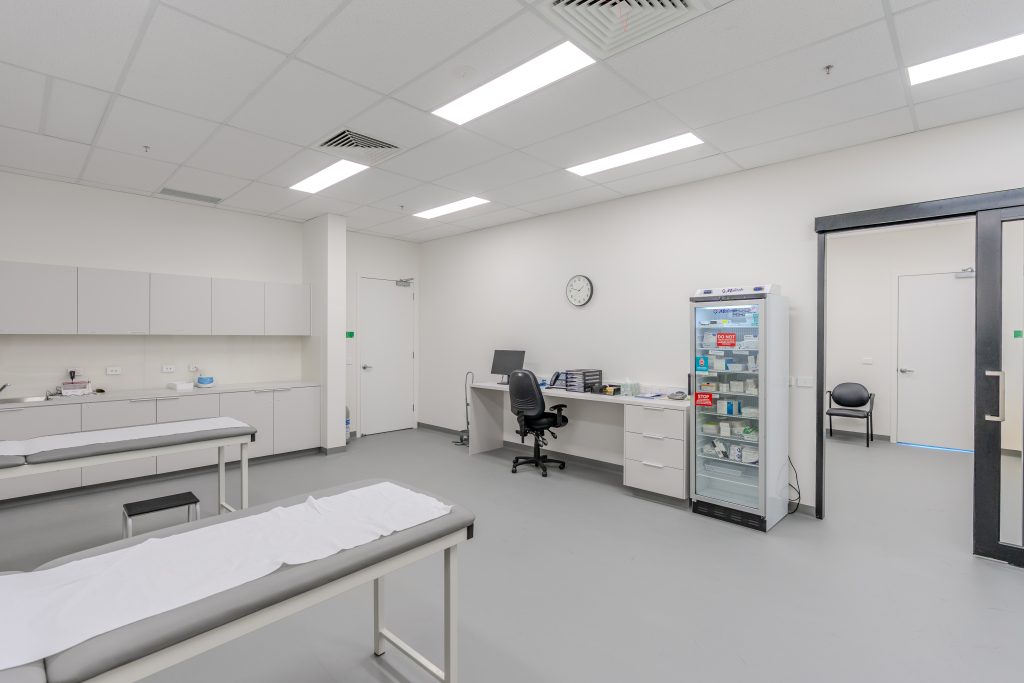
- Flexible room layouts that can accommodate new service types
- Dedicated spaces for telehealth and remote consultation support
- Future-ready data infrastructure for integrated care systems
This approach ensures clinics remain relevant as healthcare technology continues to evolve.
Designing for the Future, Not Just the Present
The most important shift in specialist clinic design is mindset.
Rather than designing around current equipment, current staff numbers, or current workflows, successful projects are increasingly designed around adaptability.
For endocrinology clinics, this is particularly important due to:
- Long-term patient relationships
- Increasing reliance on digital health monitoring
- Growth in preventative and lifestyle medicine
- Integration with broader multidisciplinary healthcare networks
A well-planned fitout doesn’t just support clinical care today, it creates the flexibility for tomorrow’s healthcare model.
Final Thoughts
Medical fitout trends are clearly moving toward flexibility, digital integration, and patient-centred design. For endocrinology clinics, these trends are especially relevant given the long-term, data-driven nature of care.
The clinics that will thrive in the future are those designed with change in mind, spaces that can evolve alongside technology, patient needs, and new models of care delivery.
In healthcare construction, the most valuable outcome is not just a well-built clinic, it’s a clinic that stays relevant, efficient, and adaptable for years to come.