
From the moment clients enter a psychology clinic, their nervous system is already taking in cues. Comfort, trust, and emotional safety are shaped through both your therapeutic skill and the environment you create together.
This is where the 5% Rule becomes powerful:
Small, strategic design changes — often affecting just 5% of the room — can transform 100% of a client’s emotional experience.
Below we explore six subtle but powerful design strategies that psychology clinics can implement – especially when doing a fitout or refurbishment – to significantly enhance client comfort, trust, and therapeutic connection.
1. Prioritise Soft, Human-Centred Materials over Clinical Finishes
Why it matters: Research into therapeutic interiors notes that colour, texture, flooring, and furniture all influence emotional comfort, readiness to self-disclose, and perceived safety.
What to do: Use warm woods or wood-look finishes (floors, wall panelling, furniture) rather than cold metal or chrome. Use soft upholstery, rugs, cushions, and warm textiles rather than bare floors and hard chairs.
The impact: These touches help the space feel more “homelike” and less institutional. In counselling psychology, this kind of “non-clinical” environment often encourages deeper self-disclosure and connection.

2. Layer Light — Don’t Rely Solely on Harsh Overhead Lighting
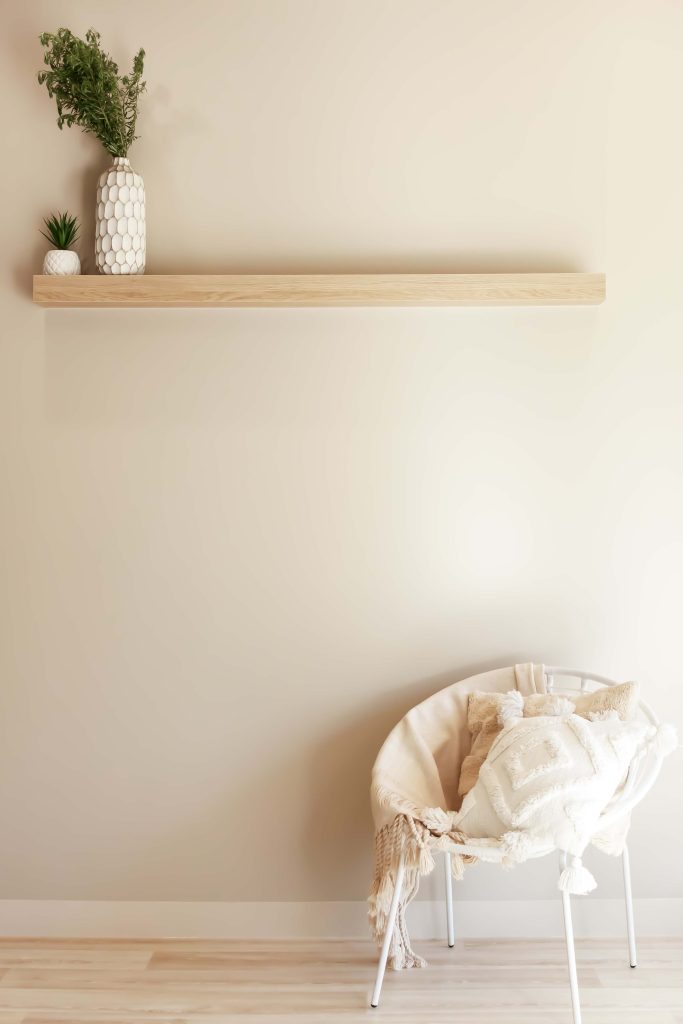
Why it matters: Lighting dramatically affects mood, perceived warmth, and even circadian and nervous system responses.
What to do: Incorporate multiple lighting sources, e.g., floor or table lamps, indirect lighting, dimmers instead of just a bright ceiling panel. Where possible, allow natural daylight or ensure the artificial lighting mimics natural daylight in tone.
The impact: A softly lit room feels less clinical, more comforting. It helps reduce the subconscious alertness some clients feel in stark spaces. Combined with warm materials, lighting becomes a “silent cue” that this is a safe space for vulnerability.
3. Control Acoustics and Noise for Privacy and Psychological Safety
Why it matters: The built environment for mental-health settings must balance privacy with therapeutic atmosphere. Privacy – both visual and auditory – is repeatedly cited as essential for therapy success.
What to do: Install acoustic wall panels, use carpet or acoustic flooring instead of tiles, seal doors properly with acoustic seals.
The impact: Clients feel more confident their privacy is protected. It reduces anxiety about being overheard or judged, which can make a real difference in how open and honest they are.
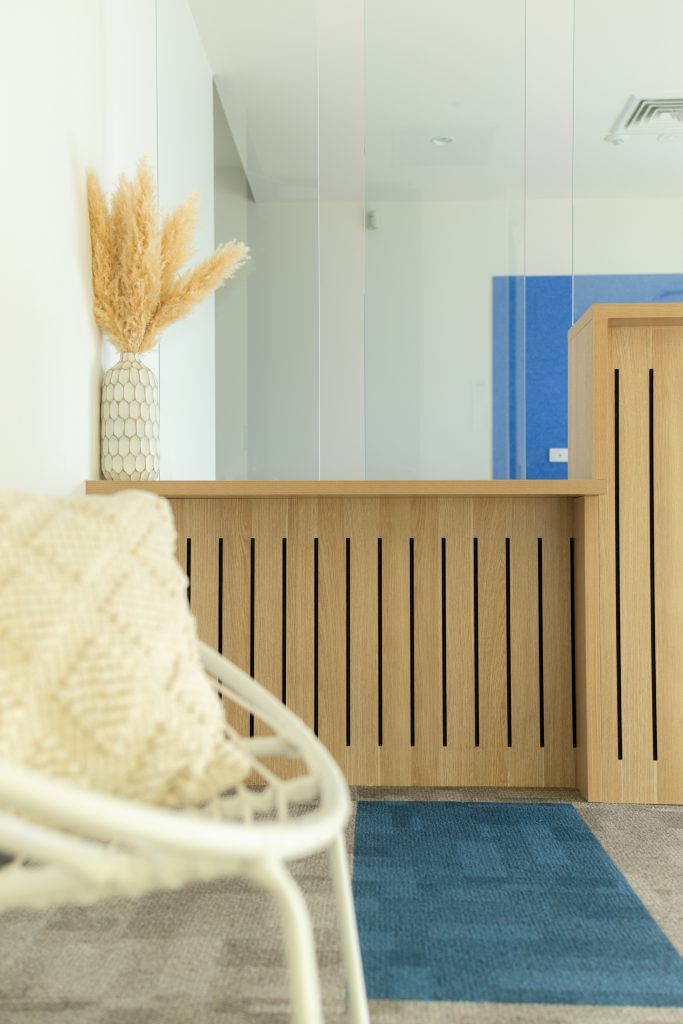
4. Offer Environmental Control – Let Clients Feel They Can “Own” the Space

Why it matters: Feeling in control of one’s environment, even small controls like light, temperature, or furniture positioning can significantly affect how safe and grounded a person feels. Environmental control is a core principle of “evidence-based design.”
What to do: Wherever possible, include adjustable lighting (dimmers, lamps), blinds/curtains rather than fixed fluorescent lighting. Consider furniture that doesn’t fix clients in rigid positions e.g. soft seating rather than clinical straight-back chairs.
The impact: Even small choices allow clients to feel more grounded and secure in the space. The space becomes part of the therapeutic frame instead of just a backdrop.
5. Keep the Layout Simple, Predictable, and Human-Scaled
Why it matters: Overly complex or spatial layouts or harsh proportions can unconsciously trigger anxiety or a sense of alienation.
What to do: Avoid labyrinthine corridors, overly high ceilings, stark angular geometry, or clinical “corridor-to-room” flow. Instead use human-scaled spaces, clear sightlines, gentle geometry, and layouts that guide clients intuitively from reception to therapy room.
The impact: When the path through the clinic feels natural and welcoming, clients arrive calmer, more grounded. The physical journey becomes part of their emotional preparation for therapy.

6. Introduce Subtle Sensory Comforts – Texture, Warmth, Quiet, Calm
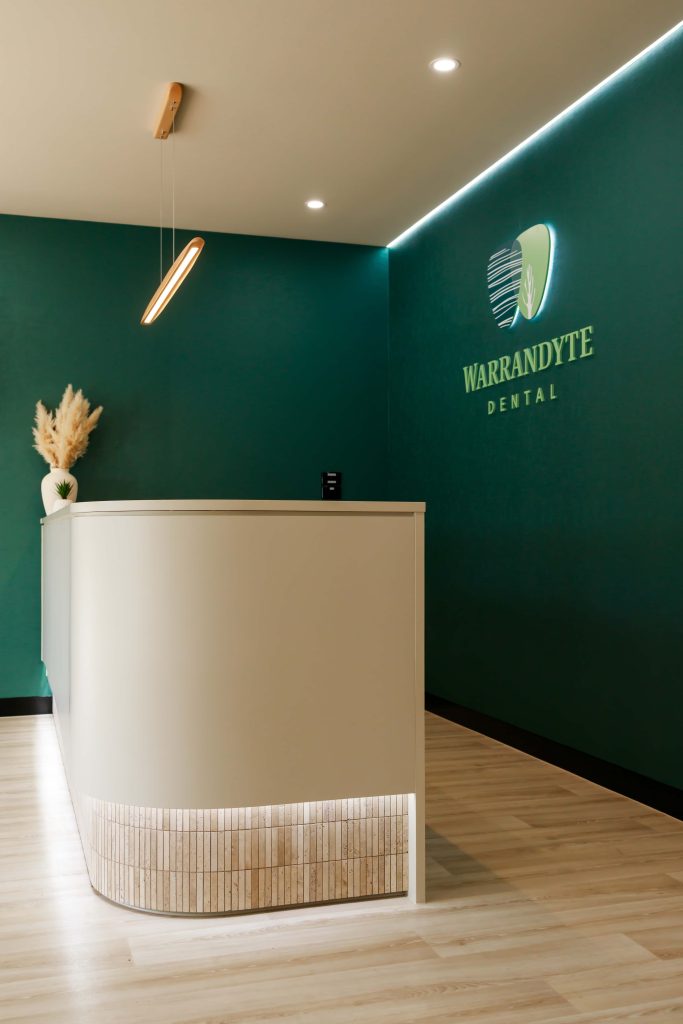
Why it matters: Beyond visuals and layout, sensory aspects (texture, warmth, quiet) play a huge role in how a space feels. Research shows that sensory design, including sounds, textures, spatial rhythm influence feelings of safety, calm, and emotional openness.
What to do: Soft rugs, textured fabric upholstery, wall finishes that diffuse rather than reflect light, warm colour palettes, and noise-absorbing materials all contribute. Even small touches like plants, subtle artwork, or soft décor can add to the sensory richness without overwhelming.
The impact: These small touches create a subconscious sense of safety, stability and warmth – essential for trauma-informed care.
Why the “5% Rule” Deserves Serious Consideration
Because small investments = big emotional payoffs.
You don’t need a full-scale renovation to see benefits. Often just changing lighting, materials or layout subtly can dramatically improve how clients and clinicians feel.
Because therapy spaces influence therapy effectiveness.
Research in environmental psychology and built-environment studies shows that well-designed spaces contribute to better mental health outcomes, lowered stress, improved disclosure, and greater client satisfaction.
Because clients often judge the clinic before even saying a word.
Cramped waiting rooms, harsh lighting, sterile décor – these can trigger subconscious discomfort, stigma, or distrust. Gentle design communicates empathy, safety and professionalism before a single word is spoken.
Because clinical staff benefit too.
A thoughtfully designed space improves not just client wellbeing but clinician comfort, privacy, and ability to focus. That matters for long-term sustainability, staff retention, and quality of therapy.
Quick Checklist for Psychology Clinic Owners
- Warm materials (wood, textiles, matte finishes)
- Layered lighting (lamps, dimmers, warm temperatures)
- Acoustic privacy upgrades
- Flexible environmental controls
- Cohesive, intuitive layout
- Sensory elements: colour, texture, softness, botanicals
Considering a Clinic Refresh or Fitout?
In the world of psychology clinics, therapy is not just about what happens in sessions, it begins the moment a client steps in. The “5% Rule” reminds us that tiny, subtle design choices can exert a powerful influence over how clients feel, how safe they feel, and how ready they are to engage.
As builders and fitout specialists who work closely with mental health and psychological practices, we understand that these details matter. And when done well, they become part of the healing: the silent, supportive architecture behind each session.