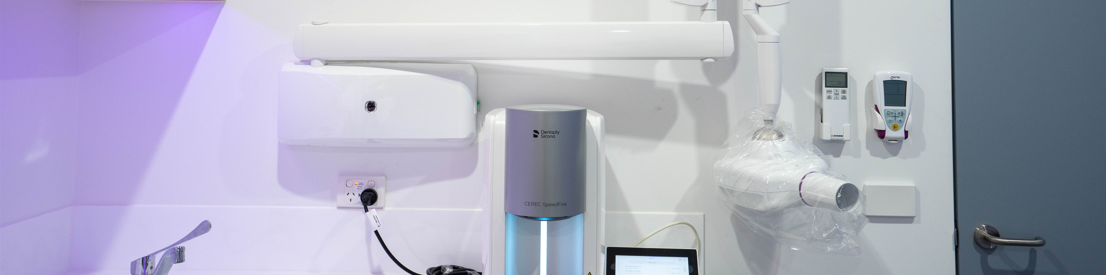
Opening or renovating a healthcare practice is an exciting milestone. Whether you’re launching a new clinic, expanding your existing practice, or planning a future healthcare space, one reality quickly becomes clear: healthcare facilities operate under strict regulatory and compliance frameworks.
In Victoria, medical environments must meet a range of building codes, health regulations, safety standards, and operational requirements. Navigating these can feel overwhelming—especially when your primary focus is caring for patients.
This guide breaks down the key areas of healthcare construction compliance in Victoria, helping practice owners understand what’s required and how the right construction partner can streamline the process from concept to completion.
Overview: Healthcare Regulations
Healthcare environments are fundamentally different from standard commercial spaces. Every element from room layout and airflow to surfaces and accessibility, plays a role in patient safety, infection control, and operational efficiency.
Compliance ensures that medical facilities:
- Protect patients and staff
- Meet infection prevention standards
- Provide safe and accessible environments
- Support clinical workflows
- Pass regulatory approvals and inspections
Failure to meet these requirements can lead to permit delays, costly redesigns, or operational restrictions, which is why regulatory planning should begin at the earliest stage of your project.
Building Code of Australia (BCA)
The Building Code of Australia, part of the National Construction Code (NCC), governs the structural and safety requirements for buildings.
For healthcare facilities, the BCA determines:
- Building classification (often Class 9a for healthcare buildings)
- Fire safety systems
- Emergency egress and exits
- Accessibility standards
- Structural safety and materials
Medical fitouts must align with these requirements to obtain building permits and occupancy certification.
Victorian Department of Health Guidelines
Healthcare facilities must also meet guidelines set by the Victorian Department of Health, particularly for:
- Infection prevention and control
- Clinical handwashing facilities
- Sterilisation areas
- Waste management
- Patient privacy and safety
These standards influence everything from tap fittings and sinks to spatial planning and ventilation.
Infection Prevention and Control Standards
Infection control is one of the most critical compliance considerations in medical design.
Design elements that support infection control include:
- Seamless and cleanable surfaces
- Appropriate flooring and wall finishes
- Clinical-grade joinery
- Dedicated sterilisation zones
- Proper airflow and ventilation systems
These measures help reduce cross-contamination and support safe clinical practice.
Accessibility Requirements (DDA Compliance)
Healthcare facilities must comply with the Disability Discrimination Act (DDA) and Australian accessibility standards.
This includes:
- Accessible entrances and corridors
- Wheelchair-accessible consultation rooms
- Compliant bathrooms
- Proper door clearances
- Wayfinding and patient circulation
Designing with accessibility in mind ensures inclusive healthcare environments for all patients.
Planning Permits and Building Permits
Before construction begins, most medical fitout projects require approval through:
- Local council planning permits (in some cases)
- Building permits from a registered building surveyor
Permit requirements can vary depending on:
- Property zoning
- Change of building use
- Structural modifications
- Building classification
Navigating these approvals early prevents delays and keeps projects moving smoothly.
Best Practice in Medical Fitout Design
Beyond minimum compliance, best-practice healthcare design focuses on efficiency, patient comfort, and future growth.
| Leading Medical Practices Prioritise: |
| Smart workflow design for clinicians and staff Patient-centred layouts that reduce stress and improve experience Durable medical-grade materials that withstand daily clinical use Future-proofed infrastructure for technology and equipment |
When regulatory compliance and thoughtful design work together, the result is a safer, more efficient, and more welcoming healthcare space.
The Advantage of an End-to-End Medical Fitout Partner
One of the biggest challenges for healthcare professionals entering the construction process is coordinating multiple consultants: designers, surveyors, engineers, builders, and compliance specialists.
Working with a specialist medical fitout company simplifies the process by managing:
- Concept design and space planning
- Regulatory compliance and documentation
- Planning and building permits
- Construction and project management
- Final certification and handover
This integrated approach ensures that every stage of the project aligns with healthcare regulations in Victoria, while allowing clinicians to stay focused on their patients.
Planning Your Future Healthcare Practice
If you’re considering opening or upgrading a medical practice, understanding regulatory requirements early can save time, cost, and stress.
With the right expertise guiding your project, compliance becomes less of a hurdle and more of a foundation for creating a high-performing healthcare environment.
Whether you’re planning a general practice, specialist clinic, dental surgery, or allied health space, thoughtful design and regulatory expertise ensure your facility is built for safety, efficiency, and long-term success.
Thinking about starting a healthcare practice or upgrading your current space?
Partnering with experienced medical fitout specialists can make the journey smoother, from first ideas through to compliant, ready-to-operate spaces.