How 2025 shaped the way we design and build healthcare spaces in Victoria
As the year draws to a close, we’ve been reflecting on the medical fitout projects that shaped our journey; GP clinics, dental practices, specialist suites, allied health spaces, and day procedure environments across Victoria. Every project gives us fresh insight into how clinical spaces can function better, feel better, and support better care.
Here’s a look back at some of the key themes and lessons that defined our year in medical construction and design.
1. The Continued Rise of Patient-Centred Design
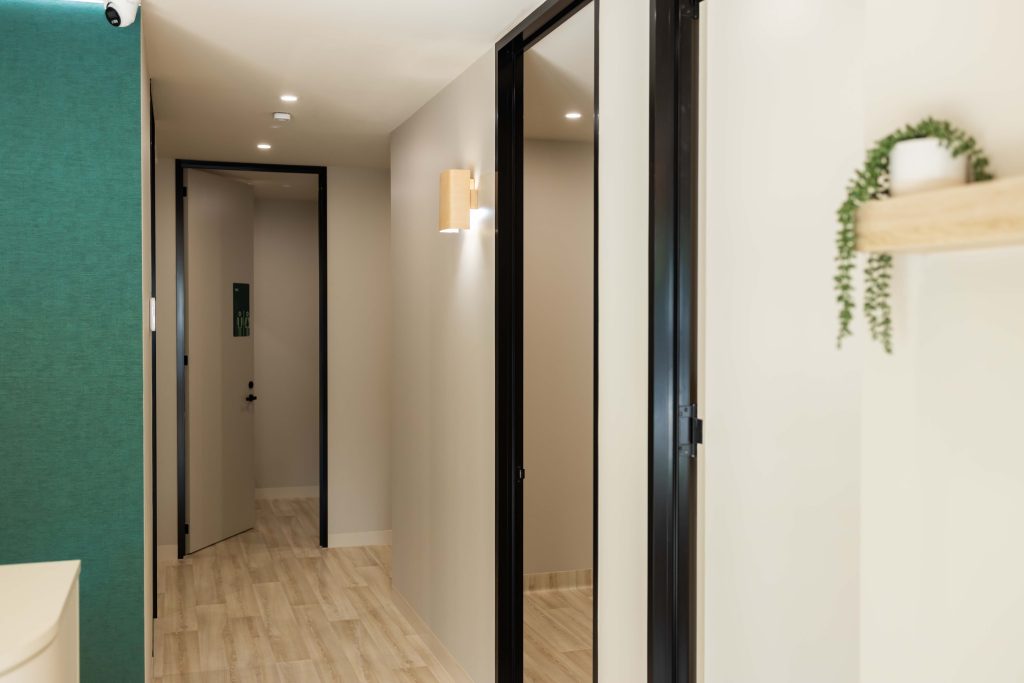
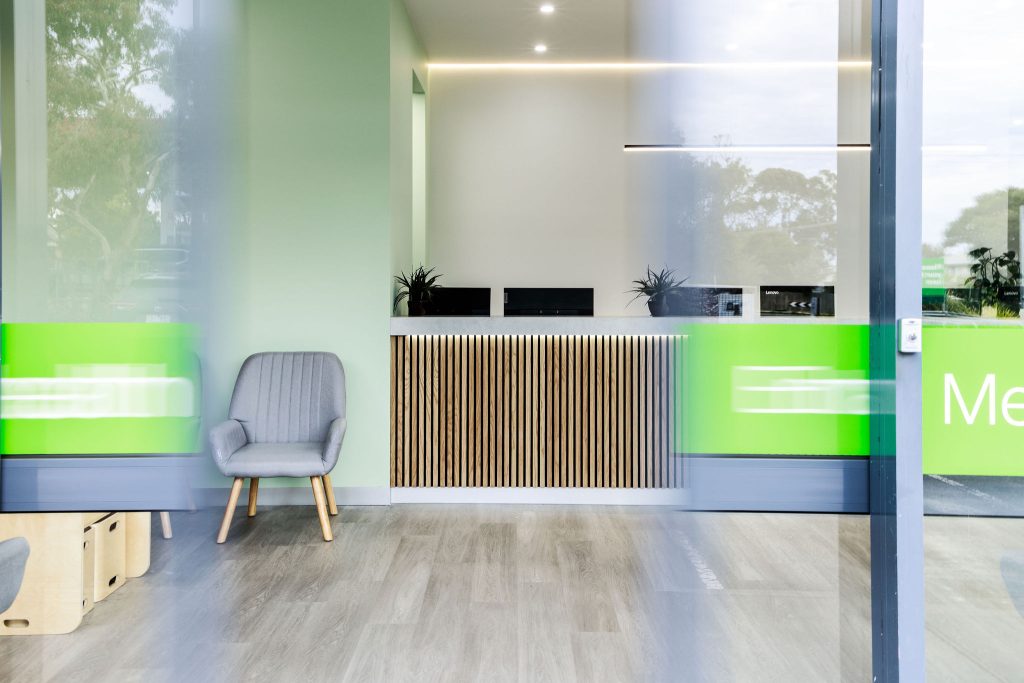
Across nearly all projects this year, practitioners wanted spaces that felt less clinical and more calm.
We saw strong demand for:
- Softer lighting and acoustic treatments in waiting rooms
- Neutral, warm colour palettes
- Zoning that improves patient privacy
- Accessible circulation paths for all ages and mobility levels
Lesson learned: A well-designed clinic doesn’t just look good – it reduces stress, improves patient flow, and strengthens the perception of quality care.

2. Infection Control Embedded Into Design From Day One
While infection control has always been a priority, this year we’ve seen clients integrating it at the earliest design stage; especially dental, GP, and minor procedure facilities.
This meant:
- Surfaces selected for durability, cleanability, and compliance
- Clear separation of clean and dirty workflows
- Improved air quality solutions and HVAC considerations
- Storage design that prevents clutter and contamination risks
Lesson learned: Early alignment between designers, clinicians, and builders reduces rework and ensures compliance is efficient and cost-effective.
3. Navigating Victorian Permits, Approvals & Compliance More Smoothly
Medical fitouts in Victoria come with unique regulatory requirements. Although every project is different, we consistently work within frameworks such as:
- The National Construction Code (NCC)
- Victorian Building Authority (VBA) requirements
- Local council planning and building permit processes
- Relevant Australian Standards (e.g., accessibility, fire safety, electrical)
- Department of Health guidelines (especially for clinical, imaging, or procedure spaces)
What we noticed this year is that proactive planning is more important than ever. Early conversations about:
- Occupancy classifications
- Consulting room requirements
- Disability access obligations
- Fire and egress compliance
- Radiation shielding considerations (for imaging and dental X-ray rooms)
…all helped avoid delays once documentation was submitted for permits.
Lesson learned: The best way to speed up approvals is to design with compliance in mind – not treat it as a final step.
4. The Growing Importance of Future-Proofing in Healthcare Design
Clinics are increasingly planning with growth in mind. This year we designed spaces to:
- Add more consulting rooms later without major structural changes
- Accommodate future technology upgrades
- Expand staff areas as practices scale
- Ensure waiting rooms can adapt to seasonal surges
Lesson learned: A flexible design pays for itself long-term. Small layout choices today can save major renovation costs later.
5. Construction Scheduling: Minimising Downtime for Practices
One of the most appreciated trends this year? Clients wanting fitouts timed around operational needs especially during holiday periods, long weekends, or staged refits performed after hours.
We’ve delivered a number of Christmas/New Year fitouts this year where clinics were closed or quieter, allowing us to:
- Complete dust-heavy construction without impacting patients
- Minimise noise disruption for neighbouring tenancies
- Finish projects faster with fewer interruptions
Lesson learned: Smart scheduling is one of the easiest ways to reduce stress for healthcare teams.
6. Stronger Collaboration = Better Outcomes
The most successful projects this year shared one thing in common: tight collaboration between our team, clinicians, consultants, and suppliers.
Early involvement from:
- IT providers
- Medical equipment suppliers
- Specialist engineers (mechanical, electrical, hydraulic)
- Radiation consultants (where applicable)
…made the build smoother, safer, and more predictable.
Lesson learned: Bringing everyone into the process early avoids budget blowouts and redesigns.
Looking Ahead to 2026
This year reinforced that medical fitouts are becoming more sophisticated, balancing compliance, patient experience, clinical accuracy, and operational efficiency. In 2026, we expect to see even more momentum in:
- Sustainability and energy-efficient clinic design
- Digital integration and smart-clinic technology
- Modular layouts that adapt to new models of care
We’re excited to continue shaping the future of healthcare spaces in Victoria and helping practices create environments where both patients and teams thrive.