
Walk into any high-end cosmetic clinic and you’ll feel it before you can explain it. Calm settles over you. Something about the space just feels… right.
Here’s what might surprise you: it’s rarely the finishes doing the heavy lifting. We’ve fitted out enough medical and cosmetic clinics to know that premium isn’t a price tag on your tapware. It’s a series of small, deliberate decisions about how people move through and feel within a space. Let’s walk through what actually creates that premium feeling and why it matters for your patient experience and your bottom line.
1. The Arrival
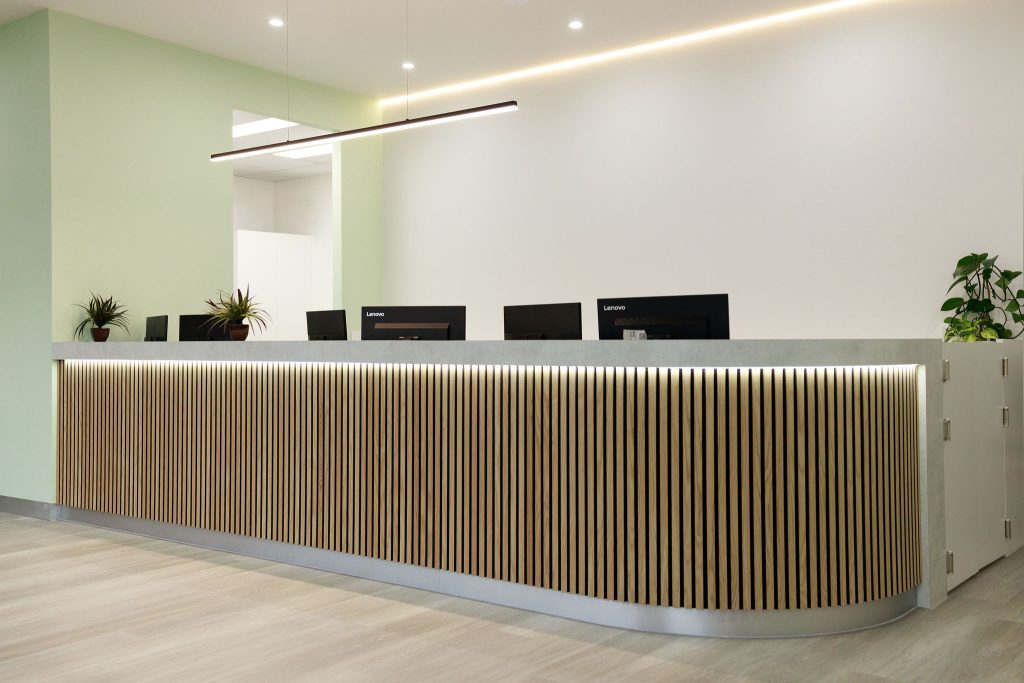
The moment someone steps through your door, they’re subconsciously forming an opinion about your clinic. A considered arrival sequence, a reception desk that feels welcoming rather than transactional and a clear sense of “I know exactly what to do next” does more for perceived “premium quality” than any feature wall. In our experience, clinics that get this wrong often have beautiful interiors let down by an entry that feels like an afterthought.
2. Privacy
Cosmetic treatments are personal. Patients are often anxious, sometimes self-conscious, and always deserving of discretion. Premium clinics are designed so patients are never visible to other patients in waiting areas, so consultation rooms are acoustically separated from corridors, and so treatment rooms don’t share thin walls with reception. This isn’t just good design, its good clinical practice. It’s something we plan for at the very start of a fitout and not as a retrofit.
3. The Consultation Experience
A consultation room should feel like a conversation, not an interrogation. Desk placement, seating angles, and even where the screen sits all influence whether a patient feels at ease or examined. The best consultation rooms remove the “clinical desk barrier” entirely, creating a sense of partnership between practitioner and patient, which, not coincidentally, builds trust and improves conversion.
4. Treatment Flow
Patients should never backtrack past a packed waiting room mid-treatment, and staff shouldn’t be navigating tight corners with trolleys between rooms. Good treatment flow is invisible when it’s working and painfully obvious when it’s not. It’s one of the most overlooked elements of a fitout and one of the most expensive to fix after the fact.
5. Lighting Psychology
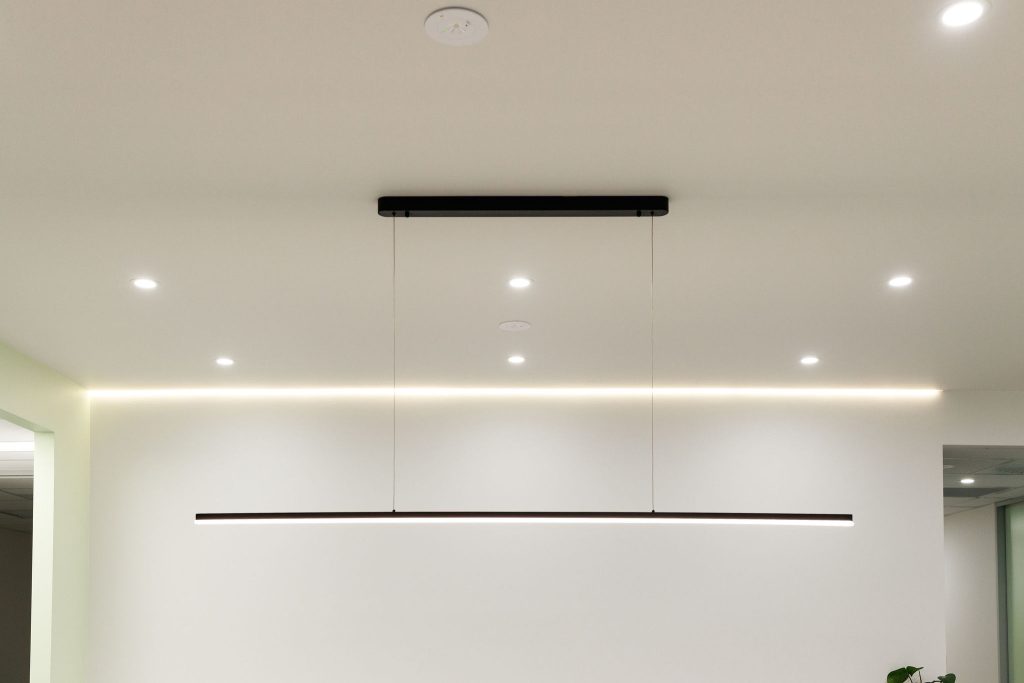
Lighting is arguably the single most underrated factor in how “premium” a clinic feels and how confident patients feel. Harsh, clinical lighting can undermine even the most luxurious finishes, while warm, layered lighting (ambient, task, and accent working together) makes both the space and the patient look and feel their best. This is design that directly affects patient satisfaction and reviews.
6. Material Selection
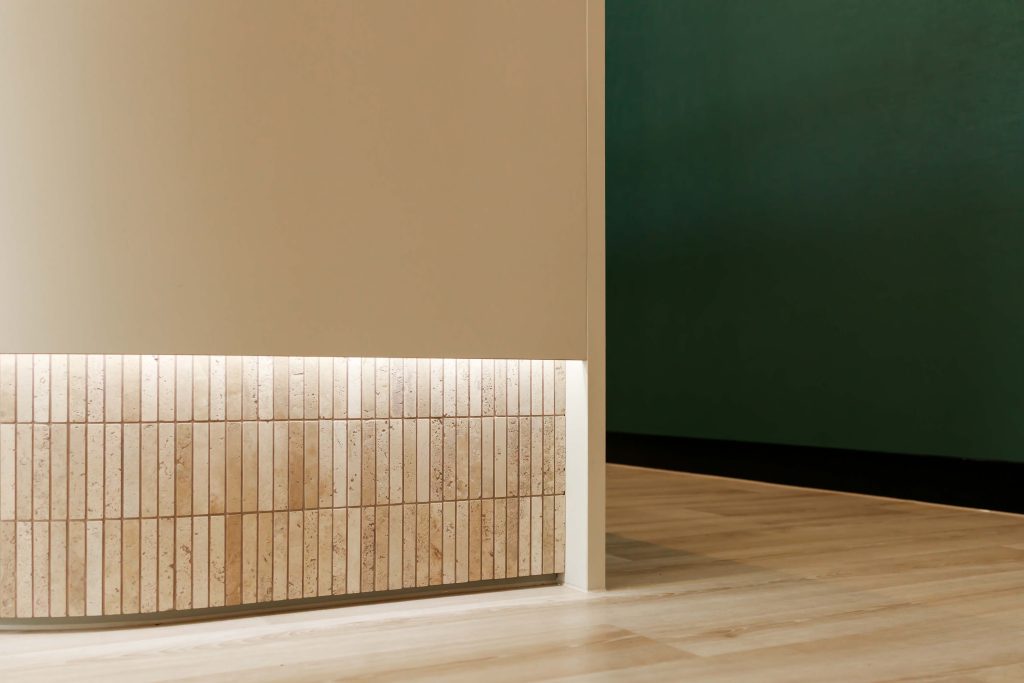
Yes, materials matter. Premium clinics choose materials for tactility, durability, and how they age, not just how they photograph on day one. A surface that still looks immaculate after eighteen months of cleaning protocols and high foot traffic is worth more than one that looked stunning for the opening photoshoot.
The Real Takeaway
Premium isn’t a finishes schedule. It’s an experience, engineered into the bones of the build: sequencing, privacy, flow, light, and material logic working together.
As a construction partner specialising in medical and cosmetic fitouts, this is exactly where we spend our energy: not just building a beautiful space, but building one that works for your patients, your staff, and your compliance obligations from day one.
If you’re planning a fitout and want a partner who understands both the clinical and the experiential side of the build, we’d love to talk.