Renovating an existing cardiology clinic presents a unique challenge. Unlike standard commercial refurbishments, medical environments must continue operating safely and efficiently while construction is underway. Patients still require uninterrupted care, clinicians need functional spaces, and sensitive medical equipment must remain protected throughout the process.
For cardiology practices, where patient comfort, precision diagnostics, and clinical workflow are critical, a carefully planned renovation strategy is essential. The right approach allows clinics to modernise facilities, improve operational efficiency, and future-proof infrastructure, all while minimising disruption to staff and patients.
At SoulMED, we specialise in medical fitouts designed around the realities of live healthcare environments. Successful clinic renovations are never just about construction, they’re about maintaining continuity of care while creating a better long-term environment for practitioners and patients alike.
Why Cardiology Clinics Require a Different Renovation Approach
Cardiology clinics rely on a highly coordinated ecosystem of consultation rooms, diagnostic areas, imaging equipment, administration spaces, and patient waiting areas. Even minor disruptions can impact appointment schedules, workflow efficiency, and patient experience.
Unlike traditional office refurbishments, medical renovations require careful consideration of:
- Infection prevention and control
- Patient accessibility and comfort
- Clinical workflow continuity
- Medical-grade infrastructure requirements
- Equipment sensitivity and operational uptime
- Regulatory and compliance obligations
This is why detailed planning before construction begins is one of the most important stages of any healthcare renovation project.
Phased Construction Approaches to Keep the Clinic Operational
One of the most effective ways to minimise disruption during a cardiology clinic renovation is through phased construction.
Rather than shutting down the entire practice, works are carefully staged so sections of the clinic remain fully operational while upgrades occur in designated areas.
Common phased renovation strategies include:
1. Zone-Based Staging
The clinic is divided into separate construction zones. One area is renovated while clinical operations continue in another. Once completed, staff transition into the upgraded space and construction moves to the next zone.
This approach is particularly effective for:
- Consultation room upgrades
- Reception and waiting area refurbishments
- Administrative workspace improvements
2. After-Hours Construction
Where practical, higher-impact works such as demolition, drilling, or service upgrades can be scheduled outside operating hours.
Evening or weekend works can significantly reduce patient disruption while allowing essential services to continue during normal clinic hours.
Managing Noise, Dust, and Infection Control During Works
In healthcare environments, construction management goes far beyond aesthetics and timelines. Infection control and patient safety must remain central throughout the entire project.
Cardiology patients may be elderly, vulnerable, or managing chronic health conditions, making environmental controls especially important.
Dust Containment and Air Quality Management
Construction dust can interfere with both patient comfort and sensitive medical equipment. Effective containment measures typically include:
- Temporary sealed hoardings
- Negative air pressure systems
- HEPA-filter air scrubbers
- Isolated construction access pathways
- Regular cleaning and waste removal procedures
Careful separation between clinical and construction zones helps maintain a safe operational environment.
Noise and Vibration Management
Diagnostic procedures, consultations, and patient interactions all require controlled acoustic environments.
To minimise disruption:
- Noisy works are scheduled strategically
- Low-vibration demolition methods may be used
- Equipment-sensitive areas are protected
- Staff are kept informed of upcoming high-impact activities
Communication is critical. Providing clinic teams with clear construction schedules allows them to adjust appointment planning where necessary.
Infection Control Compliance
Medical fitout projects should follow strict infection control protocols aligned with healthcare guidelines and site-specific operational requirements.
This often includes:
- Dedicated contractor entry points
- PPE and hygiene protocols
- Controlled material movement
- Daily site cleaning procedures
- Continuous monitoring of containment systems
Experienced healthcare builders understand that maintaining patient safety is just as important as delivering the finished project.
Reviewing Patient Flow
Temporary changes to:
- Reception locations
- Waiting areas
- Consultation room allocation
- Staff circulation pathways
can help maintain efficiency and reduce confusion during each stage of the project.
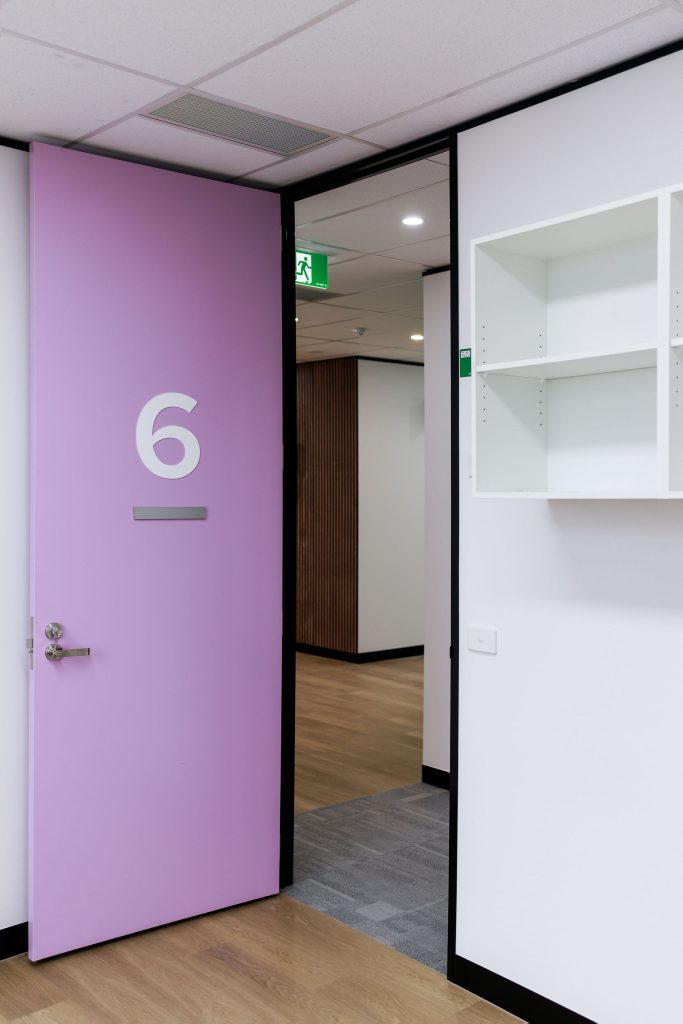
Clear wayfinding signage and patient communication are essential during transitional periods.
Supporting Staff Operations
Construction can place additional pressure on clinic staff if workflows are not carefully considered. Collaborative planning sessions between the builder and clinic leadership can help identify:
- Peak operational times
- Sensitive clinical functions
- Equipment access requirements
- Staff-only circulation needs
- Emergency access pathways
This proactive approach helps reduce operational friction and allows medical teams to continue focusing on patient care.
Planning Infrastructure Upgrades for Future Growth
One of the most important, and often underestimated, aspects of renovating an existing cardiology clinic is infrastructure planning.
Many older medical facilities were not originally designed to support today’s technology, equipment loads, and digital connectivity requirements.
A renovation presents an ideal opportunity to future-proof the clinic.
Power Capacity and Equipment Load
Cardiology clinics rely heavily on specialised diagnostic and imaging equipment, which often require upgraded electrical infrastructure.
Planning considerations may include:
- Increased power capacity
- Dedicated circuits for critical equipment
- Backup power integration
- Surge protection systems
- Equipment-specific compliance requirements
Infrastructure planning should account not only for current equipment, but also anticipated future technology upgrades.
The Value of Working With a Specialist Medical Fitout Builder
Renovating a live cardiology clinic requires more than construction expertise alone. It demands an understanding of healthcare operations, patient experience, compliance, and clinical functionality.
An experienced medical fitout builder can help clinics:
- Minimise operational disruption
- Maintain patient safety
- Coordinate staged construction efficiently
- Future-proof infrastructure
- Improve long-term workflow and functionality
Most importantly, they can help deliver a renovation process that supports both clinical teams and patient care every step of the way.
With the right construction strategy, careful staging, and collaborative planning, clinics can continue providing uninterrupted care while transforming their facilities for the future.