Throughput in a cardiology clinic isn’t just about how many patients you book, it’s about how smoothly each patient moves through the space.
Throughput challenges tend to show up subtly at first. A delayed stress test pushes the next consult back. Reporting takes longer because there’s no dedicated space. Staff spend more time coordinating patient movement than focusing on care. Over time, these small inefficiencies compound.
What’s interesting is that many of these issues aren’t operational, they’re spatial.
Where Throughput Is Won (or Lost)
In cardiology, a single patient journey often includes consultation, diagnostics, and review. If the clinic layout doesn’t align with that sequence, friction is inevitable.
A common scenario:
A patient finishes their consult but must wait because the ECG room is occupied and when it’s finally free, it’s located across the clinic. Meanwhile, the next patient is ready, but the consult room hasn’t been turned over yet.
Nothing is “wrong” in isolation, but the system isn’t flowing.
Clinics that perform well tend to be designed around a clear, repeatable pathway where each step naturally leads to the next without backtracking or delays.
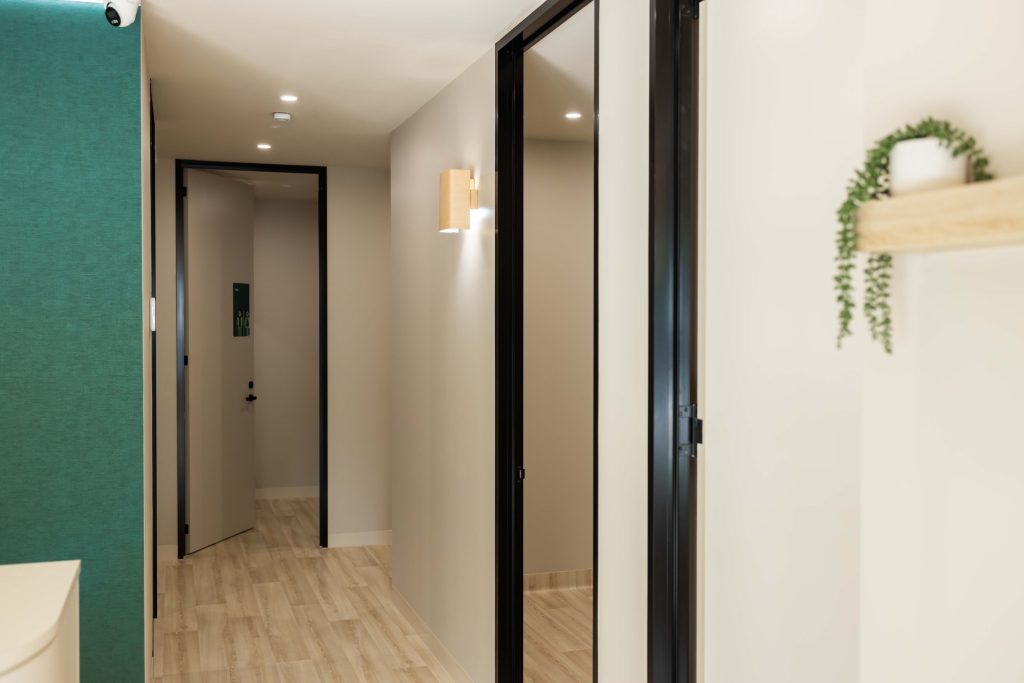
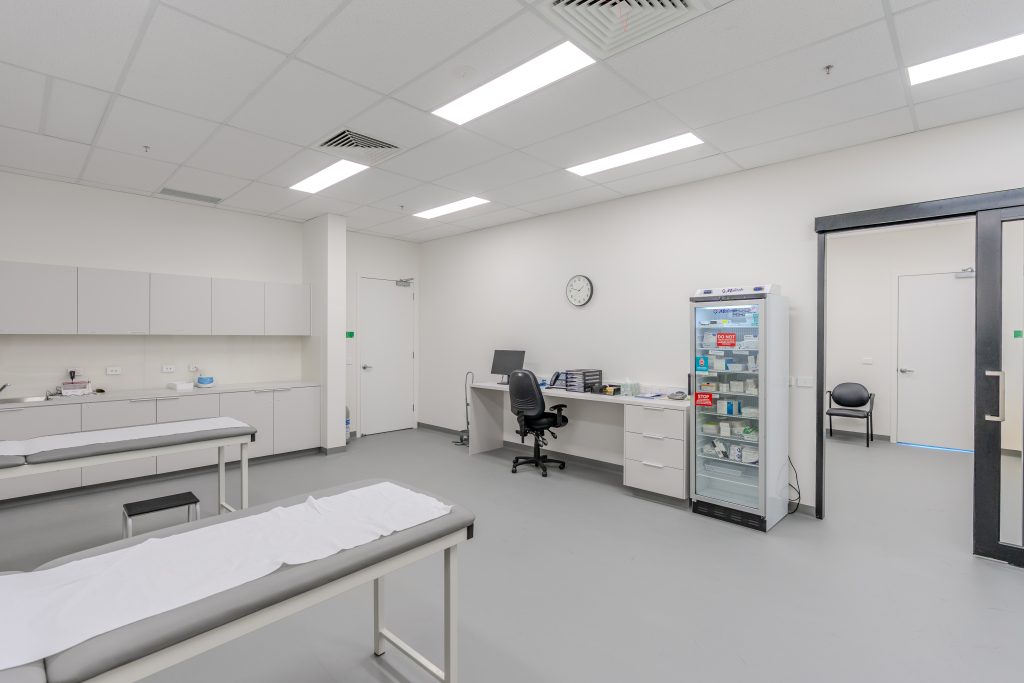
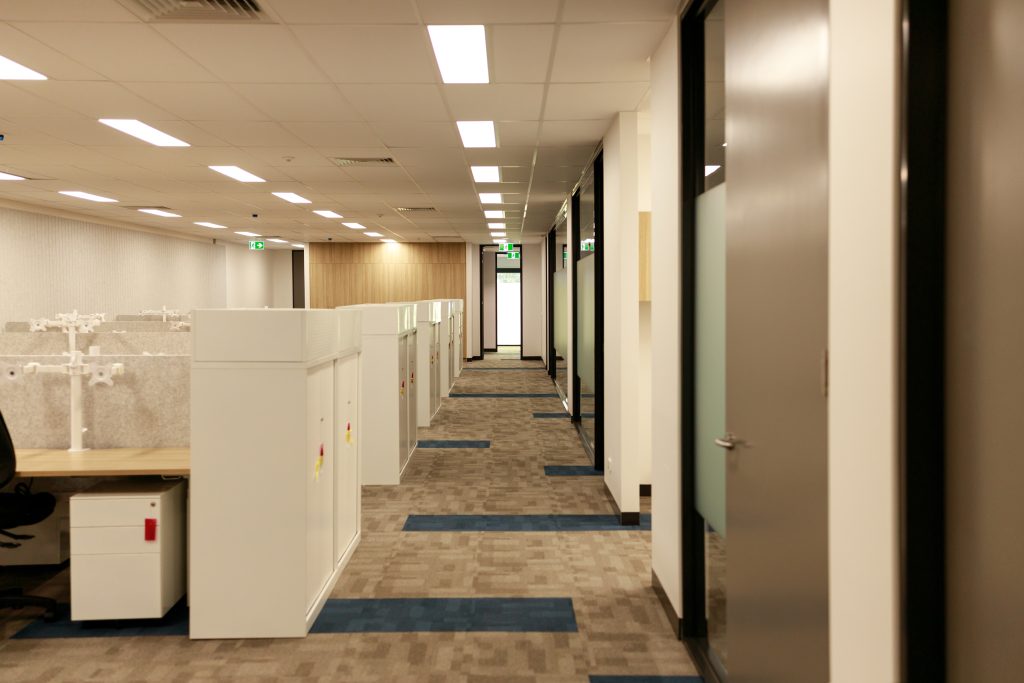
The Hidden Cost of Movement
Every extra step – by staff or patients – has a cost.
When diagnostic rooms are positioned too far from consult rooms, or when key spaces are separated by shared corridors, time is lost in ways that are hard to measure but easy to feel. Staff fatigue increases. Communication becomes more fragmented. Patients rely more heavily on guidance to navigate the space.
Reducing unnecessary movement doesn’t just save time, it simplifies the entire operation of the clinic.
Why “More Rooms” Doesn’t Always Mean More Capacity
It’s a common assumption: adding more consult rooms should increase throughput. But in practice, this only works if the rest of the clinic can support that increase.
If diagnostic areas become the limiting factor, additional consult rooms can actually create congestion rather than efficiency. The same applies if there isn’t enough space for reporting, or if staff are stretched trying to manage multiple disconnected areas.
Throughput improves when the entire system is balanced, not when one part is expanded in isolation.
Designing for Overlap, Not Sequence
High-performing cardiology clinics aren’t designed for one patient at a time, they’re designed for many patients moving through different stages simultaneously.
This might look like:
- A patient in consultation while another is mid-echo
- Results being reviewed while the next diagnostic is already underway
- Minimal idle time between each stage of care
Supporting this kind of overlap requires more than just space, it requires intentional zoning, visibility, and adjacency between functions.
When the Layout Supports the Team
It’s easy to focus on patient flow, but staff experience is just as critical.
When the layout allows for clear lines of sight, logical room placement, and easy communication, teams can anticipate what’s happening next rather than constantly reacting. That shift from reactive to proactive has a noticeable impact on both efficiency and workplace stress.
A Practical Way to Think About It
One useful question to ask when planning or reviewing a clinic is:
“Where does the day slow down?”
Is it at diagnostics? Between consult and testing? During reporting? At patient handover points?
More often than not, the answer can be traced back to how the space is organised.
Final Thoughts
Throughput isn’t just about seeing more patients, it’s about creating a clinic environment where care can be delivered smoothly, consistently, and without unnecessary strain on your team.
For cardiology practices in particular, where diagnostics, timing, and coordination all play a central role, design becomes a key part of performance.
If you’re thinking about opening a new clinic or improving an existing one, it can be valuable to explore how your space is either supporting or limiting the way you work.
We’re always open to a conversation, whether you’re still exploring ideas or ready to take the next step.