Two builders visit the same medical tenancy. Both discuss consultation rooms, reception and the intended opening date. Their quotes arrive with different totals. It is tempting to assume the gap describes the price of delivering the same clinic.
Sometimes it does. Sometimes the builders have priced different drawings, allowed for different finishes or made different assumptions about the existing services. Until those differences are understood, the lower total does not tell the whole story.
A useful comparison gives each builder the same reference point and makes the remaining differences visible. The aim is to understand what you would receive, what you would still need to arrange and which uncertainties could affect the eventual cost or timing.
Establish the version everyone has priced
Begin with the documents named in each offer. Check the drawing revision, room schedule, equipment information and any written instructions issued after the site visit. A changed reception detail or additional clinical room can create a scope difference even when the quotes carry the same project name.
If the information changed during pricing, ask each builder to confirm which version they used. Keep the response with the quote. Do not assume that a casual conversation has been incorporated into the written price simply because everyone remembers discussing it.
Also check the basis of the offer. An early estimate with unresolved design decisions serves a different purpose from a detailed offer for defined work. Ask what remains provisional and what further information is required. Describing an estimate as a quote does not remove the assumptions underneath it.
Compare the requested outcome item by item
Create a simple comparison with a row for each important part of the clinic. Start with the work the drawings and brief require, then record each builder’s response beside it. Useful headings include included work, excluded work, allowances, owner responsibilities and questions requiring clarification.
Consider a hypothetical consultation-room cabinet. One offer describes the cabinet dimensions, drawers, worktop and installation. Another simply lists a joinery allowance. A third assumes the existing cabinet will remain. Those entries may all be reasonable responses to the information received, but they are not the same proposal.
Ask the builders to price or clarify the agreed outcome before deciding whether there is a meaningful cost difference. Do not insert an invented adjustment into your comparison and treat it as a firm price. A written clarification from the party doing the work is a better basis for the decision.
Give allowances a clear meaning
An allowance keeps an unresolved item visible, but it needs context. Ask what quantity, product quality or extent of work it assumes. Establish how the eventual selection or completed work will affect the amount and where that mechanism is explained in the proposed agreement.
A modest allowance can make a total look attractive while leaving a substantial decision unresolved. Equally, a higher allowance may reflect a more complete assumption rather than an unnecessarily expensive approach. The number becomes useful when you can connect it to something specific.
Apply this thinking to clinical furniture, finishes and equipment connections where relevant. The practice team should understand which choices remain theirs to make and when they need to make them. That supports a realistic programme as well as a clearer cost comparison.
Find the boundary between suppliers
Medical fitouts often involve work from more than one provider. The builder may complete the room while an equipment supplier delivers and installs a device. An IT provider may supply hardware while another party completes the cabling.
For each boundary, ask who supplies, installs, connects, checks and coordinates the item. These responsibilities will vary by project. A statement that equipment is “by others” does not explain every part of the interface, and it should not be read as confirmation that another party has accepted the work.
Write down the named responsibility and seek confirmation from the relevant provider. This is especially important where a missing task could prevent a room from being used as intended. The comparison should reflect a complete agreed outcome, not several separate offers that leave the same gap between them.

Check what each quote assumes about the site
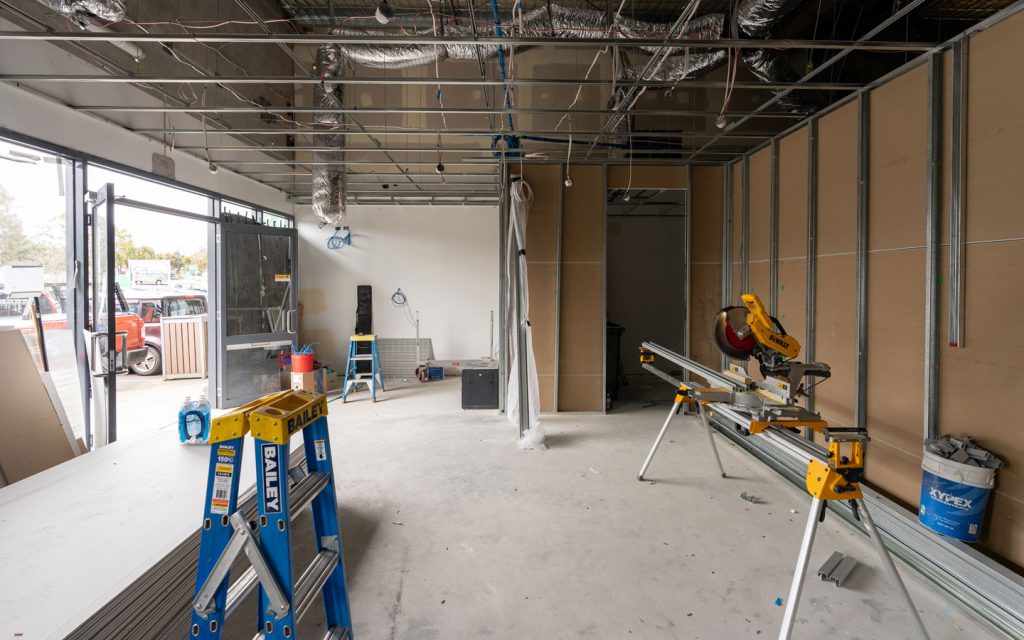
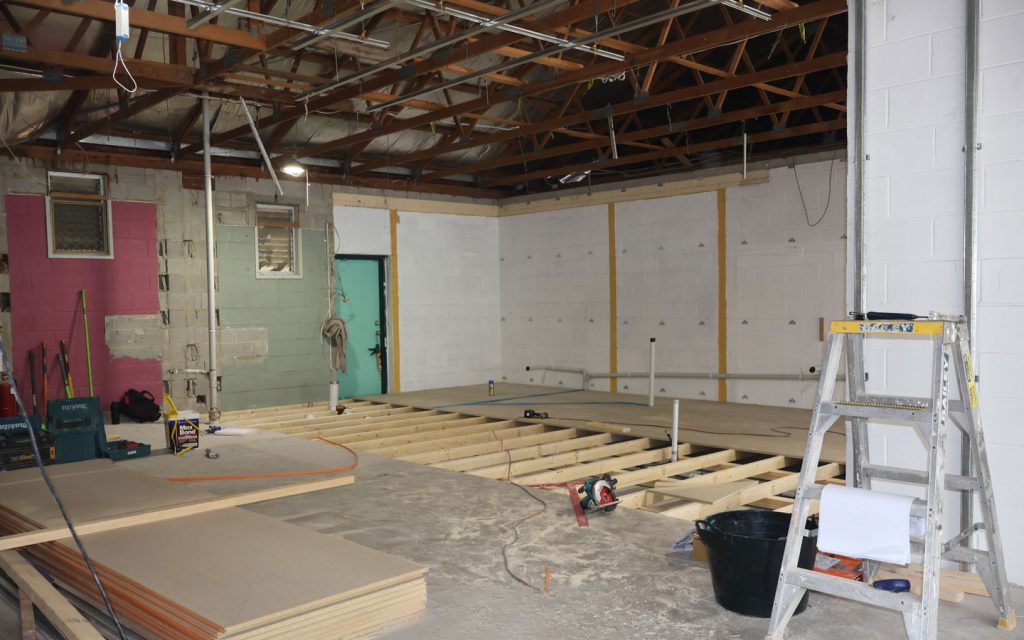
An offer may assume that existing services can be reused. Another may allow for an upgrade because capacity has not been confirmed. A third may exclude investigation altogether. The right next step is to resolve the uncertainty, rather than simply choose the cheapest assumption.
Ask what was inspected, what records were available and what further assessment is required. Keep confirmed information separate from a working assumption. Where a specialist assessment is needed, identify who will arrange it and how the resulting scope will be addressed.
For a clinic that continues operating during works, compare the same staging and access requirements. Working hours, separation of work areas, temporary arrangements and the sequence of handovers can change the task. A quote based on an empty site should not be compared casually with one based on maintaining part of a live practice.
Read time and payment alongside the price
A comparison also needs the proposed programme, offer validity and payment arrangements. Establish whether the timing relies on decisions, approvals, access or equipment information that the practice has not yet secured. A short construction duration is less useful if its starting conditions are missing.
Check the GST basis and whether optional items are included in the headline amount. Keep alternatives separate from the agreed base scope so that an optional upgrade does not make one offer appear more expensive for the same work.
Read the proposed agreement with appropriate professional advice before committing. The purpose of your comparison is to identify questions and understand the commercial proposal; it does not replace review of the actual contract or its allocation of risk.
Close the questions before ranking the offers
Once the main differences are visible, issue a concise clarification request. Refer to the same scope and ask each builder to identify any effect on price or timing. Record the date and keep the written response with the comparison, rather than relying on notes scattered across calls and emails.
Only then consider the revised offers alongside capability, communication and the delivery approach. Price remains important. It becomes much more useful when you know which work it buys and which decisions could still change it.
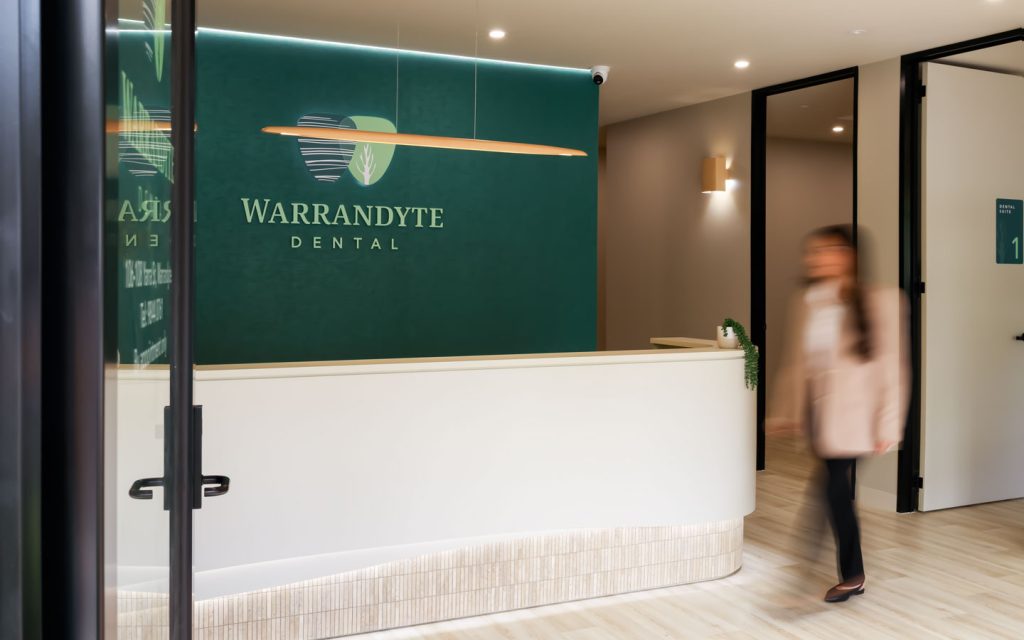
A comparable medical fitout quote supports a deliberate choice. It helps the owner protect the spaces and services the practice needs, while giving the builder a clear understanding of the outcome expected.